

Ever notice how your body feels better after it recovers from a tough workout, a brisk walk on a cold morning, or a long stretch between dinner and breakfast? In the moment, those things can feel uncomfortable. Later, you often feel stronger, clearer, and more capable.
That’s the surprising idea behind hormetic stress. In plain terms, it’s a small, short dose of stress that pushes your body just enough to adapt. The stressor is real, but it’s controlled. Then you recover. Over time, that cycle can make you more robust.
This post breaks down what hormesis is (and what it isn’t), how the body’s adaptive stress response works, and practical examples of hormetic stress you can try without turning your life upside down. You’ll also learn when to slow down, and who should be extra careful.
What hormetic stress is, and what it is not
Hormetic stress is “good stress for the body” in the same way that practice is good for a musician. It’s not the performance itself, it’s the repeated, manageable challenge that teaches the body to respond better next time.
If you’ve ever asked, “what is hormesis, really?”, here’s the simplest answer: a little stress can be helpful, a lot of the same stress can be harmful. The dose matters, and so does the timing.
A classic way to picture this is sunlight. A little sun helps your body make vitamin D and can boost mood. Too much sun burns your skin and raises long-term risk. Exercise works the same way. Some training signals your muscles and heart to adapt. Too much training with too little rest can break you down.
Hormetic stress is also different from punishing yourself. It’s not about grinding harder, suffering more, or proving toughness. It’s about choosing a challenge that is:
- Brief, not constant
- Planned, not chaotic
- Followed by recovery, not followed by more stress
Scientists describe hormesis as a dose response where low exposure can trigger positive effects, while high exposure can be harmful. If you want the formal definition and background, see Hormesis Defined (NCBI/PMC). For a general overview of the concept across biology and toxicology, Hormesis is a useful starting point.
The “Goldilocks zone”, why the right dose helps and too much hurts
Think of hormetic stress as a “just right” zone.
- Too little challenge, and your body has no reason to change. If you always lift the same light weights, your muscles stop improving. If you never get your heart rate up, your stamina stays the same.
- Just enough challenge, and your body gets a clear signal: “Build more capacity.” That’s where the benefits of hormetic stress show up, like improved strength, better endurance, and steadier energy.
- Too much challenge, and the signal turns into damage. This is where people run into overuse injuries, burnout, stalled progress, and feeling run down.
You’ve probably seen this in real life. A hard week at the gym can feel great if you sleep well and eat enough. The same hard week can feel terrible if it stacks on top of travel, poor sleep, and skipped meals.
Hormetic stress vs chronic stress, the difference comes down to recovery
Chronic stress is the kind that doesn’t let up. Work pressure that follows you home, doomscrolling late into the night, constant worry, nonstop training without rest. Your body stays on alert, and that’s the opposite of what you want.
Hormetic stress is different because it has an off switch. You do the hard thing, then you downshift. Recovery is part of the plan, not an afterthought.
A few common signs you’re not recovering well:
- You’re more irritable than usual, and small things set you off.
- Your sleep gets worse, even if you’re tired.
- You’re sore all the time, not just for a day or two after training.
- You get sick often or feel like you’re always fighting something.
If those are showing up, adding more “good stress” usually backfires. The smarter move is to lower the dose and protect recovery.
How hormesis strengthens the body (the adaptive stress response)
So what’s actually happening inside you?
When you apply a small stressor, your body reads it like a message: “Conditions got harder.” In response, it turns on protective systems, repairs small damage, and prepares you to handle that challenge better next time. This is the adaptive stress response, and it’s one reason humans can improve fitness, tolerate temperature shifts, and adjust to changes in food availability.
In everyday terms, hormesis is like a fire drill. The drill is disruptive, but it teaches the system what to do. Over time, you waste less energy panicking and you respond faster.
This is why the benefits of hormetic stress can show up in ways people actually notice:
- You can do the same workout with less effort.
- You feel more stable energy across the day.
- You bounce back faster after physical effort.
- Your confidence grows because you’ve practiced doing hard things safely.
It’s also why hormesis can support metabolic health. When muscles contract during exercise, they pull sugar out of the blood to use as fuel. When you go a bit longer between meals, your body practices switching from incoming food to stored energy. These aren’t magic tricks, they’re normal human functions that can improve with the right dose.
At the same time, hormesis is not a promise. It won’t “hack” your way around poor sleep, chronic stress, or a diet that leaves you under-fueled. The stressor is only one half of the equation. The other half is recovery.
Your cells flip on “repair mode”, cleanup, antioxidants, and better energy use
A short, controlled challenge nudges your body to do extra maintenance.
One part of that is cellular cleanup, often discussed as autophagy. Think of it as taking out the trash and recycling old parts. Your body does this all the time, but certain stressors can increase the signal to clean up and rebuild. When cleanup runs well, you often feel better energy and less “drag” after hard days.
Another part is your own antioxidant defenses. Antioxidants aren’t only something you eat. Your body also makes protective enzymes that help manage wear and tear. A manageable stressor can prompt the body to increase those defenses, kind of like upgrading a filter after you’ve seen what gets through.
Then there’s energy production. Your cells make energy in mitochondria, and they respond to demand. When you challenge your system and then recover, your body gets better at producing energy and using fuel. Many people feel this as improved stamina and a more steady mood, especially when the basics (sleep, food, rest days) are in place.
The key is that none of this comes from the stressor alone. It comes from stress plus repair. If you always skip the repair step, you’re not training adaptability, you’re training exhaustion.
Your brain and nervous system practice staying calm under pressure
Hormesis isn’t just physical. It can also shape how you handle stress day to day.
When you choose a controlled challenge, like a hard but reasonable workout, you’re teaching your nervous system that discomfort isn’t automatically danger. Over time, many people get better at staying calm while their heart rate is up, their breathing is heavy, or the situation feels demanding.
That’s where “hormesis and resilience” starts to feel real. You build trust in your ability to cope. You also get feedback. You learn what “challenged” feels like versus what “too much” feels like.
This isn’t a cure for anxiety or depression, and it’s not a replacement for therapy or medical care. But it can be a practical support tool. If you want a mental health focused explanation of the idea, Hormetic stress explained in simple terms is a helpful read.
Real-world examples of hormetic stress you can actually try
You don’t need extreme routines to get results. Most examples of hormetic stress look boring on paper, and that’s a good thing. The goal is repeatable, not dramatic.
A useful rule: start smaller than you think you need, then build slowly. Your body adapts best when the signal is clear and recovery is strong.
Here are practical options that fit real life, plus a simple starting point for each. Choose one to begin with, not all of them at once.
Exercise as good stress for the body (strength training, cardio, and intervals)
Exercise is the most proven, most accessible form of hormetic stress. You create a small, temporary hit to the body, then you rebuild stronger.
With strength training, you create tiny disruptions in muscle fibers and challenge your nervous system to coordinate force. Recovery (sleep, protein, rest days) is when the rebuild happens.
With cardio, you stress the heart, lungs, and blood vessels in a controlled way. Over time, you can move more air, pump blood more efficiently, and handle higher effort with less strain.
A beginner-friendly approach:
- Strength training: 2 to 3 full-body sessions per week. Stick to basics (squats or sit-to-stands, rows, presses, hinges, carries). Stop with 1 to 3 reps left in the tank most of the time.
- Cardio base: brisk walking 20 to 40 minutes, 3 to 5 days per week. You should be able to talk in short sentences.
- Short intervals (optional): once per week, try 4 rounds of 30 seconds faster effort, then 90 seconds easy. This can be on a bike, uphill walk, or rowing machine.
A simple rule that keeps people out of trouble: finish sessions feeling challenged, not crushed. If you need three days to feel normal again, the dose was too high for your current recovery.
Cold, heat, and fasting, small doses and smart limits
Beyond exercise, the most common “optional” hormetic tools are temperature shifts and short-term food timing changes. They can work, but they’re also easy to overdo. Treat them like seasoning, not the whole meal.
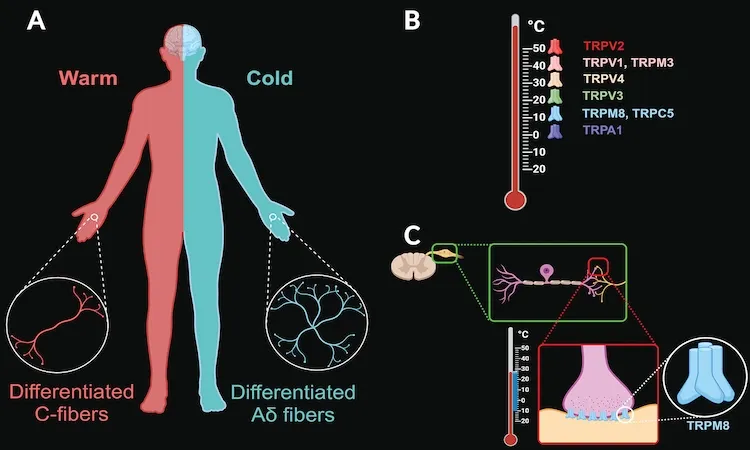
Cold exposure: You don’t need an ice bath to start. A practical option is ending a normal shower with 15 to 30 seconds of cool water, 2 to 4 times per week. Focus on calm breathing and staying relaxed in your face and shoulders. Build slowly.
Heat exposure: If you have access to a sauna, a modest start is 5 to 10 minutes at a comfortable temperature, 1 to 2 times per week, followed by normal cooling. Hydrate, and don’t treat dizziness as something to push through.
Time-restricted eating: Many people already do a mild overnight fast. You might try a 12-hour eating window (for example, 7:00 am to 7:00 pm) for a couple weeks and see how you feel. If that goes well, some people experiment with 13 to 14 hours overnight. The goal is not to white-knuckle hunger. It’s to find a pattern that supports steady energy and good sleep.
Smart limits matter here:
- Start short and increase slowly.
- Stop if you feel faint, shaky, or unwell.
- Don’t combine hard fasting with hard training days at first.
- Avoid extremes if you have a history of disordered eating.
If you want a broader lifestyle overview with more context, Hormesis and beneficial stress for healthy aging offers additional examples and framing.
Conclusion
Hormetic stress is simple when you strip it down: a short, manageable challenge followed by real recovery. That pattern teaches your body to adapt, which is why the benefits of hormetic stress can include better strength, steadier energy, and more confidence under pressure.
If you want to try it this week, keep it basic. Pick one stressor, make the dose small, and watch how you respond. Track your sleep, mood, and soreness for two weeks. Add rest days on purpose. If you feel run down, lower the dose instead of pushing harder.
Check in with a clinician before you try this if you’re pregnant, living with a long-term condition, or taking meds that change heat tolerance, blood pressure, or blood sugar. With a careful approach, hormetic stress supports bio longevity by building strength over time, through small challenges you can recover from.

Gas S. is a health writer who covers metabolic health, longevity science, and functional physiology. He breaks down research into clear, usable takeaways for long-term health and recovery. His work focuses on how the body works, progress tracking, and changes you can stick with. Every article is reviewed independently for accuracy and readability.
- Medical Disclaimer: This content is for education only. It doesn’t diagnose, treat, or replace medical care from a licensed professional. Read our full Medical Disclaimer here.