

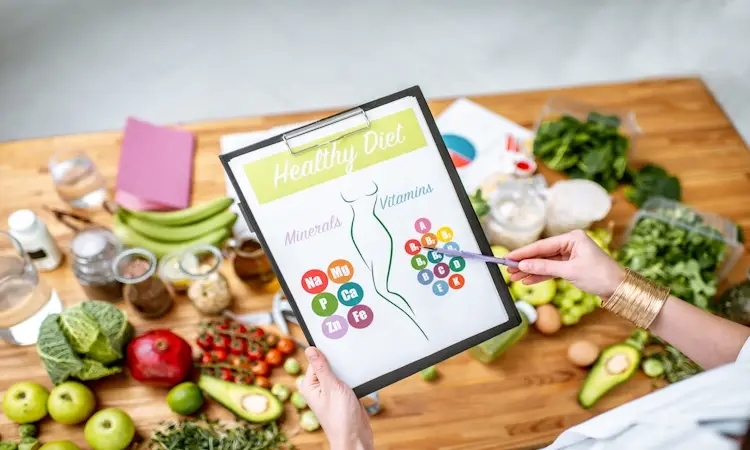
Ever feel like your stomach and your energy are in a tug-of-war? You eat “healthy,” yet you still get bloated, crash at 3 pm, and end up hunting for something sweet. That’s where gut-friendly metabolic eating can help.
In plain terms, it means choosing foods that support your gut microbes while also helping your body manage blood sugar, hunger, and energy. Think fewer spikes and dips, more steady fuel. People often try it to ease bloating, curb cravings, reduce energy crashes, and finally make progress with stubborn weight.
Below is a practical foods list you can mix and match. No strict rules, no perfect tracking. You’ll also get simple ways to use the list in real meals, even on busy days. This isn’t medical advice, and small changes tend to stick best, so start where you are.
What makes a food gut-friendly and metabolism-friendly?
Most of the “magic” is pretty basic. Your gut has trillions of microbes that react to what you eat. When you feed the helpful ones, they produce compounds that can support digestion and may help with appetite and blood sugar. That’s the microbiome and metabolism connection in everyday terms.
First, fiber and resistant starch matter because your body can’t fully break them down. Instead, your gut microbes get the job. Foods like beans, oats, and cooked then cooled potatoes act like steady, slow fuel for your gut. If you want a simple explainer, Harvard breaks it down well in this piece on how prebiotics support gut health.
Next, protein and healthy fats help you stay full. They slow digestion and can soften blood sugar swings, especially when you eat them with high-fiber plants. On the other hand, heavy added sugar (especially in drinks and snacks) tends to push cravings and energy dips.
Here’s a quick checklist you can remember for gut-friendly metabolic eating meals:
- Fiber (plants, beans, seeds, whole grains)
- Protein (animal or plant-based)
- Color (a mix of produce)
- Fermentation (if you tolerate it)
- Minimal added sugar (most days)
Probiotics vs prebiotics, and why you usually need both
A simple way to remember probiotics vs prebiotics is “seeds and fertilizer.” Probiotics are the live microbes (the seeds). Prebiotics are the fibers they eat (the fertilizer). You can eat fermented foods and still feel “off” if your overall diet is low in fiber.
That’s why gut-friendly metabolic eating works best as a pairing. Add fermented foods in small amounts, then back them up with a prebiotic foods list style of eating (beans, oats, onions, asparagus, slightly green bananas, and cooled starches). The American Society for Nutrition highlights common options in its overview of foods rich in prebiotics.
One more thing: tolerance varies. Kefir might feel great for your friend and not for you. That’s normal, not a failure.
How to avoid bloating when you add more fiber
If you’ve dealt with bloating after fiber increase, you’re not imagining it. When gut microbes ferment fiber, gas can rise for a while, especially if you jump from low fiber to very high fiber overnight.
Go slower than you think you need to. Add one new high-fiber food every few days, not five in one day. Drink water, because fiber needs fluid to move well. Also, cooked veggies often feel gentler than raw salads at first. Finally, spread fiber across meals, so your gut doesn’t get hit with a “fiber bomb” at dinner.
A good rule: build tolerance first, then build quantity. Your gut usually catches up.
If onions, beans, or certain grains trigger you, adjust portions or swap the type of fiber. You’re still moving in the right direction.
Gut-friendly metabolic eating foods list (the ones that do the most work)
This gut-friendly metabolic eating foods list focuses on foods that pull double duty: they support gut comfort and help you feel satisfied with steadier energy. Pick a few from each group and rotate them through the week.
High-fiber plants that feed your gut microbes (prebiotic foods list)
These foods feed your microbes and tend to help with fullness. They also make meals feel more “anchored,” instead of snacky.
- Beans (black, pinto, kidney): Prebiotic fiber plus plant protein. Try them in tacos or a quick chili.
- Lentils: Cook fast and feel gentle for many people. Add to soup or mix into pasta sauce.
- Chickpeas: Fiber-rich and versatile. Roast for a crunchy topping or blend into hummus.
- Oats (old-fashioned): A steady breakfast base. Stir into yogurt or make overnight oats.
- Barley: Chewy, filling, and high in fiber. Use in soups or grain bowls.
- Onions, garlic, leeks: Small amounts can go far. Sauté into eggs or add to roasted veggies.
- Asparagus: A classic prebiotic veggie. Roast with olive oil and salt.
- Slightly green bananas: More resistant starch than very ripe ones. Slice into oatmeal or blend into a smoothie.
- Chia seeds and ground flax: Easy fiber boost. Mix into yogurt, oatmeal, or a quick pudding.
- Cooked then cooled potatoes or rice: Cooling increases resistant starch. Make a potato salad with Greek yogurt, or use cooled rice in a salmon bowl.
If gas is an issue, rinse canned beans well, start with 1/4 cup, and build from there. Your gut often adapts.
Fermented foods for gut health (plus kimchi sauerkraut benefits)
Fermented foods can add live microbes and fermentation byproducts that some people find helpful for digestion. Keep portions modest at first, especially if you’re sensitive.
- Yogurt with live cultures: An easy daily option. Choose plain, then add berries.
- Kefir: Drinkable and usually tangy. Add to smoothies or pour over oats.
- Kimchi: Spicy and punchy. Add a forkful to rice bowls or eggs.
- Sauerkraut: Simple, sour, and crunchy. Top avocado toast or a turkey sandwich.
- Miso: Salty, savory paste. Whisk into warm (not boiling) broth for soup.
- Tempeh: Fermented soy with a firm bite. Crumble into tacos or stir-fry.
- Kombucha (lower sugar): Treat it like a small add-on, not a soda replacement. Check the label.
- Fermented pickles (in brine): Look for “fermented” and “refrigerated,” not vinegar-only.
The kimchi sauerkraut benefits are pretty straightforward: they can add helpful bacteria and may support digestion for some people. Still, they can be salty, so think “side dish,” not “main event.” For more background, Cleveland Clinic explains reasons to include fermented foods in your diet. Also check labels for “live active cultures,” and avoid heat-treated versions when possible.
Protein and healthy fats that keep you full and support steady blood sugar
Protein and fat are the “brakes” that slow a meal down. They can reduce the urge to snack an hour later, which is a big win for gut-friendly metabolic eating.
Good protein picks:
- Eggs
- Salmon
- Sardines
- Chicken or turkey
- Tofu
- Tempeh
- Greek yogurt
- Cottage cheese
- Edamame
- Beans and lentils
Healthy fats to rotate in:
- Olive oil
- Avocado
- Nuts (walnuts, almonds, pistachios)
- Seeds (chia, hemp, pumpkin)
- Nut butters
A simple “balanced plate” formula is protein plus a fiber plant plus a healthy fat. Two quick examples:
- Greek yogurt + berries + chia + walnuts
- Salmon + cooled rice + roasted broccoli + olive oil
If you want more context on fermented options like kefir and kimchi, Cedars-Sinai shares a helpful overview of benefits of fermented foods.
Low-sugar, high-nutrient carbs and veggies that work with your metabolism
Carbs aren’t the enemy. The type and the “packaging” matter. Fiber-rich carbs tend to digest slower and feel more stable.
- Leafy greens (spinach, kale, romaine): Add to omelets, soups, or salads.
- Broccoli and cauliflower: Roast, sauté, or blend into soups.
- Bell peppers: Crunchy and sweet. Eat raw with hummus or roast them.
- Zucchini: Quick in stir-fries or sheet-pan meals.
- Tomatoes: Fresh or canned, both work. Add to eggs, salads, and sauces.
- Carrots: Great roasted, shredded, or in soups.
- Berries: Often easier on blood sugar than many sweets. Add to yogurt or oats.
- Citrus (oranges, grapefruit): Pair with nuts for a steadier snack.
- Sweet potatoes: Keep portions reasonable, then add protein and fat.
- Quinoa or buckwheat: Higher protein than many grains. Use as a bowl base.
- Whole grain sourdough (if tolerated): Top with avocado and eggs, or turkey and kraut.
Cooking can improve tolerance. Roasting, sautéing, and soups often feel easier than raw piles of veggies. Also, aim for mostly unsweetened versions of yogurt, cereal, and drinks to keep added sugar down.
How to turn the list into real meals you will actually stick with
A foods list only helps if it turns into Tuesday dinner. The easiest way to make gut-friendly metabolic eating feel automatic is to use repeatable templates and small swaps.
Start with your usual meals, then upgrade one part. For example, switch white rice to cooled rice sometimes, add lentils to a soup you already like, or keep plain Greek yogurt instead of flavored. Shopping gets easier when you keep a short “core” list: one bean, one grain, two proteins, two fruits, and three veggies each week.
Here’s a simple one-day example menu (adjust portions to your needs):
- Breakfast: Greek yogurt, berries, chia, and a sprinkle of walnuts
- Lunch: Lentil soup plus a side salad with olive oil and lemon
- Snack: Apple with peanut butter
- Dinner: Salmon bowl with cooled rice, roasted broccoli, and a forkful of kimchi
If you’re increasing fiber, keep your pace gentle. Health.com offers practical tips on boosting fiber without bloating.
The easy plate method for gut-friendly metabolic eating
Use this visual guide for gut-friendly metabolic eating meals:
Half the plate is non-starchy veggies. Add a palm of protein. Include a fist of high-fiber carbs (or fruit). Finish with a thumb of healthy fat. If tolerated, add a small fermented “side” a few times per week.
Portions and timing vary, so use this as a guide, not a test you can fail.
If mornings are rushed, put the template into breakfast instead. Yogurt plus berries plus chia hits the same idea.
Quick meal and snack ideas for busy days
These are fast, repeatable combos that use the foods above:
- Greek yogurt + berries + chia
- Oats + kefir + cinnamon
- Lentil soup + side salad
- Salmon bowl with cooled rice + veggies
- Tofu stir-fry with broccoli and peppers
- Eggs with sautéed greens and onions (if tolerated)
- Bean chili with avocado
- Avocado toast on whole grain sourdough + sauerkraut
- Apple + peanut butter
- Hummus + carrots and cucumber
One easy meal prep move: cook a batch of lentils or quinoa, wash greens, and chop a couple veggies. Then dinner is mostly assembly.
Conclusion
Gut-friendly metabolic eating comes down to a simple idea: feed your microbiome, balance blood sugar, and build meals that keep you satisfied. You don’t need a full diet reset to feel a difference.
This week, choose two prebiotic foods and one fermented option for metabolic eating, then have them again a few times.Increase fiber slowly, and notice how your stomach, cravings, and energy respond. If you have IBS, IBD, take diabetes meds, or you’re dealing with major symptoms, talk with a clinician for personal guidance. Small, steady choices are how gut-friendly metabolic eating becomes your normal.

Gas S. is a health writer who covers metabolic health, longevity science, and functional physiology. He breaks down research into clear, usable takeaways for long-term health and recovery. His work focuses on how the body works, progress tracking, and changes you can stick with. Every article is reviewed independently for accuracy and readability.
- Medical Disclaimer: This content is for education only. It doesn’t diagnose, treat, or replace medical care from a licensed professional. Read our full Medical Disclaimer here.