

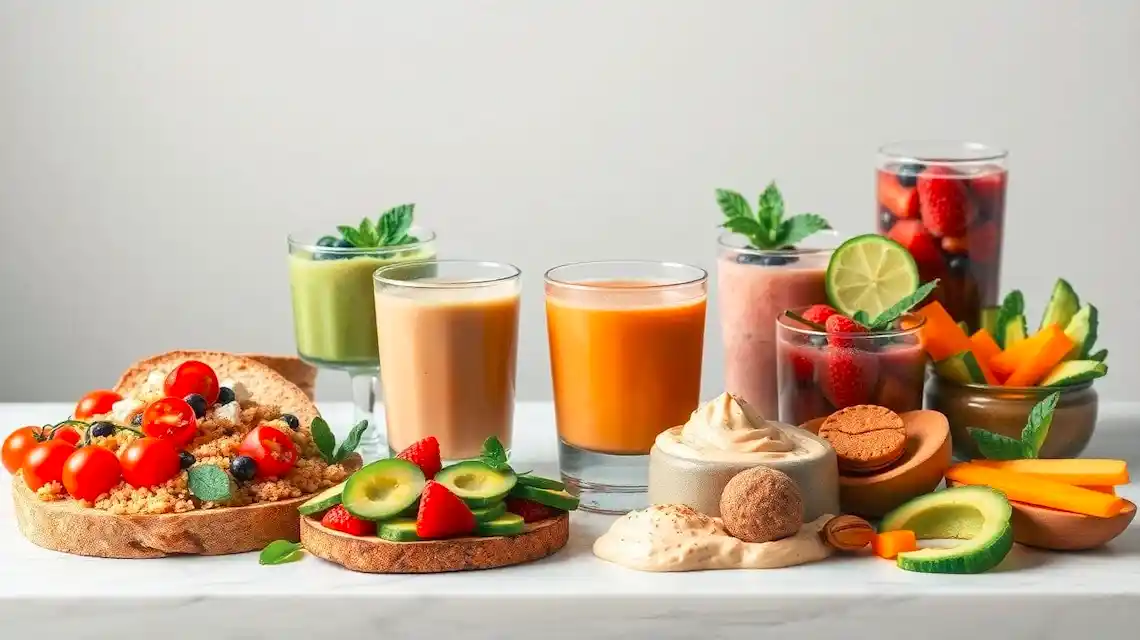
Looking for gluten free food options that are easy and satisfying? Whether you have celiac disease, gluten sensitivity, or you just feel better avoiding gluten, this guide shows you what to eat, what to skip, and how to keep meals simple. You will find safe foods, smart swaps, and friendly tips for eating at home, at restaurants, and on the road.
Gluten free living does not have to be stressful. With a few habits and the right pantry, you can enjoy real food, save money, and still keep variety on your plate. Let’s make this feel doable, one meal at a time.
Gluten free food options 101: what to eat, what to avoid, and how to start
You do not need fancy products to eat well without gluten. Start with whole foods you know, then layer in a few reliable packaged items.
- What to eat: whole foods like fruit, vegetables, eggs, plain meat, seafood, beans, rice, corn, potatoes, and quinoa.
- What to avoid: wheat, barley, rye, and foods made from them, like bread, pasta, cereal, and beer.
- Oats: choose oats that are clearly labeled certified gluten free.
- Cross contact: keep crumbs away from gluten free foods. Use separate tools and clean surfaces often.
Quick start steps:
- Clean your prep space, cutting boards, and utensils before cooking.
- Pick one gluten free grain, like rice or potatoes, for the week’s meals.
- Stock one trusted sauce, like tamari, instead of soy sauce with wheat.
- Keep a short list of safe snacks in the car or bag.
Want a clear medical overview of who needs a gluten free diet and why? See the Mayo Clinic guide to a gluten-free diet and Johns Hopkins’ summary, Gluten-Free Diet: Is It Right for Me?. These explain how gluten affects the body and who benefits from avoiding it.
What is gluten and who needs a gluten free diet?
Gluten is a protein found in wheat, barley, and rye. People with celiac disease must avoid gluten to protect the small intestine. Others may have non-celiac gluten sensitivity, which causes symptoms without autoimmune damage. Some have a wheat allergy, which is different and involves the immune system reacting to wheat proteins.
Always-safe gluten free foods you can trust
Build meals around naturally gluten free food:
- Fruits and vegetables
- Eggs
- Plain meat, poultry, and seafood
- Beans and lentils
- Nuts and seeds
- Dairy, if tolerated
- Rice, corn, quinoa, potatoes, and sweet potatoes
Fast meal ideas:
- Veggie and chicken rice bowl with avocado and salsa.
- Baked salmon, roasted potatoes, and green beans with olive oil and lemon.
Foods that often hide gluten and how to spot them
Common sources:
- Bread, pasta, flour, cereal, crackers, cakes, and cookies
- Soy sauce with wheat, malt, beer, and seitan
- Some soups and sauces, gravy, and breaded items
Oats can be cross contaminated, so choose certified gluten free oats. Scan ingredient lists for wheat, barley, rye, malt, and brewer’s yeast. Look closely at sauces, spice blends, and processed meats.
Tip: when scanning labels, check the allergen statement and the full ingredient list. Watch for barley and malt in cereals and snacks.
Cross contact at home: simple rules to stay safe
- Use a separate toaster or toaster bags for gluten free bread.
- Keep different cutting boards and colanders for gluten free foods.
- Wipe counters and wash hands before cooking.
- Choose squeeze bottles for condiments to avoid crumb transfer.
- Label shared items and store gluten free foods on top shelves.
For a practical view on who needs strict avoidance and who might not, the Mayo Clinic Health System covers it in Do you need to say goodbye to gluten?
Easy gluten free food options for every meal at home
You can keep meals fast, colorful, and kid-friendly. Aim for a protein, a fiber-rich carb, and at least one bright fruit or vegetable. Use certified gluten free oats instead of regular oats. Swap soy sauce for tamari.
Quick gluten free breakfasts that keep you full
- Eggs with crispy potatoes and spinach
- Certified gluten free oatmeal with berries and peanut butter
- Yogurt parfait with nuts, seeds, and honey
- Smoothie with milk or a dairy-free base, banana, and chia
- Chia pudding with almond milk and sliced peaches
- Cottage cheese with pineapple and gluten free granola
- Corn tortillas with scrambled eggs and salsa
Simple gluten free lunches for school or work
- Rice bowl with chicken, peppers, and guacamole
- Lettuce wraps with tuna, pickles, and mustard
- Quinoa salad with beans, tomatoes, and avocado
- Baked potato topped with beef or turkey chili
- Soup and salad combo, check labels for gluten free soup
- Sushi bowl with rice, cucumbers, salmon, and tamari
- Leftover protein over greens with roasted sweet potatoes
Family friendly gluten free dinners everyone will eat
- Tacos with corn tortillas, shredded chicken, and slaw
- Stir-fry with veggies, rice, and tamari
- Sheet pan chicken thighs with carrots and potatoes
- Salmon with roasted potatoes and asparagus
- Gluten free pasta with meat sauce and a green salad
- Chili with gluten free cornbread
- Fried rice with eggs, peas, and scallions
Healthy gluten free snacks and sweet treats
- Apple slices with peanut butter
- Popcorn with olive oil and sea salt
- Trail mix with nuts, seeds, and dark chocolate chips
- Hummus with carrots and cucumbers
- Cheese with gluten free crackers
- Rice cakes with avocado and lime
- Yogurt with honey and cinnamon
- Dark chocolate squares
- Energy balls with certified gluten free oats
- Roasted chickpeas with smoked paprika
Smart gluten free swaps and shopping tips that save money
You do not need a cart full of specialty foods. Focus on whole ingredients, a few quality staples, and a short list of go-to brands.
- Choose whole foods first, then add gluten free breads or snacks as treats.
- Buy rice, beans, and potatoes in bulk for cheaper meals.
- Check store brands, many have solid gluten free lines.
- Stock the freezer with veggies, fruit, and fish during sales.
- Use a 1-to-1 gluten free flour blend for easy baking swaps.
- Keep tamari, broth labeled gluten free, and a few spice blends on hand.
Best gluten free grains and flours to use in cooking and baking
Here is a handy guide to grains and flours, plus how they behave in recipes.
| Grain or Flour | Texture or Role | Best Uses |
|---|---|---|
| Rice (white, brown) | Neutral, soft to chewy | Bowls, sides, porridge, sushi rice |
| Corn (meal, grits, polenta) | Slightly sweet, coarse to creamy | Cornbread, polenta, breakfast grits |
| Quinoa | Nutty, fluffy | Salads, bowls, warm sides |
| Buckwheat | Earthy, hearty | Pancakes, soba-style dishes (check labels) |
| Millet | Mild, slightly sweet | Pilafs, porridge, veggie burgers |
| Sorghum | Light, tender when milled | Baking blends, flatbreads |
| Teff | Tiny grain, slightly malty | Porridge, injera-style flatbreads |
| Certified GF oats | Chewy, creamy when cooked | Oatmeal, granola, energy bites |
| 1-to-1 GF flour blend | Balanced, all-purpose swap | Cookies, muffins, quick breads |
| Almond flour | Rich, tender crumb | Cakes, cookies, crusts |
| Coconut flour | Very absorbent, dense | Small additions to batters, pancakes |
| Chickpea flour | Savory, sturdy | Socca, fritters, thickening soups |
| Potato starch | Light, crisping agent | Breading, baking lift |
| Tapioca starch | Chewy, binding | Flatbreads, thickening, baking elasticity |
How to read labels and find real gluten free certification
Certification seals signal third-party testing. An allergen statement is helpful, but it is not the same as certification. Wheat-free does not always mean gluten free, since barley and rye could still be present.
Fast label scan:
- Check for a Certified Gluten-Free logo.
- Scan for wheat, barley, rye, malt, and brewer’s yeast.
- Review sauce bases, seasonings, and flavorings.
- When in doubt, choose another product.
For a plain-language medical overview of why strict avoidance matters for celiac disease, see Gluten-free diet at Mayo Clinic. For a second perspective, Johns Hopkins’ Gluten-Free Diet: Is It Right for Me? covers common questions.
Budget tips for gluten free shopping without stress
- Focus on naturally gluten free staples, like rice, potatoes, eggs, and beans.
- Shop sales and use the freezer aisle for produce and fish.
- Buy rice, oats labeled gluten free, and beans in bulk.
- Try store-brand gluten free pasta, bread, and tortillas.
- Cook once, then repurpose leftovers into bowls and salads.
- Limit pricey specialty snacks and bake simple treats at home.
Build a gluten free pantry: staples to keep on hand
- Rice, quinoa, corn tortillas
- Canned beans, canned tomatoes, tuna
- Broth labeled gluten free
- Eggs and frozen veggies
- Spices labeled gluten free
- Olive oil, vinegar, and tamari
- Nut butters and seeds
- Gluten free pasta
- 1-to-1 gluten free flour blend
Eating out and travel: safe gluten free food options on the go
Eating out can feel tricky, but a few questions and clear choices make it easier. Call ahead when you can. At the table, ask short, direct questions. Avoid shared fryers, since crumbs can carry gluten.
Restaurant script:
- “Do you have a gluten free menu or label gluten free items?”
- “Is there a dedicated prep area and clean cookware?”
- “Are the sauces or marinades gluten free?”
- “Are the fries cooked in a dedicated fryer without breaded items?”
Pack simple snacks for travel days. Keep a backup meal, like rice cups and tuna, so you never feel stuck.
How to order gluten free at restaurants with confidence
Choose plain grilled items with simple sides. Good picks are grilled chicken or fish with vegetables and rice. Say, “Please no breading, and no flour or soy sauce in the sauce.” Ask for fresh lemon, olive oil, or plain butter for flavor.
Confirm the fryer status. If fries share a fryer with breaded foods, skip them. Ask about separate utensils and clean grill space.
Fast food and chain choices that can work gluten free
Use consistent strategies:
- Lettuce-wrapped burgers with cheese and safe sauce
- Burrito bowls without a flour tortilla
- Salads without croutons, check dressings
- Fries only if the fryer is dedicated
- Rotisserie chicken if the seasoning mix is gluten free
Check each chain’s allergen and ingredient page before you go. Policies vary by location.
Travel and road trip snacks that are easy to pack
- Nut packs and trail mix
- Fresh fruit and baby carrots
- Jerky labeled gluten free
- Yogurt and cheese sticks
- Rice cakes and gluten free crackers
- Microwave rice cups
- Shelf-stable tuna and olive packs
Hotel tip: request a room with a fridge and microwave. Use sealed containers and wipes for quick prep. Airport tip: pack shelf-stable snacks and look for yogurt, fruit cups, and salads without croutons.
Parties, potlucks, and school lunches without gluten
- Bring one safe dish to share that becomes your main.
- Serve yourself first to avoid crumbs in shared bowls.
- Use separate serving spoons and label your dish.
- Pack bento-style lunches with protein, produce, and a carb.
- Communicate needs politely with hosts or schools.
If friends ask what is safe, offer a short list: rice-based dishes, plain grilled meat, roasted vegetables, and fruit platters.
Conclusion
Gluten free food options can be simple, affordable, and tasty when you focus on whole foods, smart swaps, and a bit of planning. Start small, pick one swap and one meal idea from this guide, and try them this week. Keep reading labels, watch for cross contact, and build a pantry that works for you. Save this guide, share it with someone who needs it, and come back when you want fresh ideas. You have the tools to eat well and feel better without the stress.
Related post:
- High Protein Meal Prep Ideas for the Week
- How to Cook Basmati Rice on Stove
- The Reality of Your Calories in Food
Gluten Free Food Options FAQ:
What foods are naturally gluten free?
Fresh meat, fish, eggs, dairy, fruits, and vegetables are gluten free. So are legumes, nuts, seeds, potatoes, and most plain rice. Check for added sauces or seasonings.
Which grains are safe?
Choose rice, quinoa, buckwheat, millet, sorghum, teff, and certified gluten-free oats. Avoid wheat, barley, rye, and triticale.
What exactly is gluten?
Gluten is a group of proteins in wheat, barley, rye, and hybrids. It gives dough its stretch. It can trigger symptoms in people with celiac disease or gluten sensitivity.
What’s the difference between celiac disease and gluten sensitivity?
Celiac disease is an autoimmune condition. Even small amounts cause damage to the small intestine. Non-celiac gluten sensitivity causes symptoms but not intestinal damage.
How do I spot gluten on labels?
Look for wheat, barley, rye, malt, and brewer’s yeast. The FDA gluten-free label means under 20 parts per million. When in doubt, contact the brand.
Are oats safe?
Only if labeled gluten free. Oats often get contaminated during farming or processing. Start with small amounts and see how you feel.
What are common hidden sources of gluten?
Soy sauce, malt vinegar, seasoning mixes, soup bases, gravies, surimi, seitan, and some veggie burgers. Watch for beer, malt extracts, and some candies.
Which condiments and sauces are usually safe?
Ketchup, mustard, mayo, and salsa are often safe if labeled gluten free. Use tamari or coconut aminos instead of regular soy sauce. Avoid malt vinegar.
Is alcohol gluten free?
Wine, hard cider labeled gluten free, and distilled spirits are gluten free. Regular beer contains barley. Choose gluten-free beer made from rice, sorghum, or millet.
Are fries and chips safe at restaurants?
Only if cooked in a dedicated fryer. Shared fryers contaminate fries, chips, and wings. Ask if the fryer is used for breaded foods.
How can I avoid cross-contact at home?
Use separate toasters, colanders, and cutting boards. Keep gluten-free butter and condiments separate. Wipe counters, wash hands, and use clean utensils.
What should I ask when dining out?
Ask about a gluten-free menu, prep area, and dedicated fryer. Request clean pans and utensils. Confirm buns, soy sauce, and seasoning blends.
How do I eat gluten free on a budget?
Focus on whole foods like rice, beans, eggs, potatoes, and seasonal produce. Buy staples in bulk. Cook once, eat twice. Skip pricey specialty snacks.
Can I meet my nutrient needs without gluten?
Yes. Aim for fiber from oats, quinoa, beans, lentils, seeds, and veggies. Get iron from meat, legumes, and greens. Add dairy or fortified options for calcium and vitamin D.
What should I keep in my pantry?
Rice, quinoa, certified gluten-free oats, canned beans, tomatoes, tuna, broth, olive oil, spices, nut butter, and shelf-stable tortillas or crackers labeled gluten free.
How do I bake gluten free without dense results?
Use a quality gluten-free flour blend with xanthan gum or psyllium. Weigh your flour. Add moisture with eggs, yogurt, or apple sauce. Let batters rest before baking.
Are all “gluten-free” claims trustworthy?
Look for certification seals like GFCO for extra assurance. Store brands can be fine too. Read labels each time since recipes can change.
Do medications or supplements contain gluten?
Some can. Ask your pharmacist and check the inactive ingredients. Many brands provide gluten statements on their websites.
What are quick gluten-free meal ideas?
Eggs with sautéed veggies, rice bowls with chicken and beans, baked potatoes with toppings, salmon with quinoa, or a chickpea salad.
What are easy gluten-free snacks?
Greek yogurt, fruit, nuts, cheese sticks, popcorn, hummus with veggies, or rice cakes with peanut butter. Keep a bar labeled gluten free in your bag.
Is sourdough bread safe?
Not unless it is made with gluten-free flour and labeled gluten free. Fermentation does not remove enough gluten from wheat sourdough.
Can kids thrive on a gluten-free diet?
Yes. Offer balanced meals with protein, healthy fats, fruits, veggies, and safe grains. Include snacks rich in fiber and iron. Track growth with your pediatrician.
What about school lunches and parties?
Pack simple options like roll-ups in corn tortillas, rice bowls, or pasta made from brown rice. Share safe treats with teachers for events.
How do I travel while eating gluten free?
Carry snacks, research restaurants, and call hotels about breakfast. Use translation cards if needed. Pack a small cutting board and a travel toaster bag.
Are plant-based meat alternatives safe?
Some are. Many contain wheat or barley-based flavorings. Check labels for gluten-free certification and watch for malt or brewer’s yeast.
What sauces thickeners are safe?
Use cornstarch, arrowroot, potato starch, or rice flour. Skip roux made with wheat flour unless the recipe uses a gluten-free flour blend.
Can I trust restaurant “gluten-free” pizza?
Ask if they use a separate prep area, screens, and cutters. Flour in the air can contaminate pies made on shared surfaces.
Do I need special cookware?
Not always. Avoid scratched nonstick shared with gluten. Use separate wooden spoons and cutting boards. Silicone and stainless steel clean well.
How do I get more fiber on a gluten-free diet?
Eat beans, lentils, chia seeds, flax, berries, veggies, and certified gluten-free oats. Choose brown rice and quinoa over refined options.
What should I know about breakfast?
Try omelets, yogurt parfaits, smoothies, certified gluten-free oats, or chia pudding. Check sausage and bacon labels for fillers and flavorings.
Any tips for building a weekly plan?
Pick 3 dinner recipes, double one for leftovers, and prep grains and roasted veggies on Sunday. Keep a list of go-to gluten-free brands you trust.
 Health Benefit of Sesame Seed
  Healthiest Breakfast Cereal for Children
  Vegan Oil Free Mayonnaise Recipe
  Nutrition to Enhance Athletic Performance
  Tasty Healthy Low Cost Meals Recipes
  How to Cook Delicious Spaghetti at Home