

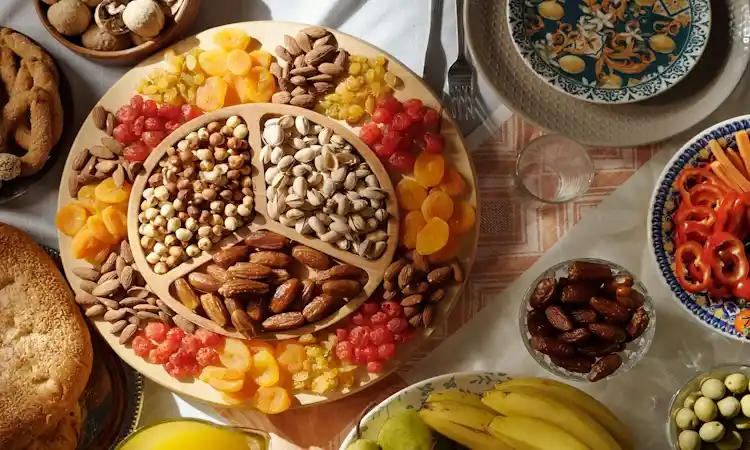
If “eat more fiber” sounds simple, why does it feel hard in real life? Part of the problem is that many people chase a single high-fiber food (or a supplement) and call it done. Fiber diversity means something else: eating many different plant foods across the week, so you get a wider mix of fibers, textures, and starches.
That mix can support metabolism in practical ways. It can help you feel full longer, keep energy steadier after meals, and support a gut that works with you, not against you. A well-built fiber diversity meal isn’t about perfect tracking, it’s about variety you can repeat.
The goal for many adults is to work up to about 30 grams fiber per day, but slowly. Think of this as training, not a test. Your gut will adapt, and your meals will get easier.
Why fiber diversity helps your metabolism (and why one “high fiber” food is not enough)
Metabolism isn’t just “burning calories.” It’s also how your body handles blood sugar, how hungry you feel after you eat, and how efficiently you use energy. Fiber connects to all of that, but the type matters.
A single fiber diversity meal can include different fibers that act in different ways:
Before we go further, here’s a simple cheat sheet on common gut health fiber types.
| Fiber type | What it does (plain English) | Common foods |
|---|---|---|
| Soluble fiber | Forms a gel, slows digestion, supports fiber and blood sugar control | Oats, beans, apples, citrus |
| Insoluble fiber | Adds bulk, helps stool move | Wheat bran, leafy greens, skins of fruits and veggies |
| Resistant starch | Acts like fiber, feeds gut microbes | Cooled potatoes or rice, green bananas, lentils |
The takeaway: mixing these is often easier on your body than loading up on one source. Plus, different fibers feed different gut microbes. That’s why two meals with the same fiber grams can feel very different.
If you want an evidence-based deep dive on how fiber properties differ (like fermentability and viscosity), see this dietary fiber guide. For this article, we’ll keep it practical.
The gut microbes angle: more plants, more helpful byproducts
Your gut is home to trillions of microbes. They don’t all like the same food. When you eat a range of plant fibers, you support a broader mix of helpful microbes. In return, they produce short-chain fatty acids, which may support how the body uses energy and how it balances inflammation.
Research reviews also discuss how the plant “cell matrix” and fiber structure shape these effects. For background, this NCBI overview on intrinsic fibers and the gut microbiome is a useful starting point.
Here’s the “same grams, different results” idea in real life:
- Oatmeal brings soluble fiber that can feel soothing and steady.
- Beans bring fermentable fibers plus resistant starch, which can be more filling, but also more gassy at first.
- Berries bring fiber with polyphenols, which microbes also react to.
So, even if each option adds similar fiber numbers, your body may respond differently. A fiber diversity meal spreads the benefits around, and it often feels more satisfying.
Steadier blood sugar and fewer cravings
Fiber slows how fast carbs leave your stomach and enter your blood. That supports fiber and blood sugar control, which matters for energy, mood, and late-day snack attacks. When your blood sugar spikes and drops fast, cravings tend to get louder.
A simple rule helps: pair carbs with protein and fiber. For example, try a turkey and hummus wrap in a whole-grain tortilla with a side of berries. That combo behaves very differently than a plain bagel.
If you like seeing meal patterns built for blood sugar support, EatingWell has a practical example in this 7-day high-fiber meal plan for insulin resistance. Use it for ideas, then make it your own.
If your meals feel like a roller coaster, add one “brake” at a time: fiber, protein, or healthy fat. You don’t need all three perfectly.
Build your fiber baseline first: how to increase fiber slowly without stomach drama
A common mistake is going from low fiber to “bean salad every day” overnight. Your gut notices, and it usually complains. The fix is simple: how to increase fiber slowly and consistently, while keeping hydration and meal timing steady.
Start by adding about 3 to 5 grams of fiber per day every few days. That might be one piece of fruit, a half-cup of beans, or a swap from white bread to whole grain. Give your gut time to adjust before you add another change.
Also, spread fiber across the day. A fiber diversity meal at dinner won’t feel great if breakfast and lunch were low-fiber, then you suddenly drop 15 grams at night. Think “little and often.”
Hydration matters, too. Fiber holds water. If your water intake stays low, constipation becomes more likely as fiber rises. Keep it boring: drink water with each meal and snack, and add more if you sweat a lot.
A simple 2 week ramp up plan to reach 30 grams fiber per day
Use this as a flexible track, not a strict program. The target range is often 25 to 35 grams, and more isn’t better if you feel lousy.
Week 1 (foundation):
Add one fruit daily (apple, pear, orange, or berries). Also add one whole grain or bean serving daily. Good picks include oats, brown rice, quinoa, lentils, or black beans. Build one fiber diversity meal per day around that.
Week 2 (variety):
Keep Week 1 habits. Then add one nuts-or-seeds portion most days (chia, ground flax, walnuts, pumpkin seeds). Finally, add one extra veggie serving daily, aiming for color variety (greens, red, orange, purple).
By the end of Week 2, many people land near 30 grams fiber per day without feeling like they live on bran cereal.
Quick fixes if you get bloated or backed up
Some gas is normal when you increase fermentable fibers, especially from legumes for metabolism like beans and lentils. Still, you should feel better over time, not worse.
Try these safe adjustments:
- Slow down the ramp: Hold steady for 3 to 4 days before adding more fiber.
- Chew more: Big bites mean more work for your gut.
- Spread fiber out: Aim for fiber at every meal, not all at dinner.
- Cook veggies: Roasting or soups can be gentler than raw salads.
- Use canned beans: Rinse well to reduce gas-causing compounds.
- Add fermented foods (if tolerated): Yogurt or kefir can help some people.
- Walk after meals: A 10-minute walk often helps motility.
Talk to a clinician if you have ongoing pain, blood in stool, unexplained weight loss, or a major IBS flare that doesn’t settle.
The 7 day meal plan for metabolism (mix and match, no fancy recipes)
This week is built as a repeatable template. Each day aims for about 25 to 35 g fiber, using common foods. You’ll see legumes for metabolism, whole grains, nuts and seeds, berries, leafy greens, crucifers, and resistant starch (like cooled potatoes). Keep portions realistic, and adjust for your needs.
Use this as a fiber diversity meal framework: rotate plants, repeat favorites, and don’t stress the exact numbers.
Day 1 (beans + berries): about 28 to 34 g
Breakfast: Plain Greek yogurt, berries, chia, and a sprinkle of oats.
Lunch: Black bean and brown rice bowl, salsa, avocado, romaine.
Dinner: Salmon, roasted Brussels sprouts, and a small baked sweet potato.
Snack: An apple with peanut butter.
Today’s fiber diversity meal focus: legumes plus berries.
Day 2 (oats + greens): about 26 to 32 g
Breakfast: Oatmeal with ground flax, cinnamon, and sliced pear.
Lunch: Lentil soup and a side salad (olive oil, lemon).
Dinner: Chicken tacos on corn tortillas, cabbage slaw, and pico.
Snack: Baby carrots with hummus.
Day 3 (resistant starch day): about 27 to 35 g
Breakfast: Scrambled eggs with spinach, plus whole-grain toast.
Lunch: Tuna salad over mixed greens, chickpeas, and cherry tomatoes.
Dinner: Re-heated, cooled roasted potatoes (made ahead), broccoli, and tofu or chicken.
Snack: A banana that’s slightly green, or a handful of walnuts.
This fiber diversity meal pattern uses resistant starch without weird ingredients.
Day 4 (crunchy veg + seeds): about 25 to 31 g
Breakfast: Smoothie with kefir, frozen berries, and chia (blend well).
Lunch: Quinoa bowl with roasted veggies and pumpkin seeds.
Dinner: Turkey chili with kidney beans, served with a side of sautéed zucchini.
Snack: Orange slices and a few almonds.
Day 5 (whole grains + crucifers): about 28 to 35 g
Breakfast: Overnight oats with raspberries and chopped walnuts.
Lunch: Whole-grain pasta (or quinoa pasta) with white beans and spinach.
Dinner: Stir-fry with cabbage, snap peas, and brown rice.
Snack: Popcorn (air-popped) with olive oil and salt.
Make dinner your fiber diversity meal anchor by mixing grains and veggies.
Day 6 (chickpeas + color): about 26 to 33 g
Breakfast: Cottage cheese or yogurt with blueberries and flax.
Lunch: Chickpea “Greek” salad (cucumber, tomato, olives, feta), plus whole-grain pita.
Dinner: Shrimp or tofu, roasted cauliflower, and farro (or brown rice).
Snack: Pear, or edamame if you want more protein.
Day 7 (comfort food, still high-fiber): about 25 to 32 g
Breakfast: Avocado toast on whole-grain bread, plus a side of strawberries.
Lunch: Veggie and bean burrito bowl (pinto beans, corn, lettuce, salsa).
Dinner: Sheet-pan chicken with carrots and broccoli, plus cooled rice re-heated.
Snack: Hummus with bell pepper strips.
End the week with a fiber diversity meal that feels normal, because it is.
If you want another set of meal ideas that pair fiber with higher protein, EatingWell’s 7-day high-protein, high-fiber meal plan for gut health can spark swaps.
Your “high fiber foods list” to shop from (so you can swap easily)
Keep this high fiber foods list short. Variety comes from rotation, not buying 40 items.
- Legumes: black beans, lentils, chickpeas, edamame
- Whole grains: oats, brown rice, quinoa, whole-wheat bread (or gluten-free oats)
- Fruits: berries (fresh or frozen), pears, apples, oranges
- Veggies: broccoli, Brussels sprouts, spinach, carrots
- Nuts and seeds: chia, ground flax, walnuts, pumpkin seeds
Easy wins: frozen berries, bagged salad, canned beans (rinsed). Those three make a weeknight fiber diversity meal much easier.
How to customize for your life: busy schedule, picky eaters, and gluten free options
Real life doesn’t follow a plan, so use swap rules.
Bean swap: If black beans feel heavy, use lentils or chickpeas. Red lentils also cook fast and work in soups. This keeps legumes for metabolism in the mix without forcing one type.
Grain swap: Swap wheat pasta for quinoa, brown rice, or certified gluten-free oats. If you need lower prep, use microwaveable brown rice, then cool leftovers for resistant starch.
Veggie swap: If raw salads don’t sit well, choose soups, roasted veggies, or sautéed greens. Texture matters, and comfort counts.
For higher protein needs, add eggs, Greek yogurt, tofu, chicken, or fish. Keep the plants in the meal, and you’ll still get the fiber benefit. That balance is what makes a fiber diversity meal feel steady and satisfying.
Conclusion
Fiber works best when it comes from many plants, not one “magic” food. Aim for different gut health fiber types, build up slowly, and keep water and movement consistent. Once your gut adapts, hitting 30 grams fiber per day feels a lot more normal.
Stick with the 7-day template as an easy routine, then swap in new foods so it stays fresh. For metabolic eating, keep your next step simple: choose 3 legumes, 3 fruits, 5 veggies, and 2 grains for the week. Build one fiber diversity meal each day from that list, and let the variety do the heavy lifting.

Gas S. is a health writer who covers metabolic health, longevity science, and functional physiology. He breaks down research into clear, usable takeaways for long-term health and recovery. His work focuses on how the body works, progress tracking, and changes you can stick with. Every article is reviewed independently for accuracy and readability.
- Medical Disclaimer: This content is for education only. It doesn’t diagnose, treat, or replace medical care from a licensed professional. Read our full Medical Disclaimer here.