

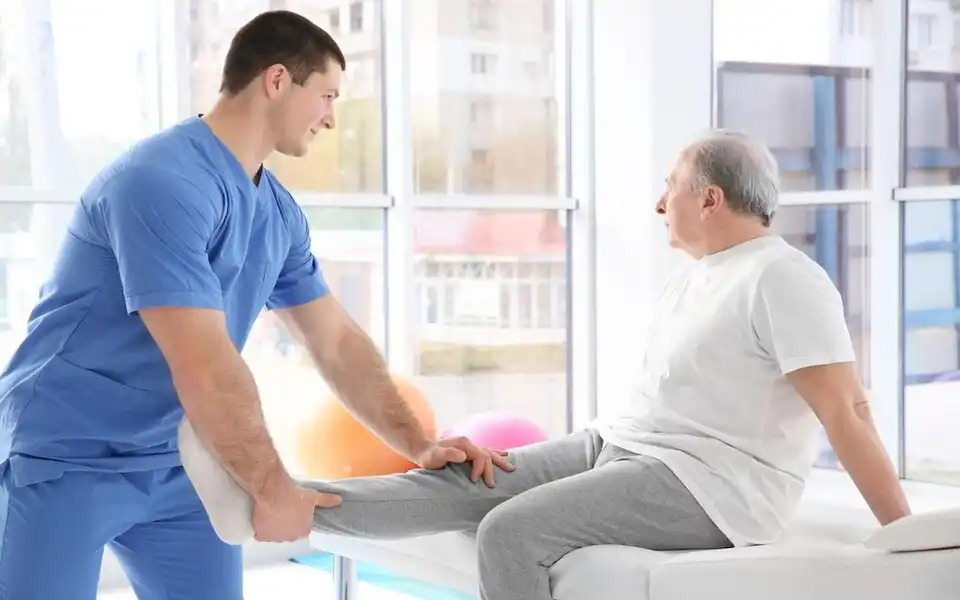
Rheumatoid arthritis (RA) is a long-term autoimmune disease that makes the joints swell and hurt, making it hard to move around. When RA affects the knees, it can be very hard to walk, climb stairs, or do other everyday things. Luckily, there are workouts that can help control symptoms, improve function, and ease pain in the knee. The focus of this piece is on safe and useful movements for the knees that are designed to help people with RA.
Understanding Knee Involvement In Rheumatoid Arthritis
RA most often affects the knees more than any other joint. Inflammation in the synovial membrane can make the joint hurt, swell, and break down bone and cartilage. If you don’t treat RA, it can cause joint abnormalities and a smaller range of motion over time. When done right, exercise can slow this process down, improve movement, and make the muscles that support the knees stronger.
RA Symptoms in the knee may include:
- Swelling and warmth around the joint Stiffness in the morning that lasts more than 30 minutes
- Pain when moving or when not moving
- Having trouble standing or going for long amounts of time
Key Principles For Exercising With RA
People with RA need to be careful when they exercise to keep their joints from getting worse. Here are some important rules to follow:
- Exercise during remission: During flare-ups, it’s recommended to stick to modest range-of-motion exercises or rest. When inflammation is low, you should do strength training.
- Begin with a warm-up: This prepares muscles and joints, lowering the likelihood of injury. Do some light stretching or walking for 5 to 10 minutes.
- Listen to your body: Mild pain is normal, but sharp pain or swelling is a red flag. Stop if the pain doesn’t go away.
- Cool down and stretch: After working out, give your muscles a moment to loosen up by gently stretching them.
Effective Knee Exercises For RA Relief
1. Range Of Motion (ROM) Exercises
These workouts help keep your joints flexible and avoid getting stiff:
- Knee Extensions (Sitting): Take a seat. Straighten one leg slowly, hold for a few seconds, and then bring it back down. Do this 10 times on each leg.
- Heel Slides: Lie on your back, legs straight. Keep one foot on the floor and slide one heel toward your bottom. Go back to the beginning.
- Leg Hangs: Put your legs out in front of you and sit on something high, like a table. Let gravity stretch the knee joint slowly for 30 seconds.

2. Strengthening Exercises
Getting stronger in the muscles around the knee makes the joint more stable and reduces the stress on it.
- Straight Leg Raises: Lie on your back with one leg bent and the other straight. Hold for 5 seconds as you lift the straight leg a few inches off the ground.
- Quad Sets: Sit with your leg straight and contract the thigh muscle without moving the knee. Hold for five to ten seconds.
- Seated Knee Lifts: Use your muscles to lift one knee toward your chest while sitting in a chair. Hold quickly and bring it down. If you can handle it, add light ankle weights.
3. Low-Impact Aerobic Activities
For controlling inflammation and improving joint health, cardiovascular training is a must:
- Swimming: Being buoyant takes the pressure off of joints while still letting you move freely.
- Stationary Cycling: controlled action helps build muscle in the quads and legs.
- Walking with Support: To ease the stress on your joints while still moving, use walking sticks or a walker.
4. Flexibility And Stretching Exercises
Flexibility improves joint mobility and reduces stiffness:
- Hamstring Stretch: Extend one leg while sitting on the floor. Don’t bounce as you reach for your toes.
- Calf Stretch: Stand near a wall with one foot forward and one back. Stretch the calf of your back leg by leaning forward.
- Gentle Yoga Poses: Child’s Pose and Cat-Cow pose help you be more flexible and reduce pain. Do not ever do moves that put pressure on your knees.
Exercise Modifications And Tools
Comfort and safety are ensured by adapting exercises:
- A gentle way to get stronger is to use tension bands.
- Do your movements on a padded area to keep your joints from getting hurt.
- For extra support during workouts, think about getting knee braces.
- You can still benefit from half reps if you change the moves to a range of motion that doesn’t hurt.
When To Consult A Professional
Prior to beginning a new workout plan, you should always talk to your doctor. Ask for help from:
- Physical trainers who know how to treat arthritis for custom plans
- Rheumatologists to make sure that exercise is part of your treatment plan
- Orthopedic surgeons, if the damage to the knee is severe
Signs You Need Professional Help:
- After working out, pain that lasts more than an hour
- Joint weakness or bending happens a lot
- Not being able to do daily tasks
Lifestyle Tips To Support Knee Health
- Keeping a healthy weight: This takes stress off of your knees.
- Consume anti-inflammatory foods: Omega-3 fatty acids (found in fish), leafy greens, and berries may help alleviate symptoms.
- Stay hydrated: Fluid helps to keep joints lubricated.
- Avoid prolonged sitting: Regular activity keeps joints limber.
Conclusion
Rheumatoid arthritis can make it hard to move your knees, but that doesn’t mean you have to stop being able to move around. Regular, light exercise can make a big difference in your flexibility, strength, and the way your joints work overall. People with RA can get back in control, feel less pain, and live a better life by choosing the right routines and making changes to them as needed. Always talk to a physician or nurse before starting a new habit, and remember to take things slowly.
Frequently Asked Questions (FAQs)
1. Can I Exercise During A Ra Flare-up?
During flare-ups, do light exercises like stretching and stay away from intense workouts until your symptoms get better.
2. How Often Should I Do Knee Exercises?
Try to do it three to five times a week, but even a short exercise every day can help.
3. What If My Knees Swell After Exercising?
Use ice and take it easy. Talk to your doctor if the swelling doesn’t go away.
4. Is Walking Safe With Ra In The Knees?
Walking is safe as long as you do it on flat ground and wear the right shoes or use a walking stick.
5. Do I Need Special Equipment To Exercise?
No, you only need a mat or chair for most activities. Knee support or resistance bands are examples of extra tools.

Gas S. is a health writer who covers metabolic health, longevity science, and functional physiology. He breaks down research into clear, usable takeaways for long-term health and recovery. His work focuses on how the body works, progress tracking, and changes you can stick with. Every article is reviewed independently for accuracy and readability.
- Medical Disclaimer: This content is for education only. It doesn’t diagnose, treat, or replace medical care from a licensed professional. Read our full Medical Disclaimer here.