

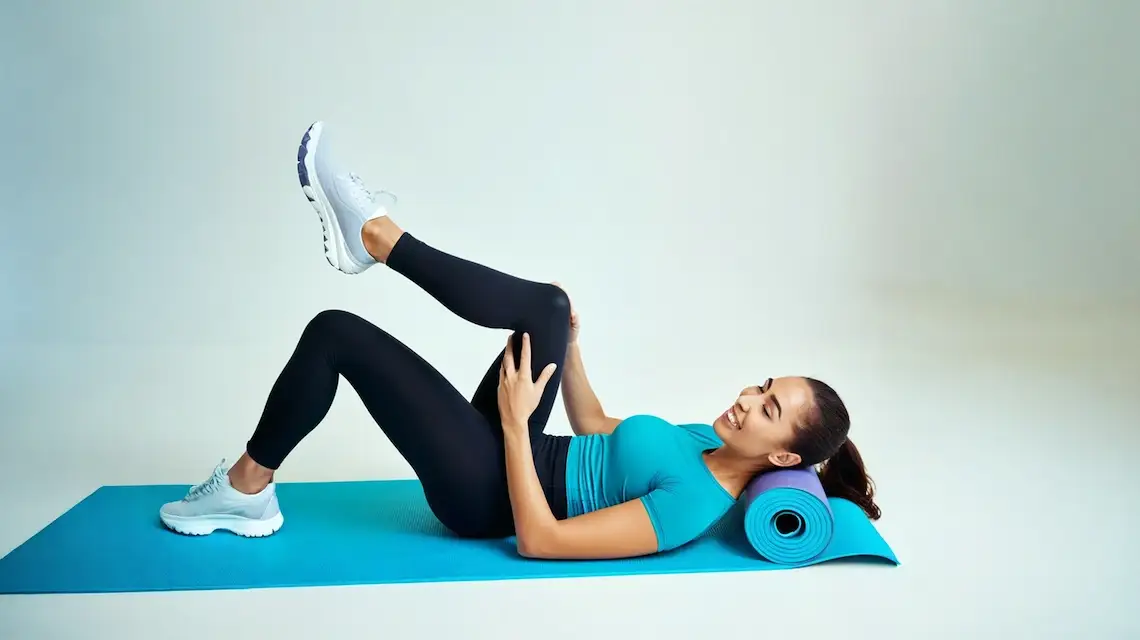
Joint pain is now one of the most common reasons people scale back on staying active. Stiffness, aching, or swelling can make movement tough and sometimes even lead to avoiding exercise altogether. But getting the right kind of movement actually protects your joints, boosts your mood, and supports everyday mobility.
Choosing exercises for people with joint pain isn’t just about comfort, it’s about keeping your body working its best for years to come. Adapting your workouts to fit your needs can help you stay active without making your symptoms worse. If you want practical ways to move more and hurt less, you’re in the right place.
For those dealing with more specific joint issues, like knee discomfort from rheumatoid arthritis, you might find these focused exercises for rheumatoid arthritis in knees helpful as well.
Why Exercise Is Important for People with Joint Pain
Living with joint pain might make the idea of routine exercise sound intimidating. But taking a break from movement can actually make things worse in the long run. Staying active with the right type of exercise is one of the smartest choices for people struggling with stiff or painful joints. Exercises for people with joint pain can ease discomfort, improve daily function, and help you keep doing what you love.
Reducing Stiffness and Inflammation
Regular movement is like oiling a squeaky hinge. When you stay still too long, joints can get stiff, sore, and slow to move. Gentle exercise boosts blood flow, which helps bring nutrients to your joints and flushes out the chemicals that trigger swelling and pain.
Here’s how exercise fights stiffness and inflammation:
- Supports the production of synovial fluid, which is like your joints’ natural lubricant.
- Prevents the thickening of tissues around your joints.
- Moves inflammation out and promotes healing.
Even short walks, stretches, or water workouts can loosen up tight spots. Consistency is key, moving most days of the week will keep your joints feeling less creaky.
Building Strength and Supporting Joints
The muscles and connective tissues around your joints act like shock absorbers. When you keep these muscles strong, your joints don’t have to handle as much strain. That means less pain during movement and a lower risk of injury.
Some benefits of strengthening exercises for people with joint pain:
- Better stability. Stronger muscles keep joints aligned and help prevent twists and sprains.
- Reduced load. Building muscle takes weight off sensitive joints, especially hips, knees, and ankles.
- Improved movement. A solid support system lets you move with more confidence and less fear of flare-ups.
If you deal with knee pain from conditions, you may find specific guidance in these how do you fix knee pain. This type of targeted exercise can make a real difference in daily comfort and function.
Mental Health and Quality of Life
It’s not just your body that benefits from staying active—your mood and outlook improve too. Chronic joint pain can be stressful and even isolating, but exercise is a natural way to fight back against those feelings.
Staying active can help you:
- Lower stress and anxiety through the release of endorphins (your body’s own mood boosters).
- Reduce symptoms of depression that often come with chronic pain.
- Improve sleep quality and overall energy levels.
Exercise offers a sense of control and accomplishment. When you see progress, whether it’s easier movement or less pain after activity, it brings hope and motivation to keep going. Your mental wellbeing and physical health are closely linked—when you take care of one, you usually see benefits in the other.
Types of Exercises for People with Joint Pain
Finding the right exercises for people with joint pain can help you stay active, build strength, and protect your joints from further discomfort. It’s all about picking movements that are gentle, supportive, and proven to keep your body moving well. Below, you’ll find key types of exercise designed for this purpose and how each can fit into your routine.
Low-Impact Aerobic Activities
Low-impact aerobic exercises raise your heart rate without putting extra pressure on your joints. They help you build stamina and get your blood flowing, which can reduce stiffness and improve your overall comfort. Many people with joint pain find their best fit in one or more of the following activities:
- Swimming: Water supports your body weight and cushions movement, making swimming or water aerobics one of the most comfortable cardio options for sore joints.
- Cycling: Riding a stationary bike or cycling outdoors provides an aerobic boost while preventing jarring impact.
- Walking: A brisk walk can be just as effective as more intense exercise, especially if you keep a moderate pace on a flat surface.
- Water aerobics: These group classes combine fun and movement in a way that’s gentle on knees, hips, and spine.
Taking care to keep activities low-impact is especially important for those with spots like the back or hips often acting up. Looking for ways to make walking easier or to ease spinal soreness? Check out these exercises for lower back pain relief to keep you moving safely and comfortably.
Strength Training
Building up the muscles around your sore joints can do wonders for stability and pain reduction. The right approach to strength training isn’t about heavy weights—instead, focus on gentle resistance that doesn’t strain your body.
Try these approaches for safe, joint-friendly muscle work:
- Resistance bands: These offer gentle, controlled resistance and are easy to adjust for any fitness level.
- Light dumbbells: Start with very light weights, focusing on slow movements and proper form, so the muscles do the work instead of the joints.
- Bodyweight moves: Exercises like wall push-ups, partial squats, or gentle step-ups use your own body as resistance. They can be adapted so even on tough days you get benefits.
Aim to work every major muscle group but keep reps and resistance light at first. Pay special attention to how your joints feel during and after each exercise. Gradual progress is safer and keeps you moving well for longer.
Flexibility and Stretching Routines
Maintaining flexibility is key if you want to reduce joint pain and maintain a healthy range of motion. Gentle stretching helps you stay limber and supports joint comfort. Yoga is a standout here, as are simple range-of-motion routines.
Consider these activities for everyday flexibility:
- Gentle stretching: Daily stretches for the neck, shoulders, back, and legs keep the body moving fluidly.
- Yoga: Many yoga poses support joint mobility, improve posture, and calm the mind. You can modify poses to fit your limits and still see results.
- Range-of-motion exercises: These are slow, controlled moves, like shoulder circles or ankle rolls, that keep your joints working the way they should.
If you’re curious what yoga alone can do for your fitness, the benefits of yoga cover how this ancient practice fits into both daily movement and longer-term joint care.
Balance and Coordination Exercises
Good balance reduces the chance of falls, which can be especially risky if your joints are already feeling vulnerable. Coordination exercises give you steadier footing and help you maintain independence as you move through your day.
Some smart options include:
- Tai chi: This slow, mindful movement art combines deep breathing with gentle, rhythmic motions perfect for protecting sore or unstable joints.
- Standing leg lifts: Simply standing on one leg (hold onto a chair for support if needed) is an easy way to train your balance every day.
- Heel-to-toe walking: Walking in a straight line, stepping heel-to-toe, focuses your awareness and strengthens your ankles and knees.
The result? Steadier steps, more confident movement, and a lower risk of bumps, slips, or setbacks. Adding a balance routine can be one of the most rewarding parts of a joint-friendly fitness program.
How to Exercise Safely with Joint Pain
Even when sore joints slow you down, the right approach helps you keep moving without making things worse. Exercises for people with joint pain work best when you focus on safety, comfort, and small adjustments that protect your body. Taking time to plan your workouts, care for your joints, and pay attention to your limits can help you stay active and enjoy better movement day after day.
Warm-Up, Cool Down, and Joint Care
A proper warm-up sets you up for success. Spend a few minutes moving gently to get your blood flowing and loosen tight areas. Think of it as waking up your joints. Options like light walking, gentle marches in place, or slow arm swings all help. The goal is to prepare your muscles and lubricate your joints before you get into your main exercises.
After your workout, cooling down matters just as much. Stretch slowly or repeat your warm-up movements, gradually lowering your heart rate. Cooling down helps prevent stiffness and can reduce any swelling.
Daily care keeps your joints feeling their best:
- Apply a warm compress before exercise to relax stiff areas.
- Use ice afterward if you notice swelling.
- Try simple self-massage or gentle foam rolling to ease tension.
- Consider compression sleeves if you need extra support.
Building these habits also supports broader healthy aging goals. For more holistic advice, check the tips for promoting healthy aging.
Listening to Your Body and Adjusting Activity
Your body is smarter than any workout schedule. Pay close attention to how each movement feels—not just during your exercise, but for hours afterward. If an exercise makes your pain spike or lingers long after you finish, that’s a clear sign to make changes. Never push through sharp or worsening pain.
Here’s how to be proactive with your routine:
- Modify exercises by limiting your range of motion.
- Reduce weights or resistance if a move feels tough on the joints.
- Swap out movements that hurt for gentler alternatives (for example, trade deep squats for chair squats).
- Give yourself permission to rest or pause when your joints feel tired or swollen.
Rest days matter just as much as active days. Listening to your body helps you stay positive and prevents overuse injuries, so you can stay consistent with exercises for people with joint pain.
Choosing the Right Exercise Environment and Equipment
Safe movement starts with your workout setup. The right environment and equipment lower your risk of injury and make exercise more comfortable.
A few essentials to consider:
- Supportive shoes: Pick footwear with good cushioning and arch support. This reduces stress on your knees, hips, and lower back.
- Soft exercise mats: Cushion your joints, especially if you’re doing floor exercises or yoga. Mats help protect elbows, wrists, and knees during weight-bearing movements.
- Stable, clutter-free spaces: Clear away objects that can trip you up or limit your range of movement. Choose well-lit spaces with enough room to move comfortably.
- Assistive tools: Use sturdy chairs for balance support, resistance bands for gentle strengthening, and light weights that fit well in your hands.
A supportive environment empowers you to focus on your movements, not on avoiding hazards. Investing in the right tools also motivates you to keep exercises for people with joint pain in your regular routine. If you want more insight into the benefits of staying physically active for whole-body wellness, explore the health benefits of physical activity resource.
Sample Exercise Routines for Joint Pain Relief
Moving your body when you have joint pain isn’t always easy, but the right routine helps you manage symptoms and feel stronger day by day. Below are sample exercise routines designed for people with aching joints. These examples balance aerobic, strength, and flexibility training for whole-body support, plus tips for targeting trouble spots like knees, hips, and the lower back.
Full-Body Gentle Routine Example
A well-designed full-body routine for joint pain relief keeps stress off your tender areas while helping you gain strength and flexibility. Try this circuit two to three times a week, and adjust the pace and intensity for your comfort level.
Warm-Up (5 minutes)
- Easy marching in place or slow walking.
- Arm circles and gentle shoulder rolls.
- Ankle circles and light toe-tapping.
Aerobic Section (10-15 minutes) Pick activities that minimize impact:
- Slow or moderate walking (on flat, soft ground if possible).
- Swimming or water aerobics.
- Stationary cycling with light resistance.
- Short bursts of step touches or side steps.
Strength and Flexibility Block (15-20 minutes) Go through each move 1-2 sets of 8-12 reps, resting as needed:
- Wall push-ups: Strengthens chest and arms while gentle on wrists and shoulders.
- Seated leg extensions: Sit in a sturdy chair, slowly straighten each leg, then lower.
- Mini-squats: Stand behind a chair, hold for support, and bend your knees slightly then return to standing.
- Resistance band rows: Sit or stand, wrap a band under your feet, and pull toward your waist.
- Seated or standing calf raises: Lift your heels slowly, lowering back down.
Flexibility and Cool Down (5-8 minutes)
- Neck stretches, side-to-side and up-and-down.
- Gentle chest and upper back stretches.
- Easy hamstring stretch seated on the floor or on the edge of a chair.
- Cat-cow stretch (on all fours or seated) for the spine.
Tips for Success:
- Move at your own pace, and pause if you feel sharp pain.
- Breathe steadily throughout each move.
- Hydrate before and after.
- Track your progress to notice small, steady improvements.
Specific Exercises for Commonly Affected Joints
Joint pain most often targets the knees, hips, or lower back. Tailoring exercises helps you reduce pressure, improve function, and gain confidence in movement.
Knee-Friendly Routine
These moves support the knees without stressing them:
- Quad sets: Sit with your leg straight, tighten the thigh muscle, hold for 4-5 seconds, and release.
- Partial chair squats: Use a sturdy chair for support, lower just a few inches, then rise.
- Heel slides: Lying down, slowly slide your heel toward your bottom, then back out.
- Standing hamstring curls: Hold onto a chair, bend your knee, and lift your heel toward your glutes.
Hip Relief Routine
Gentle hip-focused moves:
- Standing hip abductions: Hold a chair, lift your leg out to the side (keep toes forward) for 10-12 reps on each leg.
- Bridge pose: Lie on your back, bend knees, press feet into the floor, and lift your hips, then lower gently.
- Seated figure-four stretch: Sit, cross one ankle over the opposite knee to stretch the hip area.
Lower Back Support Routine
Minimize pain and stiffness with these options:
- Pelvic tilts: Lie on your back, knees bent, gently flatten your lower back against the floor, then relax.
- Knee-to-chest stretch: Lie down and slowly bring one knee to your chest, holding gently.
- Bird dog: On hands and knees, extend opposite arm and leg straight, hold for a moment, and switch.
For those carrying extra weight, low-impact options are especially helpful. Pool-based workouts and gentle strength moves are a good fit. For tailored guidance on picking the best exercise for obese people, tap into practical ideas for staying safe and getting results without overloading your joints.
By combining these routines, you support comfortable, consistent movement. Adjust as needed for your range of motion and always check with your healthcare provider before beginning new exercises for people with joint pain.
Conclusion
Exercises for people with joint pain unlock better movement, less stiffness, and a boost in mood. Start slow, focus on gentle options like walking, swimming, or stretchy routines, and make small changes as you go. The best results come from building habits you can stick with and trying new things at your own pace.
Staying active with joint pain is possible and safe when you listen to your body and give yourself time to adjust. Every step forward supports comfort and independence. If it’s been a while since you last exercised, check out these tips on getting back into exercise after years for some encouragement.
Thanks for reading and taking steps toward steady progress. Your joints and your well-being will thank you, too. Share your experiences or join the conversation—your story could help someone else find their path to feeling stronger.
FAQ:
What types of exercises are safest if I have joint pain?
Low-impact activities like walking, swimming, cycling, and gentle yoga are the safest choices. They move your joints without harsh stress or pounding.
Can exercise actually help reduce joint pain?
Yes, regular movement helps keep joints flexible and muscles strong, which eases pain for many people. Exercise can also lower stiffness and boost your mood.
Should I avoid all weight lifting if my joints hurt?
You don’t have to skip weights, but use lighter loads and slow, steady movements. Focus on proper form. Machines and resistance bands can be easier on joints than free weights.
How often should I exercise with joint pain?
Aim for at least 150 minutes a week of moderate activity, split into manageable sessions. Listen to your body and rest as needed.
Are there stretches that help joint pain?
Gentle stretching can reduce stiffness and help you move better. Focus on areas where you feel tight, but don’t push past mild discomfort.
How do I know if an exercise is making my joint pain worse?
Stop if you notice sharp pain, swelling, or increased stiffness after movement. Mild soreness is normal, but if symptoms don’t improve, change your routine or check with your doctor.
Are water exercises really better for sore joints?
Yes, water supports your weight, taking stress off your joints. Aquatic classes or swimming offer a great way to stay active with less pain.
Do I need to warm up before exercising?
Always warm up with light movement to increase blood flow and prep your joints. Simple walking or easy arm circles work well before activity.
What activities should I avoid with joint pain?
Skip high-impact sports like running on hard surfaces, jumping, or twisting movements if they hurt. Activities that cause sudden or jarring moves can increase joint stress.
Can I exercise during a flare-up?
It’s usually best to rest the painful joint during a flare, but gentle movement like stretching or walking may be okay. Check with your healthcare provider if you’re unsure.
What should I do if I want to start a new workout?
Start slow and pick gentle exercises. If you have concerns, ask your doctor or a physical therapist for advice. They can help you find safe options and build a plan.

Gas S. is a health writer who covers metabolic health, longevity science, and functional physiology. He breaks down research into clear, usable takeaways for long-term health and recovery. His work focuses on how the body works, progress tracking, and changes you can stick with. Every article is reviewed independently for accuracy and readability.
- Medical Disclaimer: This content is for education only. It doesn’t diagnose, treat, or replace medical care from a licensed professional. Read our full Medical Disclaimer here.