

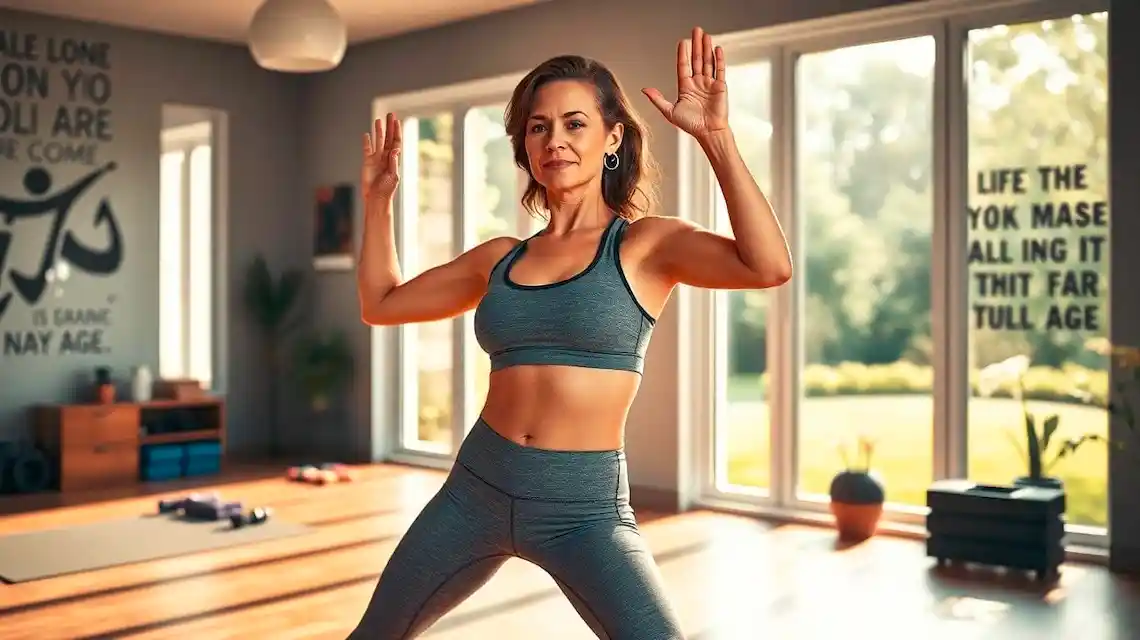
Want to look strong, fresh, and confident at any age? The simplest path is smart movement. No creams can match what consistent training does for muscle tone, posture, and energy. Here is the core idea in plain words: exercise tips help you look great for your age when they focus on strength, cardio, and daily habits you can keep.
This guide shows you the simple science behind a youthful look, a plan you can follow, and ways to make it stick. We will cover how exercise refreshes your appearance and vibe, how to build a routine that fits your week, and how to stay steady when life gets busy. Let’s get you moving with clarity and purpose.
Exercise tips help you look great for your age: how it works
Your body responds to training in ways you can see and feel. Strength work helps you keep lean muscle, which shapes your arms, core, and legs. More muscle gives a slight nudge to your daily calorie burn, and it supports your joints. You stand taller, move better, and feel more stable.
Cardio boosts blood flow. That means more oxygen and nutrients reach your skin. Many people notice a clearer, brighter look after steady training. Research suggests regular activity can improve skin moisture and structure, which supports a healthy glow. For a deeper look at how movement influences skin, see this review on exercise and skin function.
Better movement patterns help posture. Strong hips and a braced core reduce slouching. Your gait becomes smoother. You look more composed, which reads as youthful in daily life. Regular workouts also help with mood and focus, which gives your face and body language a calm, awake look.
Put simply, your training shapes muscle, circulation, and confidence. Next, let’s set up a plan you can use right away.
Muscle tone and posture that make you look taller and tighter
Strength training preserves lean muscle, which naturally tapers with age. It fills out your frame in the right places and supports your spine. Think strong glutes and lats, a stable core, and firm arms and legs. Muscle also slightly increases daily energy use, and it protects knees, hips, and shoulders.
Aim for 2 to 4 total body sessions each week. Build your workouts around these patterns for a balanced look: squat, hinge, push, pull, and carry. This mix covers your big muscles and reinforces posture. Over time, those patterns help you stand tall without trying.
Better blood flow for clear skin and a natural glow
Steady cardio improves circulation, which feeds your skin from the inside. It helps bring nutrients to the surface and can reduce puffiness. Light sweating may clear pores, but harsh scrubbing and overtraining can backfire and irritate skin. Blend easy steady cardio with short intervals to lift heart health without draining you.
Good options include brisk walking, cycling, rowing, or swimming. Stay gentle most days, then add a few brief bursts once or twice a week.
Mood, confidence, and body language that read as youthful
Regular training can reduce stress, lift mood, and help you sleep. That combo shows up on your face. Calm energy, a steady gait, and open shoulders signal youth at any age. Choose activities you enjoy, so your confidence grows with every session. If you like the big picture, this roundup of ways exercise can help you look and feel younger covers posture, energy, and flexibility in accessible terms.
Build an age-proof workout plan you can keep
You do not need long workouts to see results. You need a simple plan that fits busy weeks. Use total body strength, low-impact cardio, and quick mobility. Focus on good form, small weekly progress, and regular practice.
Two flexible schedules work for most people. A 3-day plan balances strength with recovery if your week is packed. A 5-day plan adds short cardio sessions for extra conditioning. On hectic days, use 20-minute sessions. On easier days, stretch to 30 or 45 minutes. When in doubt, do less than you think and keep your form tight.
Strength moves to keep for life: squat, hinge, push, pull, carry
Use bodyweight or dumbbells. Pick one move for each pattern:
- Squat: bodyweight squat or sit-to-stand
- Hinge: hip hinge or dumbbell deadlift
- Push: incline push-up on a bench
- Pull: dumbbell row or band row
- Carry: suitcase carry with one dumbbell
Do 2 to 3 sets of 6 to 12 reps. Leave 1 to 2 reps in reserve. Keep a neutral spine, move with slow control, and use a full range of motion. Quality beats load.
Joint-friendly cardio that burns fat without burnout
Pick options that feel kind to knees and hips: brisk walking, cycling, rowing, swimming, or low-impact intervals. Aim for 150 minutes per week at an RPE of 4 to 6. If energy allows, add 1 to 2 short interval sessions at an RPE of 7 to 8. Keep those bursts brief, like 20 to 40 seconds, followed by easy recovery.
Mobility and balance drills for ease and grace
Spend 5 to 10 minutes daily on a simple flow:
- Ankle circles, 10 each side
- Hip openers, like 90/90 or gentle lunges
- Thoracic rotations, 6 to 8 per side
- Shoulder CARs, slow and smooth
- Single-leg balance near a wall, 20 to 30 seconds each side
Smoother movement makes you look relaxed and capable. Balance work also protects ankles, knees, and hips, which keeps your stride confident.
Weekly schedules for 20, 30, and 45 minute days
- 3-day plan: full-body strength on Monday and Friday, cardio plus mobility on Wednesday. Walk on other days as time allows.
- 5-day plan: strength on Monday, Wednesday, Friday. Short cardio on Tuesday and Saturday. Gentle mobility daily.
- Busy weeks: 20-minute circuit. Pair a lower move, an upper move, and a carry for 3 rounds. Finish with a 5-minute brisk walk.
Make great results stick for years
Consistency beats intensity. Build habits that fit your life. Warm up quickly, increase slowly, and recover well. Eat simple, nourishing meals. Keep your sleep steady. Adjust for your age and goals without fear. Track progress with more than the scale so you see the changes that matter.
Warm-ups, recovery, and injury prevention that save your progress
Use a fast warm-up that works:
- Three minutes of easy cardio
- Three joint openers, like hips, thoracic spine, and shoulders
- One light set of your first lift
Take 1 to 2 rest days each week. Every 6 to 8 weeks, run a lighter week to refresh. Stop if you feel sharp pain. If form feels off, ask a coach for a quick check or record a set for a self-review.
Eat, drink, and sleep to power training and skin health
Keep food simple and repeatable:
- Include protein at each meal, like eggs, fish, chicken, tofu, or Greek yogurt
- Fill half your plate with colorful produce
- Add fiber-rich carbs like oats, beans, or potatoes
- Drink 2 to 3 liters of water daily
Limit alcohol and added sugar. Aim for 7 to 9 hours of sleep, with a regular bedtime. Better sleep and hydration support steady hormones and skin clarity. Your workouts will feel easier, too.
Age-specific tweaks for your 30s, 40s, 50s, and 60+
- 30s: build skill and consistency. Try new sports to expand your movement toolbox.
- 40s: keep strength, and add extra mobility and core work. Your joints will thank you.
- 50s: train strength and power. Use safe jumps or fast step-ups if joints allow.
- 60+: walk daily, train balance, and lift light to moderate loads. Ask your doctor about bone density checks and keep your routine regular.
Simple ways to track progress without the scale
Try these stress-free checks:
- Monthly posture and form photos
- A log of sets, reps, and weights
- A short weekly energy and sleep score, 1 to 10
- Clothing fit notes and a 12-week goal check-in
Celebrate non-scale wins like faster stairs, deeper squats, and longer walks. Those are real results.
Conclusion
Keep it simple. Pick one strength day, one cardio day, and a 5-minute mobility flow this week. Add a little each week and protect your form. If you stay consistent, these exercise tips help you look great for your age and feel even better. Ready to start today? Your future self will thank you.
Related post:
- How to Stay Active With Back Pain
- Improve Fitness With Calisthenics Program
- How to Prevent Common Running Injuries
Exercise Tips Help You Look Great for Your Age FAQs:
How much should I work out to look fit for my age?
Aim for 150 minutes of moderate cardio each week, or 75 minutes of vigorous cardio. Add 2 to 3 strength sessions. Spread it out over 3 to 5 days to recover well.
What type of exercise gives the most visible results?
Strength training changes your shape the most. Build muscle, then add brisk walking or cycling for heart health and fat loss. Finish with short mobility work to keep joints happy.
I’m over 40. What should I focus on first?
Prioritize strength, protein, and sleep. Train full body 2 to 3 times weekly. Include hip hinges, squats, pushes, pulls, and carries. Walk daily to support recovery and weight control.
Can I lose belly fat with ab exercises?
No. You cannot spot reduce fat. Do full body strength, eat enough protein, and maintain a small calorie deficit. Use ab work to build core strength and posture, not fat loss.
How do I protect my joints as I age?
Use proper form, a full range you can control, and gradual load. Warm up with light cardio and dynamic moves. Swap high-impact moves for low impact options if joints ache.
Is HIIT safe over 40 or 50?
Yes, if you scale it. Limit HIIT to 1 to 2 short sessions per week. Keep work periods crisp, and rest long enough to keep quality high. Skip it if you feel run down.
What strength routine should I follow each week?
Try this simple split. Day 1, lower body and core. Day 2, upper body push and pull, and 3, full body and carries. Rest a day between sessions, or walk on off days.
How does exercise help my skin look better?
Blood flow improves skin tone and collagen maintenance. Strength training helps by lowering inflammation. Sweat is fine, just cleanse after workouts and wear SPF daily.
How much protein supports a firm look?
Most active adults do well with 0.7 to 1.0 grams per pound of goal body weight. Spread it across 3 to 4 meals. Include 25 to 40 grams per meal.
What if I have only 20 minutes?
Use short full body circuits. Pick 4 moves, for example, squat, push, hinge, row. Do 3 to 5 rounds with steady rest. Finish with a 5 minute brisk walk.
Do I need heavy weights to see change?
You need muscle effort close to fatigue. Heavy, moderate, or light loads can work if you push near 1 to 3 reps in reserve. Progress weight, reps, or sets over time.
How important is mobility and posture?
Very. Five to ten minutes a day pays off. Focus on hips, thoracic spine, ankles, and shoulders. Better posture makes you look taller, leaner, and more relaxed.
What cardio is best for aging well?
Walking is the base. Add cycling, rowing, or swimming for low impact variety. Keep most sessions easy, you should be able to talk. Sprinkle in short harder bouts.
How much rest do I need?
Sleep 7 to 9 hours. Leave at least 48 hours between hard strength sessions for the same muscles. Take a lighter week every 6 to 8 weeks if progress stalls.
Can exercise change my face or neck look?
Indirectly. Lower body fat and better posture define the jaw and neck lines. Strength work can lift your chest and shoulders, which improves how your neck looks.
I have knee or back pain. Can I still train?
Usually, yes, with smart changes. Use pain-free ranges, slower tempo, and machine or cable options. Swap deep bends for supported moves. If pain persists, see a clinician.
What supplements actually help with looking fit?
Protein powder helps you hit targets. Creatine supports strength and muscle. Omega-3s may aid joint comfort. Supplements add to a good diet, they do not replace it.
How long until I see results?
You can feel better in 1 to 2 weeks. You may notice muscle tone in 4 to 6 weeks. Body shape changes more in 8 to 12 weeks with steady training and eating.
What daily habits make the biggest difference?
Walk 8,000 to 12,000 steps. Lift 2 to 3 times weekly. Hit your protein goal. Keep alcohol low, hydrate, and go to bed on time. Wear SPF, then repeat.

Gas S. is a health writer who covers metabolic health, longevity science, and functional physiology. He breaks down research into clear, usable takeaways for long-term health and recovery. His work focuses on how the body works, progress tracking, and changes you can stick with. Every article is reviewed independently for accuracy and readability.
- Medical Disclaimer: This content is for education only. It doesn’t diagnose, treat, or replace medical care from a licensed professional. Read our full Medical Disclaimer here.