

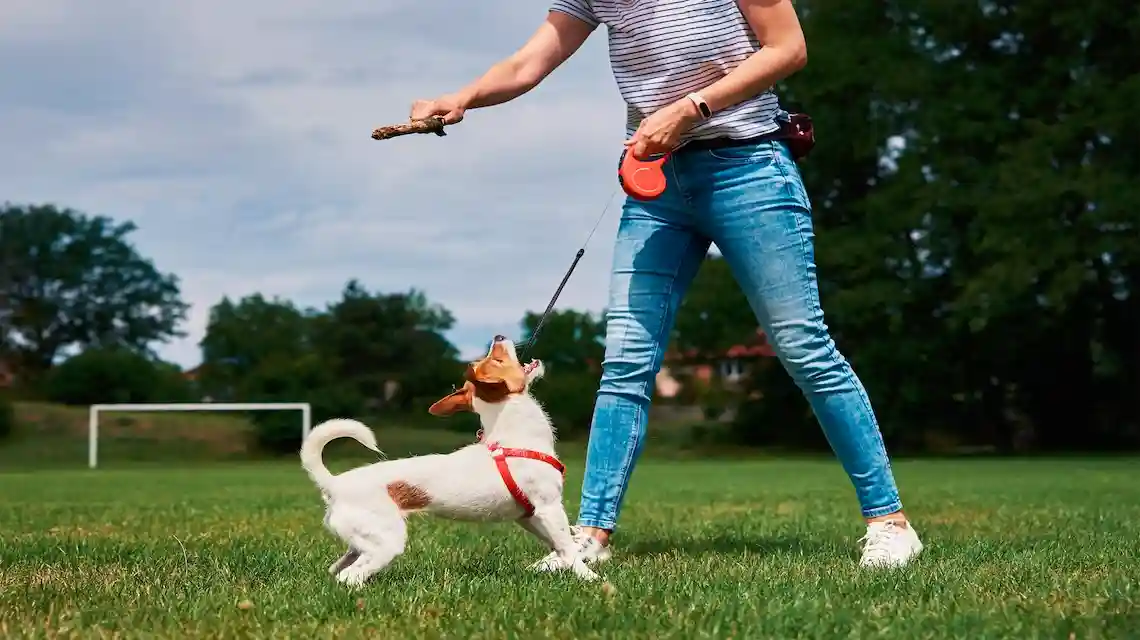
Your dog does not need to be a future movie star to enjoy dog trick training for beginners. Trick training is really about connection, confidence, and giving your dog something fun to think about. It turns “hyper” energy into useful focus and helps shy dogs feel braver.
If you are new to training, it can feel like everyone else knows some secret method. You might worry you will “ruin” your dog if you get it wrong, or even worry if your dog love you. That is not how this works. With a few simple rules, you can teach easy tricks and actually enjoy the process.
In this guide, you will get a short prep checklist, a clear step by step method, and four beginner friendly tricks. Everything is written at an 8th grade level so you can start today, not “someday.”
Getting Ready for Dog Trick Training for Beginners
Feeling prepared makes it much easier to start instead of just reading about it.
Know Your Dog: Age, Energy, and Attention Span
Puppies and adult dogs can both learn tricks. The key is to match your session to their body and brain.
Most beginners do best with 5 to 10 minute sessions, two or three times a day. Short, fun training works better than one long, stressful lesson. End while your dog still wants more.
If your dog is shy or nervous, start in a very quiet spot and reward tiny efforts. Give them space, do not crowd them, and let them move away if they need a break.
Basic Training Tools: Treats, Clicker, and Quiet Space
You do not need fancy gear to start trick training. Keep it simple:
- Small, soft treats that your dog loves
- A clicker or a cheerful “yes” as a marker
- A regular leash or harness if you need it
- A quiet space with few distractions
A distraction free room makes it easier for your dog to think. The San Francisco SPCA’s tips on teaching simple tricks also stress starting in a calm place, then slowly adding more noise and movement later.
Set Simple Training Rules for You and Your Dog
A few clear rules keep training fun and fair:
- Keep sessions short
- End on a small win
- Be patient and calm
- Never punish mistakes
- Train the same way every time
These rules help your dog feel safe and confident. When the pattern is clear, your dog can relax and focus on the game.
Step by Step Method: How Dogs Learn New Tricks
Once you understand the basic pattern, almost any trick becomes possible.
Use Positive Reinforcement So Your Dog Wants to Learn
Positive reinforcement means you reward what you like. If your dog sits, you mark it with a click or “yes”, then give a treat. If they jump or bark, you ignore it or quietly reset.
This style of training builds trust. Your dog learns that good choices make good things happen. That makes them try harder next time instead of shutting down.
You can see this same approach in many trainer guides, like this list of fun and easy dog tricks to teach your dog.
Break Tricks Into Tiny Steps and Reward Each One
Big tricks often look hard, but they are just a chain of tiny actions. Trainers call this “shaping.”
For example, to teach “spin” you might:
- Reward your dog for turning their head to follow a treat.
- Reward when they take a step around in a small arc.
- Reward only when they complete a full circle.
By paying your dog for each small step, you keep them from feeling lost or wrong.
Add a Clear Cue Word and Hand Signal
Add your cue word only after your dog starts offering the action on their own. Say “spin” right before they move in a circle, then reward.
Use the same word and tone every time. Pair it with a simple hand signal, like drawing a small circle in the air. Some dogs respond faster to visual cues, so signals can really help.
Fade Out Treats Slowly and Practice in New Places
Once your dog understands the trick, you can start to pay less often.
First, reward every correct try. Then reward every second or third correct try, and mix in praise, petting, or a quick game. Do not stop treats all at once.
When your dog is solid at home, practice in new rooms, then in the yard, then at a quiet park. New places add distractions, so go back to paying more often for a while.
Fun and Easy Tricks to Teach First
These beginner tricks build focus, body awareness, and confidence. They are also cute, which keeps you motivated to practice.
If you want even more ideas after these, check out this guide to easy dog tricks for beginners.
Teach “Sit Pretty” Foundations: Targeting and Balance
“Sit pretty” is when your dog sits up on their hind legs with front paws in the air. It is adorable, but it does require strength and balance, so start with foundations.
Begin with your dog sitting. Hold a treat right above their nose so they lift their head and chest a little. Mark and reward any light weight shift backward or small front paw lift.
You can also offer your hand as a nose target. Hold your hand just in front of their face. When they touch it with their nose, mark and treat. This helps them learn to follow your hand without jumping.
Do not pull their paws or force the position. If they struggle, stay with tiny lifts or nose targets. Even these small moves build core strength and focus.
Teach “Shake” or “Paw” for Quick Wins
“Shake” is a classic beginner trick. It is fast to teach and makes many people feel more confident as trainers.
Here is a simple way to teach it:
- Have your dog sit in front of you. Hold a treat in your closed fist near their chest.
- Most dogs will sniff, lick, then lift a paw. The moment the paw moves, mark and treat.
- When the paw lift happens more often, start saying “shake” or “paw” right before it. Then offer your open hand to catch the paw.
Keep the paw shake gentle. Reward calm, soft contact, not scratching. This trick also helps dogs get used to having their paws handled, which makes nail trims and vet visits easier.
You can see another variation of this trick in the AKC’s guide on teaching your dog to shake.
Teach “Spin” in a Circle to Build Focus and Flexibility
“Spin” is a great warm-up trick. It stretches your dog’s body and helps them tune in to you.
Start with your dog standing. Hold a treat at their nose and slowly move your hand in a circle around their body. As they follow, mark and give the treat once they finish the circle.
Repeat several times. When they follow the food easily, start to move your empty hand in the same pattern, then give the treat from your other hand. This is how you fade the lure.
Once your dog will follow your empty hand, add the cue word “spin” right before you move. Later, you can teach “reverse” or “other way” for a second direction.
Teach “Touch” (Nose Target) to Your Hand
“Touch” looks simple, but it is one of the most useful tricks you can teach.
Hold your palm out a few inches from your dog’s nose. Most dogs will sniff it. The moment their nose makes contact, mark and treat.
Pull your hand away, then present it again. After a few repeats, add the word “touch” right before your dog bumps your hand. Reward every clear nose target.
Once your dog understands, you can move your hand slightly to the side, lower, or higher, and reward them for following. Later, you can use “touch” to help your dog:
- Move onto a scale at the vet
- Come closer in busy places
- Learn tricks like closing a door or weaving through your legs
Many trick trainers use nose targeting as a base skill, and resources like Talent Hounds’ easy tricks guide show how it connects to more advanced behaviors.
Conclusion
You now have a simple plan for dog trick training for beginners. Start with basic tools, tasty treats, and a quiet space. Use positive reinforcement, break tricks into small steps, and add cue words only after your dog understands the action.
Beginner tricks like shake, spin, touch, and sit pretty foundations build focus, balance, and trust. They also make daily life easier, since a dog that loves to learn is easier to guide.
Pick one trick from this guide and try a 5 minute session today. Keep it short, playful, and full of praise, and your dog will be ready for the next round tomorrow, and don’t forget to hydrate your dog well throughout the training.
Dog Trick Training for Beginners FAQs:
How old should my dog be to start trick training?
You can start simple trick training as soon as your puppy comes home, usually around 8 weeks old.
Keep early sessions very short, around 3 to 5 minutes, and make them feel like fun games. For adult dogs, you can start at any age. Older dogs may learn a bit slower at first, but they often have better focus once they understand the routine.
What’s the best first trick to teach a beginner dog?
Good first tricks are easy, safe, and useful in daily life. Popular starter tricks include:
- Sit
- Down
- Touch (nose to your hand)
- Watch me (eye contact)
“Touch” is a great beginner trick. Hold out your hand, mark and reward any nose bump, then add the word “Touch” once your dog starts offering it. You can later use “Touch” to guide your dog into other tricks like spin or weave.
How long should trick training sessions be?
Short and sweet works best. Aim for:
- Puppies: 3 to 5 minutes, a few times per day
- Adult dogs: 5 to 10 minutes, one to three times per day
End the session while your dog still wants more. That way, your dog looks forward to the next one instead of getting tired or annoyed.
What kind of treats or rewards should I use for trick training?
Use small, soft, tasty treats that your dog can eat quickly. Dry, hard treats slow training because your dog needs time to chew.
Good options include tiny pieces of:
- Cooked chicken or turkey
- Cheese (in moderation)
- Soft commercial training treats
You can also mix in non-food rewards, like a quick game of tug, a toss of a favorite toy, or happy praise. Some dogs work better when you rotate rewards so it feels exciting.
How do I keep my dog focused during trick training?
Set your dog up to win. Focus usually improves when:
- You train in a quiet, familiar place first
- You remove distractions like toys, kids, or other pets
- You use high-value treats for harder tricks
Keep your dog a little hungry by not training right after a big meal. If your dog gets distracted, shorten sessions, increase reward quality, and make the task a bit easier so your dog can succeed again.
What if my dog doesn’t seem interested in tricks?
First, check three basics: health, rewards, and difficulty.
- If your dog suddenly loses interest, talk to your vet to rule out pain or illness.
- Try higher-value rewards, like chicken or a favorite toy.
- Make the trick easier, then build up in tiny steps.
Some dogs need a warm-up. Start with a trick your dog already knows well, reward a few quick reps, then introduce the new trick for just a moment before ending on a win.
How do I teach more than one trick without confusing my dog?
Teach one new trick at a time, and keep cues clear and consistent. A simple plan:
- Pick one main new trick for the week.
- Start each session with 1 or 2 easy tricks your dog already knows.
- Practice the new trick for a few short reps.
- End with another easy trick so your dog finishes confident.
Use different words and hand signals for each trick, and say the cue only once before giving your dog time to respond.
How long does it usually take for a dog to learn a trick?
It depends on the trick, your dog, and how often you train. As a rough guide:
| Type of Trick | Example | Rough Time With Daily Practice |
|---|---|---|
| Simple | Sit, Touch | A few days |
| Moderate | Spin, Shake | 1 to 2 weeks |
| Complex or multi-step | Roll over, Bow | Several weeks or longer |
Short, regular sessions beat long, rare ones. Ten focused minutes a day usually works better than one long session on the weekend.
Do I need a clicker to train tricks?
A clicker is helpful, but not required. A clicker gives a clear sound that tells your dog, “Yes, that is the behavior I want.”
You can get similar results with a consistent verbal marker like “Yes!” or “Good!” as long as you say it in the same tone every time a behavior happens. Pick one marker, stick with it, and always follow it with a reward.
Are some dog breeds better at tricks than others?
Some breeds tend to pick up tricks faster, especially herding, sporting, and many working breeds. They were bred to pay close attention to people and enjoy mental work.
That said, any healthy dog can learn fun tricks with patience and rewards, including mixed breeds, small breeds, and seniors. Focus on what your individual dog enjoys and learns well, instead of what the breed “should” do.
How can I tell if my dog is having fun during trick training?
Watch your dog’s body language. Signs of a happy dog include:
- Loose body and tail
- Bright eyes and a relaxed face
- Eager response when you pick up treats or a clicker
If your dog yawns a lot, licks lips, turns away, or walks off, training might be too long, too hard, or not rewarding enough. Take a break, make it easier, and end with a quick, easy win and a reward.
 Gingivitis Cats Symptoms Every Pet Parent Should Know
  How to Make Dog Cookies at Home
  Wet Food or Dry Food for Cats?
  What Is the Healthiest Hamster Breed for Your Home?
  Cat Food Intolerance Symptoms: How To Spot Them Early
  Best Birds for Beginners