

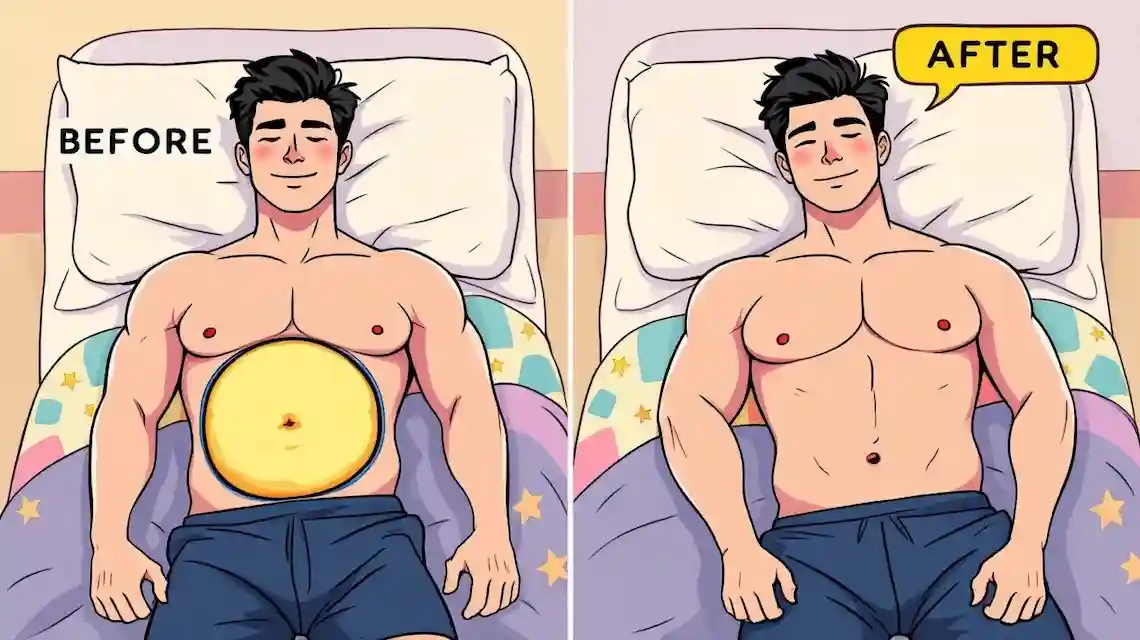
Have you ever wondered why those last few pounds won’t budge, even with a solid diet and regular workouts? Sleep could be the missing piece. And yes, the question does sleeping position affect weight loss is worth asking.
Short answer, it can play a small role. Your position does not burn fat by itself, but it can affect sleep quality, breathing, digestion, and pain. Those factors influence hunger hormones, cravings, and daily energy use. Better sleep supports better weight control.
Here’s the idea. Back, side, and stomach positions change how well you breathe, how your spine rests, and whether you get reflux at night. Poor sleep raises ghrelin, lowers leptin, and makes you hungrier the next day. Good sleep steadies those signals and helps you stick to your plan.
In this post, you’ll learn the science behind sleep and weight, how each position may help or hurt, and when to adjust pillows or posture. You’ll also get simple, actionable tips you can try tonight to sleep deeper and wake up with more control over cravings.
Ready to see which position fits your goals, and how to set up your bed for better results? Keep reading for clear guidance, practical tweaks, and a quick checklist to start using today.
The Surprising Link Between Sleep and Your Weight Loss Journey
Quality sleep drives consistent weight control. When you sleep well, your body resets key systems that manage hunger, energy use, and recovery. Studies show people who average less than 7 hours tend to gain more weight, feel hungrier, and burn fewer calories at rest. Feeling wiped the next day often leads to cravings for fast, salty, or sweet foods. This is where the question does sleeping position affect weight loss fits in. The right position supports deeper, longer sleep, which helps your metabolism work as it should.
How Poor Sleep Sabotages Your Metabolism
Think of sleep as your body’s nightly reset button. When you cut sleep short, that reset is incomplete. The first hit lands on insulin sensitivity, which is how well your cells pull sugar out of the blood. Poor sleep makes cells less responsive to insulin, so your body pumps out more of it. Higher insulin nudges your body to store more fat, especially after carb-heavy meals.
Research links short sleep to higher fasting glucose, sluggish morning metabolism, and more fat storage around the abdomen. Even a few nights of 5 to 6 hours can mimic the effects of prediabetes in healthy adults. Over time, that means your body gets better at storing energy and worse at burning it.
Position matters as a support tool. If a back or side position reduces snoring or reflux for you, you are more likely to hit deep sleep. Better sleep quality improves insulin control and keeps fat storage in check.
Hormones Out of Whack: The Real Culprit Behind Weight Gain
Two hormones drive a lot of next-day choices. Ghrelin is the hunger signal. It climbs when you sleep poorly, so food looks better and you start eating sooner. Leptin is the fullness signal. It drops after bad sleep, so you stop feeling satisfied at normal portions. Add cortisol, the stress hormone, and you get a triple hit. Cortisol rises with sleep loss, pushes cravings for comfort foods, and favors belly fat storage.
You know the pattern. A short night leads to a bigger breakfast, a sugary coffee, and late-night snacking to stay awake. Good sleep flips that script. By cutting awakenings with a supportive position and pillow setup, you lower ghrelin, lift leptin, and keep cortisol steady. That makes it easier to eat to your plan, not your cravings.

Which Sleeping Positions Boost Weight Loss the Most?
If you are asking does sleeping position affect weight loss, think about sleep quality first. Positions that help you breathe well, digest well, and stay asleep longer can support better hormone balance. That means steadier hunger signals, fewer cravings, and more energy to move.
Side Sleeping: The Top Pick for Better Digestion and Rest
Side sleeping ranks high for comfort and gut health, especially on your left side. This position keeps the stomach below the esophagus, which helps reduce acid reflux and heartburn. Less reflux means fewer awakenings and a smoother path into deep sleep.
Side sleeping can also support lymphatic flow, which may help reduce morning puffiness and bloating. When your tissues are less inflamed, you often feel lighter and move more. Better sleep quality from fewer awakenings improves melatonin and growth hormone rhythms. Those hormones guide recovery and help your body shift into fat burning at night.
Practical tip: hug a pillow to keep your top shoulder and hip aligned. Place a thin pillow between your knees to relax your lower back. Comfortable alignment keeps you asleep longer, which is the real win for weight control.
Back Sleeping: Good for Alignment but Watch for Snoring
Back sleeping spreads weight evenly and can ease pressure on hips and shoulders. It supports a neutral spine, which helps reduce morning pain. That comfort can translate to longer, deeper sleep.
The catch is snoring. Lying on your back can let the tongue fall back, which may raise the risk of snoring or sleep apnea in some people. Fragmented sleep drives hunger, raises cortisol, and makes weight loss harder. If you sleep on your back, use a pillow that lifts the head slightly and keeps the chin neutral. A small pillow under the knees can reduce low back strain. Aim for uninterrupted sleep so your body can cycle into fat burning stages.
Stomach Sleeping: Why It Might Hinder Your Progress
Stomach sleeping often strains the neck and lower back. You must twist your head to breathe, which tightens muscles and can cause morning pain. It can also limit diaphragmatic breathing, which leads to shallow breaths and lighter sleep.
Shallow sleep shortens deep and REM stages. That shift raises stress hormones, especially cortisol, and can push the body to store more fat. You may also wake more often without realizing it. For weight goals, avoid stomach sleeping. If you cannot switch, use the thinnest pillow you can, and try a gradual shift to side sleeping with a body pillow for support.
Simple Tips to Improve Your Sleeping Position for Weight Loss Success
Small tweaks to how you sleep can boost recovery, curb cravings, and make your plan easier to follow. If you are asking does sleeping position affect weight loss, think consistency first. Pick a position you can keep, then train your body to stay there. Track changes with a sleep app, note how you feel, and adjust. If you snore hard, stop breathing at night, or wake unrefreshed, talk with your doctor before making big changes.
Train Your Body to Sleep on Your Side Tonight
Want a simple, fast shift that supports better rest? Try this plan tonight.
- Place a pillow behind your back to block rolling onto your stomach or back.
- Hug a body pillow to keep your shoulders and hips aligned.
- Use position alarms or gentle vibration clips to nudge you when you flip.
Side sleeping can reduce snoring and reflux, which cuts awakenings. Fewer awakenings support deeper stages of sleep, better growth hormone release, and stronger recovery. Better recovery helps control appetite next day and supports steady fat loss over time.
Enhance Your Sleep Setup for Deeper, Fat-Burning Rest
Your setup should make side sleeping easy and pain free.
- Mattress: choose medium to medium-firm. You want support with a little give at the shoulder and hip.
- Pillows: keep your neck level. A higher loft pillow often suits side sleepers. Add a thin pillow between knees to relax the lower back.
- Room temperature: aim for about 65 F. A cooler room helps melatonin rise and keeps sleep deeper.
- Screen cutoff: stop phones and TV 60 minutes before bed. Blue light delays melatonin and fragments sleep.
Good position plus quality sleep amplifies diet and training results. You wake with more energy to move, steadier hunger signals, and better insulin control. Build a simple routine, go to bed at the same time, and track your sleep with an app. Experiment safely, adjust one variable at a time, and stick with what helps you stay asleep the longest. Consistency wins.
Conclusion
Sleep ties the whole plan together. The position you choose shapes sleep quality, and that shapes hunger, cravings, and next-day energy. Side sleeping, especially on the left, often reduces reflux and helps you stay asleep. Back sleeping can work when snoring is managed with the right pillow and head position. Stomach sleeping tends to break sleep and strain the neck, so shift away from it when you can.
Keep your setup simple and supportive. Use a medium to medium-firm mattress, a pillow that keeps your neck level, and a thin pillow between your knees if you sleep on your side. Keep the room cool, cut screens before bed, and stick to a steady schedule. Small choices add up when you repeat them.
Try one change tonight. Set up your side position, dial in your pillows, and track how you feel in the morning. Share what helped, and keep what works. The core answer to does sleeping position affect weight loss is yes, indirectly, through better sleep and steadier hormones.
You started this post wondering about a missing piece. Now you have a simple plan you can use today. Make the easy tweaks, sleep deeper, and let your results build.
Sleep Positions and Weight Loss: FAQ
Does sleep position directly help you lose weight?
No. No position burns fat by itself. Weight change comes from diet, activity, and hormones. Sleep position only affects weight indirectly through sleep quality and breathing.
Can sleep position affect appetite hormones?
Yes, through sleep quality. Poor sleep raises ghrelin, lowers leptin, and can increase cortisol. That pattern drives hunger and cravings. Positions that reduce snoring and awakenings help keep these hormones in a healthier range.
Which sleep position is best for better sleep quality?
Side sleeping often wins. It can reduce snoring and mild sleep apnea, so you get deeper sleep. Better sleep supports weight control. Back sleeping can worsen snoring for some people. Stomach sleeping may strain the neck and back.
Does sleeping on your back slow weight loss?
Not directly. If back sleeping increases snoring or apnea, your sleep can suffer. That can raise appetite and reduce energy the next day. If you breathe well on your back, there is no penalty.
Is side sleeping better for people with sleep apnea who want to lose weight?
Often yes. Side sleep can lower airway collapse, reduce apneas, and improve oxygen levels. Better oxygen and fewer awakenings support energy and hormone balance, which helps weight goals. If apnea is moderate or severe, get tested and treated.
Can left side vs right side make a difference?
For reflux, yes. Left side sleeping can reduce acid reflux. Less reflux means fewer wake-ups and better sleep quality. That can help appetite control the next day.
Do pillows or body positions affect metabolism?
They do not change metabolism in a meaningful way. Pillows that align the neck and spine, or a body pillow for side sleep, can reduce pain and restlessness. You sleep longer and deeper, which supports weight control.
Does sleeping upright help with weight loss?
No direct effect. Slight incline can help with reflux or snoring, which can improve sleep quality. The weight effect is indirect, through better rest and fewer nighttime awakenings.
Can poor sleep posture cause water retention or bloating?
It can, in small ways. Neck or back strain can raise stress hormones and inflammation, which may cause mild fluid shifts. The impact on body weight is small and short term. Comfort and alignment matter more for steady sleep.
Will a cool sleep position or fewer blankets help burn more calories?
Cool rooms can raise brown fat activity a little. The calorie difference is small. Aim for a cool, comfortable room and breathable bedding. Focus on total sleep time and quality.
How many hours of sleep support weight loss, regardless of position?
Most adults do best with 7 to 9 hours. Short sleep raises hunger, cravings, and late-night snacking. Pick a position that lets you stay asleep and wake rested.
Any tips to choose the right position for weight goals?
- If you snore, try side sleeping with a body pillow.
- If you have reflux, choose the left side or a slight incline.
- Use a pillow that keeps your neck neutral, not flexed or tilted.
- Keep hips and shoulders aligned with a medium mattress if you sleep on your side.
- If back sleeping, place a small pillow under knees to ease the lower back.
- Avoid alcohol near bedtime, it worsens snoring in any position.
Should I change positions during the night?
It is normal to shift. If a position wakes you with pain, reflux, or snoring, adjust. Aim for the setup that gives you the longest, most continuous sleep.
When should I see a professional?
- Loud snoring, choking, or gasping at night
- Morning headaches or dry mouth
- Daytime sleepiness despite enough time in bed These signs point to sleep apnea. Testing and treatment can improve sleep quality and support weight loss.

Gas S. is a health writer who covers metabolic health, longevity science, and functional physiology. He breaks down research into clear, usable takeaways for long-term health and recovery. His work focuses on how the body works, progress tracking, and changes you can stick with. Every article is reviewed independently for accuracy and readability.
- Medical Disclaimer: This content is for education only. It doesn’t diagnose, treat, or replace medical care from a licensed professional. Read our full Medical Disclaimer here.