

You’re doing “all the right things,” but your midsection still feels stuck. Maybe your days are packed, your sleep is light, and you’re running on coffee and deadlines. Then you look in the mirror and think, why is my belly the last place to change?
Two hormones often sit in the middle of this story: cortisol and insulin. Cortisol helps your body handle stress and make fuel available. Insulin helps move sugar from your blood into your cells and store extra energy for later. When life is stressful for a long time (or sleep is short), cortisol can stay higher than your body likes. That can nudge blood sugar up, which can push insulin up, too, and that combo can make belly fat easier to gain and harder to lose, especially deeper visceral fat.
This isn’t about blame. It’s about understanding the biology, so you can pick habits that work with your body instead of against it.
Cortisol and insulin, what they do and why they affect belly fat
If your body were a hybrid car, cortisol is the system that makes sure you have enough fuel when you suddenly need to accelerate. Insulin is the system that moves fuel into the engine and stores the extra in the tank. Both are normal, helpful, and necessary. Problems show up when the signals run too often, too high, or at the wrong times.
Belly fat is also not just “one type” of fat. Some is under the skin (subcutaneous), and some sits deeper around organs (visceral). Visceral fat is more tied to metabolic risk because it’s active tissue that can influence inflammation, blood sugar, and blood fats. If you want a plain-English explanation of why visceral fat matters, see what visceral fat is and why it’s different.
Now picture a common morning: you wake up late, skip breakfast, answer tense emails, then grab a sugary coffee drink. Stress raises cortisol, the drink bumps blood sugar, and your body answers with insulin. Repeat that pattern most days and it can start to shape appetite, energy, and where your body prefers to store fat.
Cortisol 101, the stress hormone that also manages fuel
Cortisol is best known as a stress hormone, but its job is bigger than stress. It helps control your sleep-wake rhythm, blood pressure, and how your body makes energy available.
Cortisol naturally rises in the morning to help you wake up and get moving. That’s normal. In a true “fight-or-flight” moment, cortisol also helps release stored energy, so you can respond fast. Your body doesn’t know if the threat is a growling dog or a calendar full of meetings. It still prepares you the same way, with extra fuel on standby.
The issue with high cortisol weight gain is rarely about one bad day. It’s the slow drip of stress plus poor recovery. When cortisol stays elevated more often than it should, your body can act like it’s constantly preparing for an emergency, and that changes blood sugar patterns, hunger signals, and fat storage.
For a clinician-written overview of how stress can relate to weight changes, you can read how stress may contribute to “cortisol belly”.
Insulin 101, the “storage and stability” hormone
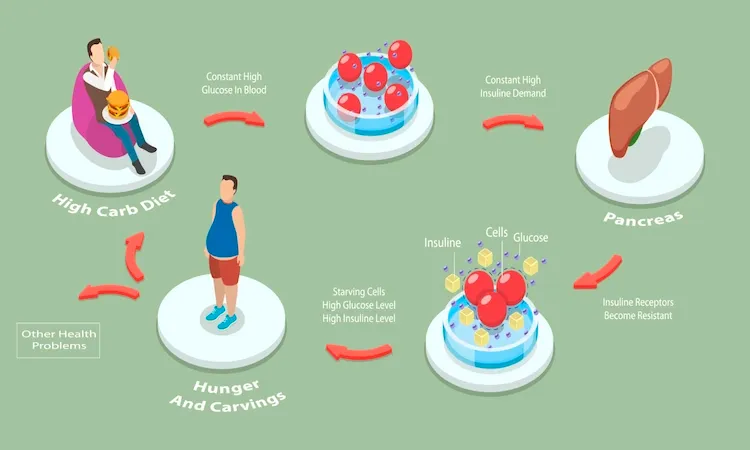
Insulin is the hormone that helps move glucose (sugar) out of the bloodstream and into cells, where it can be used for energy. It also helps store extra energy, both as glycogen (in liver and muscle) and as fat when storage is full.
Insulin also keeps things steady. After you eat, insulin rises to manage the rise in blood sugar. That’s the goal, stable energy and safe blood sugar levels.
Trouble starts with insulin resistance. In simple terms, it means your cells don’t respond as well to insulin, so your body needs to make more of it to get the same job done. Over time, higher insulin levels can make fat loss harder and cravings louder. For a clear medical explanation, see Cleveland Clinic’s insulin resistance guide.
The insulin connection, how chronic stress can lead to cortisol belly fat
When people talk about “cortisol belly fat,” it can sound like cortisol magically creates fat out of thin air. What’s more accurate is that chronic stress can shift your routine and your chemistry in ways that make fat gain more likely, especially around the abdomen.
Here’s the chain that often shows up:
Stress and short sleep push cortisol up more often. Cortisol helps make more fuel available, including glucose in your blood. Your pancreas responds by releasing insulin to bring that glucose down. If this happens day after day, it can support stress induced insulin resistance over time. Add in appetite changes and more ultra-processed “reward foods,” and it becomes easier to eat more than you planned without even noticing.
This is also why “eat less, move more” can feel unfair when stress is high. Your brain is trying to protect you. It turns up hunger, makes quick calories feel more tempting, and can make you feel tired while still wired.
None of this means stress is the only cause of belly fat. It’s one strong influence, and it often stacks with other factors like genetics, age, alcohol, and a diet heavy in liquid sugar and refined carbs.
Cortisol can raise blood sugar, even if you did not eat
One reason cortisol and insulin are linked is that cortisol can increase the amount of glucose available in your bloodstream. When your body senses stress, it may ask the liver to make sugar from other materials, like amino acids. That process is called gluconeogenesis. Think of it as your body making “emergency fuel” when it believes you might need it.
This gluconeogenesis stress mechanism is useful in true emergencies. But if your stress is constant, it can mean higher blood sugar even when meals are small, delayed, or skipped.
That’s why fasting or skipping meals can backfire for some people. If you’re already stressed, not eating for long stretches can feel like another stressor. Your body may answer with more cortisol, then more glucose, then more insulin later, especially if you end up overeating at night. Research on cortisol’s role in raising gluconeogenesis is discussed in a PubMed summary on cortisol and gluconeogenesis, and broader hormone effects on blood sugar regulation are covered in a review on glucocorticoids and glucose control.
High insulin makes it easier to store fat and harder to burn it
Insulin is not “bad.” You need it to live. The problem is the pattern.
Insulin is a strong storage signal. When insulin is higher, your body is more likely to store energy and less likely to release stored fat for fuel. That matters if insulin stays elevated for long periods, like frequent grazing, lots of liquid calories, or meals that spike blood sugar hard and fast.
Chronic stress can keep this loop running by raising cortisol, which raises the odds of higher blood sugar, which raises insulin. Over time, that combination can support belly fat storage, especially when sleep is short and activity drops.
A helpful way to think about it is this: cortisol helps put fuel in the bloodstream, insulin helps put fuel into cells. When both are called into action too often, your body can spend more time in “store mode” than you want.
Stress can change appetite, cravings, and where fat is stored
Stress doesn’t just change hormones in a lab sense, it changes behavior in real life. When you’re tense, your brain wants quick comfort and quick energy. That’s why crunchy, salty snacks and sweet foods feel extra rewarding after a hard day.
Sleep loss adds fuel to that fire. Many people feel hungrier, less satisfied after meals, and more drawn to sugar at night after a short night of sleep. They may also have less patience for cooking, which means more takeout and more ultra-processed foods.
Stress also seems to affect where fat is stored for some people, with more abdominal fat gain. That can include visceral fat, which matters for long-term health and metabolic syndrome causes like higher waist size, blood pressure, triglycerides, and blood sugar. The goal is not a flat stomach, it’s visceral fat reduction for better metabolic health, energy, and resilience.
Signs your stress and blood sugar are working against you (and what to rule out)
You can’t measure cortisol and insulin patterns just by “vibes,” but your day-to-day experience can offer clues that something is off. These patterns don’t diagnose anything, they just help you decide what to adjust and when to get support.
Common patterns people notice day to day
Many people describe a mix of energy swings and stubborn belly changes, such as:
- Afternoon crash that hits hard, especially after a carb-heavy lunch
- Strong cravings at night, even after eating “enough” earlier
- Waking around 3 a.m. and struggling to fall back asleep
- Tired but wired feeling, low energy but a busy mind
- Frequent snacking because you don’t feel satisfied after meals
- Big mood swings after sugary foods, like feeling great then irritable
- Stubborn belly fat, even when weight changes elsewhere
If several of these sound familiar, it often helps to zoom out. Look at sleep, meal timing, caffeine, alcohol, and how often you truly get a break during the day.
When it is smart to get medical input
Sometimes belly fat gain and fatigue have medical roots that need direct care. It’s smart to talk with a clinician if symptoms are severe, changing fast, or paired with things like high blood pressure, irregular periods, or sudden weakness.
Ask about contributors like thyroid conditions, PCOS, sleep apnea, depression or anxiety meds, steroid meds (like prednisone), and perimenopause or menopause. Labs and measures that might come up include fasting glucose, A1C, fasting insulin (if your clinician uses it), lipids, blood pressure, waist size, and sleep quality screening.
If you’re seeing social media talk about “cortisol diets,” it helps to read a grounded take like Stamford Health’s view on the cortisol diet trend.
A realistic plan to lower stress belly by improving cortisol and insulin habits
You don’t need a perfect routine. You need a repeatable one. Lowering stress belly usually comes from doing the basics, most days, without swinging between extremes.
Think of this as lowering the “stress load” on your system while smoothing out blood sugar spikes. That supports both cortisol rhythm and insulin sensitivity, and it supports visceral fat reduction as a health goal.
Build meals that keep blood sugar steady
Stable meals reduce big glucose swings, which reduces big insulin swings. The simplest approach is a flexible plate method:
- Protein: chicken, fish, Greek yogurt, beans, tofu, eggs
- Fiber-rich carbs: oats, beans, fruit, potatoes, brown rice, whole grains
- Healthy fats: olive oil, avocado, nuts, seeds
- Colorful plants: vegetables, berries, salad greens, salsa, frozen mixes
For many people, a protein-forward breakfast helps reduce late-night cravings. Others do fine with a lighter morning meal. Either way, watch liquid sugar. Sweet coffee drinks, soda, and juices can spike blood sugar fast without making you feel full.
If you’re stressed and busy, “good enough” wins. Rotisserie chicken, microwavable rice, bagged salad, and frozen veggies can still build a steady plate.
Move in a way that improves insulin sensitivity without adding more stress
Movement helps your muscles use glucose more effectively, which improves insulin sensitivity. It also burns off stress chemicals, which can make cortisol feel less sticky.
Start small and practical. A 10-minute walk after meals is one of the most overlooked tools for blood sugar control. Add 2 to 3 strength sessions per week (even 20 to 30 minutes) to build muscle, which acts like a bigger “storage room” for carbs.
Cardio helps, too, but more is not always better. If you’re already sleep-deprived and stressed, very intense training every day can raise your overall stress load. If your workouts leave you edgy, exhausted, and hungrier, try swapping one hard session for an easier walk, bike ride, or yoga class.
Sleep and stress skills that actually reduce cortisol load
Sleep is when your body resets the stress response. If you’re short on sleep, it’s like trying to clean your kitchen while you’re still cooking dinner.
A simple sleep checklist that supports cortisol rhythm:
- Keep a consistent wake time most days
- Make your room dark and cool
- Set a caffeine cutoff (often 8 hours before bed helps)
- Get morning light outside for 5 to 10 minutes
- Keep alcohol modest, it can fragment sleep even if you fall asleep fast
For stress relief, skip the complicated routines. Pick tools you’ll use on your worst day: 5 minutes of slow breathing, a short walk outside, a brain-dump journal page, nature time, or one clear “no” to protect your evening. Consistency beats intensity here.
If you want the belly to change, the nervous system has to feel safer first.
Conclusion
Cortisol belly fat isn’t a moral failure, it’s often a feedback loop. Chronic stress and poor sleep can keep cortisol higher, cortisol can raise blood sugar, and insulin rises to manage it. Over time, that pattern can support stress induced insulin resistance, increase cravings, and make belly fat, including visceral fat, easier to store.
The fix usually isn’t extreme dieting. It’s small habits that calm the system and steady blood sugar: balanced meals, doable movement, better sleep, and basic stress skills. If you want a next step that actually sticks, pick one change and run it for 7 days, like a 10-minute post-meal walk or a caffeine cutoff.
If your symptoms feel severe, come on fast, or seem medically complex, reach out for help and ask for a full evaluation. Your body isn’t broken, it’s reacting to what it takes in, including stress signals your cortisl lab results may point to.

Gas S. is a health writer who covers metabolic health, longevity science, and functional physiology. He breaks down research into clear, usable takeaways for long-term health and recovery. His work focuses on how the body works, progress tracking, and changes you can stick with. Every article is reviewed independently for accuracy and readability.
- Medical Disclaimer: This content is for education only. It doesn’t diagnose, treat, or replace medical care from a licensed professional. Read our full Medical Disclaimer here.