

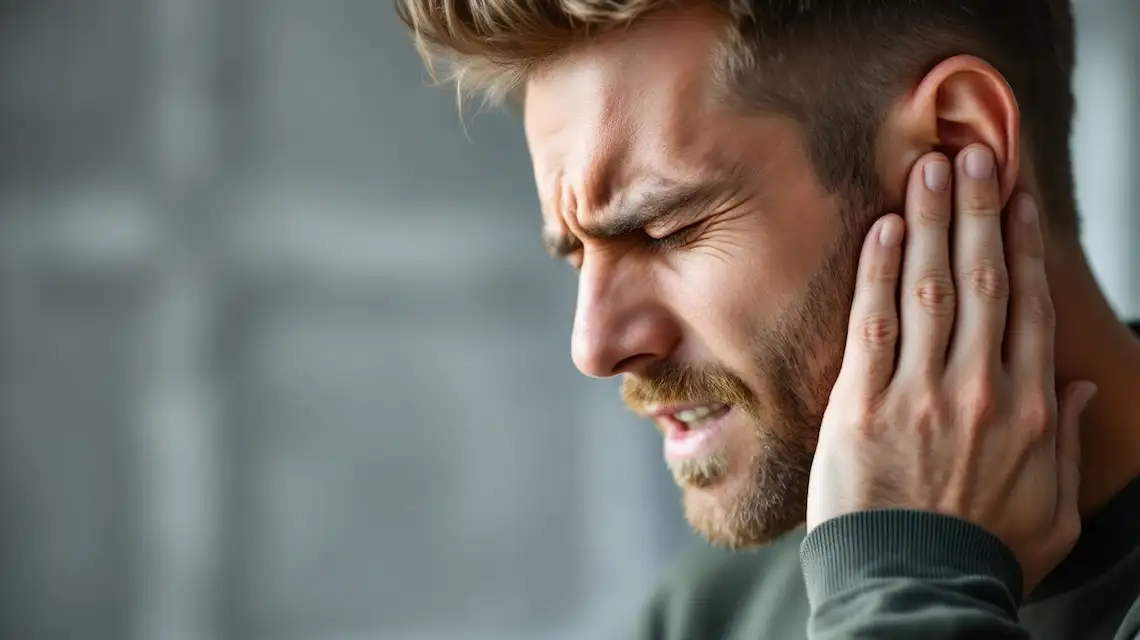
You finish a hard run, feel great, then hop on your phone. Within minutes, the ringing in your ears seems louder, sharper, harder to ignore. If that sounds familiar, you are not alone.
Tinnitus is a ringing or buzzing in the ears. It affects many people, and it often flares with stress, fatigue, and sensory overload. So, can too much screen time make your tinnitus worse after exercise? In short, yes, for some people it can, due to bright screens, neck and jaw tension, constant notifications, and higher arousal right after a workout.
Here is the twist. Exercise can help tinnitus by boosting blood flow, easing stress, and improving sleep. But scrolling right after training can undo those gains. Blue light, hunched posture, loud earbuds, and rapid-fire content can nudge your nervous system back into high alert.
This post will cover the basics first, what tinnitus is and why it changes after workouts. Then we will connect the dots between screens, posture, audio volume, and your nervous system. You will get simple tips to protect your ears, from cool-down habits to screen settings, so you keep the fitness benefits without the extra noise.
If you have wondered can too much screen time make your tinnitus worse after exercise, you are in the right place. You will learn what to watch for, when to ease off, and how to set routines that keep your ears calmer after you train. Let’s keep your progress, and quiet the ring.
What Is Tinnitus and How Does Exercise Help?
Tinnitus is a common issue where you hear ringing, buzzing, or hissing with no outside source. It can feel louder when you are tired, stressed, or overstimulated. Exercise often helps, but screens right after a workout can spike symptoms. The question can too much screen time make your tinnitus worse after exercise matters because timing and habits change how your ears react.
Common Causes of Tinnitus
Everyday triggers often stack up and make the ringing feel louder. The most common include:
- Loud sounds: Concerts, power tools, or loud earbuds can irritate the inner ear.
- Age-related hearing loss: As hearing fades, the brain may fill gaps with noise.
- High blood pressure: Stiff vessels reduce steady blood flow to the ear.
- Stress and anxiety: A tense nervous system makes the sound feel more intrusive.
Other factors add fuel, like earwax buildup, jaw or neck tension, certain medications, and poor sleep. These triggers can raise arousal, tighten muscles around the head and neck, and shift blood flow. The result is a louder, sharper, more persistent ring. A simple pattern helps: protect your ears from noise, manage stress, and keep blood pressure in check.
Why Exercise Eases Tinnitus Symptoms
Regular movement supports calmer ears. Light to moderate exercise improves circulation, which helps the inner ear get steady oxygen and nutrients. It releases endorphins that lower stress and ease muscle tension in the neck and jaw. It also supports better sleep and lowers anxiety, both linked to quieter tinnitus.
In surveys and clinical programs, about 60 to 70 percent of people with tinnitus report some symptom relief with consistent, moderate exercise. Think brisk walking, easy cycling, or yoga three to five days a week. Example: a 30-minute evening walk, plus 5 minutes of slow breathing, can leave the ring softer by bedtime.
Smart training keeps gains without flare-ups:
- Start with low-impact sessions and a steady pace.
- Hydrate, breathe through your nose when possible, and cool down.
- Keep earbud volume low.
- Try walking, swimming, or gentle yoga on high-stress days.
Build this routine first, then watch how screens after workouts affect your symptoms.

The Hidden Dangers of Too Much Screen Time on Your Ears
Screens can ramp up tinnitus fast, especially after a workout when your nervous system is still keyed up. Bright light, constant alerts, tight neck muscles, and late-night scrolling all stack up. If you have asked can too much screen time make your tinnitus worse after exercise, the short answer is yes for many people. Here is how screen time and tinnitus interact, plus simple fixes you can use today.
How Blue Light and Eye Strain Link to Tinnitus
Blue light from phones and tablets suppresses melatonin, which delays sleep and increases fatigue. Tired brains amplify internal noise, so the ring feels sharper and more intrusive. Eye strain adds fuel. Squinting at text and tracking fast video can trigger tension headaches and jaw clenching. That muscle tightness often radiates to the ears, which can mimic or boost the sound you hear.
Use the 20-20-20 rule to reduce strain. Every 20 minutes, look at something 20 feet away for 20 seconds. Lower screen brightness in the evening and switch to warmer color settings. If you watch videos after training, keep a healthy viewing distance and avoid late-night binges that push bedtime later.
Stress from Screens: A Tinnitus Trigger
Social feeds and nonstop notifications spike anxiety. That stress response raises cortisol, which can make tinnitus feel louder and harder to ignore. Large surveys report that many users, including teens and adults, say they feel addicted to their phones. When half a population reports addictive patterns, that means many millions spend long hours in a state of high alert.
Quick stress-relief ideas that help right away:
- Silence alerts for one hour after workouts.
- Breathe slower. Try a 4-second inhale and a 6-second exhale for two minutes.
- Do a brief body scan, then release your jaw and drop your shoulders.
- Take a 5-minute walk without your phone to reset arousal.
- Set app limits in the evening to protect sleep, since poor sleep can spike ringing the next day.
Consistent, simple steps keep screens from undoing your post-exercise calm.
Why Screen Time After Exercise Might Worsen Your Tinnitus
Yes, too much screen time post-exercise can make tinnitus worse. Workouts calm your system, but phones pull you back into tension. When you mix an endorphin high with bright light, noise, and neck strain, the ring can spike. If you have wondered can too much screen time make your tinnitus worse after exercise, the short answer is yes for many people.
The Post-Workout Recovery Window and Screen Habits
The first 30 to 60 minutes after a workout is a prime recovery window. Heart rate falls, cortisol drops, and the parasympathetic system takes over. Blood flow evens out, muscles start repairing, and your brain shifts toward calm. Screens interrupt that shift. Blue light delays melatonin, rapid scrolling taxes attention, and notifications raise arousal. Add poor lighting, earbuds turned up too loud, or dehydration, and tinnitus can feel sharper.
Protect that window with low-stimulation choices:
- Light stretching, breath work, or an easy walk
- A protein-rich snack and water or an electrolyte drink
- A warm shower and gentle neck mobility
- Reading a paper book or jotting notes about your session
Think of it as a cooldown for your nervous system, not just your muscles.
Real Stories: When Screens Undid Exercise Gains
Many people in tinnitus communities report a simple pattern. The gym helps, the phone hurts, especially right after the last set. They finish HIIT, sit down, and scroll for 20 minutes. The ring rises. Others notice a spike when they text in a dark locker room, with harsh overhead lighting, dry air, and tight neck posture.
Common threads show up again and again:
- High-intensity effort followed by instant scrolling
- Head-forward posture that tightens the jaw and neck
- Loud videos or music in earbuds while fatigued
- Dehydration that makes sounds feel sharper
- Late-night sessions that push sleep later
These stories point to the same fix. Guard the recovery window, lower sensory load, and rehydrate before you grab your phone. Small changes often bring fast relief.
Simple Tips to Protect Your Ears During Workouts and Screen Time
Protecting your ears is not complicated, but it does take intention. If you have asked can too much screen time make your tinnitus worse after exercise, the answer is often yes when habits stack up. Guard your recovery window, pick ear-friendly workouts, and set screen limits. Seek care quickly if tinnitus is sudden, one-sided, or paired with hearing loss, dizziness, or ear pain.
Best Exercises for Tinnitus Sufferers
Choose low-impact movement that keeps your neck, jaw, and nervous system calm. Great picks include swimming, easy cycling, walking, Wing Chu, yoga, and Pilates. Aim for a steady pace, not max effort. Keep intensity at a moderate level where you can talk in full sentences. Favor nasal breathing and a longer cooldown with gentle neck mobility.
If you are sensitive, limit HIIT, heavy power lifts, or high-impact plyometrics that jar the head and neck. Skip loud gyms or keep earbud volume low. Train on softer surfaces when possible. Short, frequent sessions beat long, brutal ones. The goal is consistent movement that lowers stress and supports sleep without spiking the ring.
Smart Ways to Cut Back on Screen Time
Give yourself a screen-free cooldown for 30 to 60 minutes after training. Set your phone to Do Not Disturb, leave it in another room, and drink water while you stretch. Track usage with built-in tools like Screen Time or Digital Wellbeing. Set app limits and a daily cap that fits your routine.
Reduce visual strain with blue light filters, warmer color settings, and lower brightness at night. Use the 20-20-20 rule during long sessions. Create no-screen zones in places where you recover, like the dining table or bedroom. Swap scrolling for simple hobbies that calm your system, such as journaling, reading a paperback, or light mobility work. If video is required, sit farther back and keep audio low. Small shifts stack up fast, and they help you keep your fitness gains without louder tinnitus.
Conclusion
Exercise can steady your nervous system, boost blood flow, and soften the ring. Screens right after a workout can flip that, with bright light, tight posture, loud audio, and stress that turn the volume back up. The fix is balance, protect your recovery window, lower sensory load, and keep sleep and hydration on track.
Start small. Give yourself 30 to 60 minutes screen free after training, stretch, breathe, rehydrate, and ease your neck and jaw. Use warmer display settings at night, keep volume low, and follow the 20-20-20 rule when you do use a device. Pick steady, low-impact sessions on busy days, then finish with a calm cooldown.
Track what helps. Note when your ears feel quieter and when they spike, then adjust one habit at a time. If tinnitus is sudden, one-sided, or paired with hearing loss, dizziness, or pain, book a medical check. An audiologist or ENT can rule out other causes and guide treatment.
Share your experience in the comments, what post-workout habits make the biggest difference for you. Or take a 10-minute screen-free walk today and see how your ears respond. The key question, can too much screen time make your tinnitus worse after exercise, has a clear answer for many people, yes, so set simple guardrails and keep your hard-won training gains.
Related post: Can Ringing in the Ears Give You Headaches?
FAQ:
Can too much screen time make tinnitus worse after a workout?
It can make it feel louder, but it does not cause tinnitus. After exercise, your nervous system is more alert. Screens can add eye strain, neck tension, and stress, which can raise awareness of the sound.
Why does my tinnitus spike right after I stop exercising?
Your heart rate, blood pressure, and breathing are still elevated. This can change blood flow near the ear and brain, which can make tinnitus more noticeable for a short time.
How does screen use add to that spike?
Post-workout, your body is overstimulated. Bright light, small text, and intense focus can push arousal higher. Neck and jaw tension while looking down at a phone can also feed the sound.
Is there proof that screens directly worsen tinnitus?
There is no strong evidence of a direct cause. Studies show stress, poor sleep, neck and jaw strain, and loud noise increase perception. Screens can contribute to those factors.
Are headphones after a workout a bigger risk?
Yes, if you turn up the volume. After exercise, you may prefer louder sound. Keep volume under 60 percent. Limit sessions to 60 minutes or less. Avoid noise in gyms that forces you to raise volume.
Could blue light make a difference?
Bright, cool light can delay sleep and raise alertness. That can increase tinnitus awareness, especially at night. Use night mode or lower brightness in the evening.
Does posture while using a phone matter?
Yes. Forward head posture and tight neck muscles can modulate tinnitus in some people. Keep the screen at eye level, relax shoulders, and avoid long looks downward.
I notice more ringing when I stare at screens after runs. Normal?
Common. Visual fatigue, dry eyes, and muscle tension can increase the perceived volume. It often settles within minutes to a few hours.
What quick steps help right after exercise?
- Cool down slowly, then wait 10 to 15 minutes before heavy screen use.
- Sip water, avoid caffeine until your heart rate settles.
- Do gentle neck and jaw stretches.
- Lower screen brightness, increase text size, and use dark mode if it helps.
What habits reduce screen-related spikes long term?
- Follow the 20-20-20 rule during screen time.
- Keep devices at eye level and use a chair with good support.
- Reduce notifications and turn off non-urgent alerts.
- Set a nightly screen cutoff 1 to 2 hours before bed.
Could my monitor or phone display type matter?
Some displays use brightness control that can flicker at low settings. Sensitive users report more eye strain. If you suspect this, raise brightness and dim the room, or try a different device.
Are tinnitus spikes from screens harmful?
A temporary spike usually is not harmful. It signals overload or tension. If spikes are frequent, adjust volume, posture, breaks, and sleep.
When should I worry and see a clinician?
Seek care if tinnitus is only in one ear, pulsatile, sudden in onset, linked to hearing loss, dizziness, severe headache, or ear pain. An audiologist or ENT can evaluate you.
Can hydration affect how loud it sounds?
Yes. Dehydration can worsen fatigue and headaches, which can raise perception. Drink water before and after workouts.
Do stress and sleep change how I hear the ringing?
Yes. Higher stress and poor sleep increase tinnitus awareness. Use wind-down time, regular sleep hours, and light activity to lower baseline stress.
Is white noise or sound therapy helpful after a workout?
Often. A low, steady sound can help your brain tune out the ringing. Keep it at a comfortable level, not loud enough to mask conversation.
Should I stop using screens after exercise altogether?
No. Use them wisely. Give yourself a short buffer, keep volume safe, sit tall, and set the display for comfort. Track what works for you and build a simple routine.
What if my tinnitus does not settle after cooling down?
If a spike lasts more than a day or worsens over time, get a hearing check. Persistent change can signal new hearing issues or other causes that deserve a look.

Gas S. is a health writer who covers metabolic health, longevity science, and functional physiology. He breaks down research into clear, usable takeaways for long-term health and recovery. His work focuses on how the body works, progress tracking, and changes you can stick with. Every article is reviewed independently for accuracy and readability.
- Medical Disclaimer: This content is for education only. It doesn’t diagnose, treat, or replace medical care from a licensed professional. Read our full Medical Disclaimer here.