

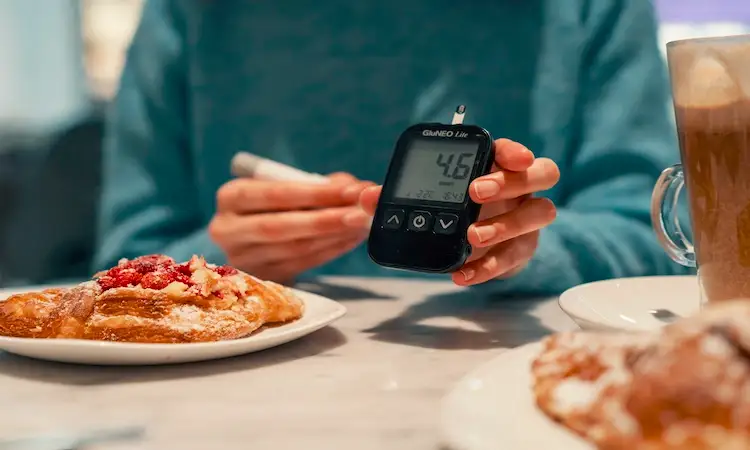
Ever eat breakfast, feel great for a moment, then crash hard before lunch? Maybe you get shaky, irritable, or suddenly “need” something sweet. That roller coaster can feel like a willpower problem, but it’s often a blood sugar control problem.
After you eat, your blood sugar (glucose) rises. That’s normal. The issue is when it rises fast and drops fast. Big swings can drain your energy, mess with your focus, and make cravings louder than your best intentions.
The good news is you don’t need an extreme diet or a perfect routine to manage blood sugar better. Small, proven changes in how you build meals, move your body, and protect your sleep can support steadier energy all day. Let’s make it practical.
Why blood sugar swings make you tired, hungry, and foggy
Glucose is your body’s main fuel. When it’s available at a steady pace, you tend to feel calm, clear-headed, and satisfied after meals. When glucose spikes and then drops, it can feel like someone pulled the plug on your brain and your mood at the same time.
Here’s the simple version. Carbs turn into glucose during digestion. Your pancreas releases insulin, a hormone that helps move glucose from your blood into your cells, where it can be used for energy or stored for later. When a meal is heavy in refined carbs or added sugar, glucose can hit your bloodstream quickly. Your body responds with a bigger insulin release to bring it down.
If that drop happens fast, you may feel hungry again soon, even if you ate plenty of calories. Many people describe it as a sudden “empty” feeling, shaky hands, or an urgent need to snack. That’s why glucose spikes can lead to overeating later in the day, especially in the afternoon and at night.
Blood sugar balance also gets harder when life is stressful. Poor sleep, high stress, and low activity can make your body less responsive to insulin. That can make stable glucose levels harder to maintain, even if you’re eating “pretty healthy.” For a clear medical overview of insulin resistance and how it affects the body, see Cleveland Clinic’s explanation of insulin resistance.
What a spike and crash looks like in real life
Picture this breakfast: a sweet coffee and a pastry (or a bowl of sugary cereal with a glass of juice). It tastes good, it’s quick, and it can feel like an instant mood lift.
Within 20 to 40 minutes, glucose rises fast. You might feel more awake, even a bit wired. Then insulin surges to clear that glucose from the blood. One to three hours later, you’re slumping. You’re thinking about snacks. Your patience is thin. Your brain wants the fastest fix, which usually means more sugar or refined carbs. That’s how the cycle repeats.
Common signs you’re riding the spike-crash loop:
- Energy dip about 1 to 3 hours after eating
- Headache or “hangry” irritability
- Cravings for sweets or salty crunchy snacks
- Trouble focusing or feeling foggy
- Feeling hungry even after a full meal
These signs don’t diagnose anything, but they’re useful feedback. They tell you which meals may need a small upgrade.
Insulin sensitivity, and why it matters for steady energy
Insulin sensitivity means how well your body responds to insulin. When you’re more insulin sensitive, a smaller amount of insulin does the job of moving glucose into cells. That usually supports steadier energy and fewer cravings.
When insulin sensitivity is lower, your body needs more insulin to get the same result. Over time, that can make glucose spikes more common. Many things influence insulin sensitivity, including muscle mass, regular movement, sleep quality, stress levels, and how often you eat added sugars and refined carbs. The science summary from the National Institute of Diabetes and Digestive and Kidney Diseases on insulin resistance and prediabetes is a helpful reference if you want more background.
The point for everyday life is simple: the goal isn’t to “avoid carbs forever.” It’s to help your body handle carbs better, so your energy doesn’t bounce around.
Build meals that keep glucose steady without feeling deprived
If you want better blood sugar control, start with meal structure, not restriction. Think of your meal like a campfire. Paper burns fast (refined carbs), logs burn slow (fiber and protein). You don’t have to ban paper, you just don’t want it to be the whole fire.
A steady-energy meal usually includes three things: protein, fiber, and a source of fat. This combo slows digestion, helps you feel full, and tends to reduce glucose spikes. It also makes meals more satisfying, which matters if you’re trying to avoid random snacking later.
If you like simple visual rules, try this plate idea most days:
- Half the plate: nonstarchy veggies (greens, peppers, broccoli, tomatoes, cucumbers)
- A quarter: protein (eggs, chicken, tofu, Greek yogurt, fish, beans)
- The last quarter: carbs (rice, potatoes, fruit, bread, oats), ideally higher-fiber options
- Add a little fat (olive oil, avocado, nuts, cheese) for staying power
For more food-based guidance from a mainstream medical source, Harvard’s overview of healthy eating for blood sugar control aligns well with these practical basics.
Use the “protein, fiber, healthy fat” combo to slow digestion
You don’t need to count macros to manage blood sugar. Use hand-size cues instead.
Aim for:
- A palm of protein at meals (or two palms if you’re very active)
- At least one fiber food (veggies, beans, lentils, chia, berries, oats)
- A thumb of healthy fat (nuts, nut butter, olive oil, avocado)
Why it works: protein and fiber slow how fast food leaves your stomach and enters the bloodstream as glucose. Healthy fats help with fullness and can reduce the urge to snack soon after eating.
Try a few easy swaps (pick the ones that fit your life):
- Add eggs or cottage cheese to toast instead of jam-only toast.
- Choose plain Greek yogurt and add berries, cinnamon, and nuts.
- Use beans or lentils in soups, tacos, or salads to add fiber and protein.
- Add avocado or olive oil to meals that feel “too light.”
- Pick whole fruit instead of juice (juice hits fast, fruit comes with fiber).
- When you want carbs, choose higher-fiber ones like oats or brown rice more often.
- If you eat cereal, look for higher-fiber options and add protein (milk, yogurt, or a side of eggs).
None of this has to be perfect. Even one swap at breakfast can change how you feel at 11 a.m.
Simple meal ideas and snack swaps that prevent a sugar crash
Real life includes meetings, school drop-off, drive-thrus, and days when cooking is a hard no. The goal is sugar crash prevention, not gourmet meals.
A few realistic options:
Breakfast (including busy mornings)
- Overnight oats made with milk or yogurt, chia seeds, and berries.
- Two eggs plus a slice of whole-grain toast and fruit.
- Grab-and-go: a protein shake plus an apple and a handful of nuts.
Lunch (including eating out)
- Big salad with chicken or tofu, beans, and olive oil dressing, add a side of soup if you need more.
- Burrito bowl: rice (small scoop), beans, fajita veggies, protein, guac, salsa.
- Turkey or hummus sandwich on whole-grain bread, add a side of veggies.
Dinner
- Stir-fry veggies with chicken, shrimp, or tofu, serve over a smaller portion of rice.
- Taco night: use beans plus meat or tofu, pile on veggies, keep chips as a side, not the base.
- Sheet-pan meal: sausage or salmon with roasted veggies and potatoes (portion the potatoes, don’t fear them).
Snack choices (3 steady options)
- Greek yogurt with cinnamon.
- Apple slices with peanut butter.
- String cheese plus baby carrots.
If you tend to snack because you’re “not really hungry, just tired,” that’s a clue to strengthen lunch with more protein and fiber, not to rely on willpower at 3 p.m.
Daily habits that improve blood sugar control even if your diet is not perfect
Food matters, but your daily rhythms matter too. Movement, sleep, and stress can shift how your body handles glucose. That’s why two people can eat the same lunch and feel very different afterward.
Think of blood sugar control like steering a car. Meals are the steering wheel, but sleep and stress are the road conditions. You can still get where you’re going, but you’ll do it smoother with traction.
Hydration helps as well. Mild dehydration can make you feel tired and snacky, which can lead to more added sugar. Start with water at meals, and keep a bottle nearby if you forget to drink.
Timing can help too. If you go from 7 a.m. to 1 p.m. on coffee alone, your first real meal often turns into a fast, carb-heavy choice. A protein-forward breakfast (even small) can reduce cravings later, especially for sweets.
For a research-based look at lifestyle habits that support diabetes management (many apply to general glucose support too), see this review on evidence-based lifestyle habits in diabetes care.
Move after you eat, and use short workouts to smooth out spikes
Your muscles are like a glucose sponge. When you move, muscles pull glucose from the blood to use as fuel. That’s one reason a short walk after meals can support stable glucose levels.
A 10 to 20-minute walk after lunch or dinner is a strong “effort-to-reward” habit. It doesn’t need to be fast. It just needs to happen. Cleveland Clinic explains the basics in how walking after eating impacts your blood sugar.
If walking isn’t an option, try:
- Light housework for 10 minutes (dishes, tidying, vacuuming)
- Gentle cycling
- Marching in place during a show
- Chair-based movement or light resistance bands
A simple weekly plan (start small):
- 2 strength sessions per week (20 to 30 minutes, full-body)
- Add a third session when it feels doable
- Aim for daily steps, and add a short post-meal walk most days
Strength training matters because muscle improves insulin sensitivity over time. You don’t have to lift heavy. Consistent matters more than intense.
Sleep, stress, and caffeine: the hidden triggers for cravings
Ever notice cravings feel louder after a short night? That’s not in your head. Poor sleep can change hunger hormones and make stress feel sharper, which can push you toward quick-energy foods. Stress hormones can also raise blood sugar, even without food, which can set up a crash later.
Try these practical steps:
- Keep a steady bedtime and wake time most days.
- Get morning light within an hour of waking, even for 5 minutes.
- Eat protein at breakfast, it often reduces late-day cravings.
- Set a caffeine “curfew” (many people do better stopping 8 hours before bed).
- Use a 2-minute breathing reset (slow inhale, longer exhale) before meals or when cravings hit.
For stressful days, use a simple plan: eat a balanced lunch, take a 10-minute walk, drink water, and choose an early, protein-rich dinner. Stress won’t disappear, but your glucose swings can calm down.
Conclusion
Stable energy isn’t about perfection. It’s about fewer big swings, so your body isn’t forced into constant emergency snacking. If you want better blood sugar control, focus on the basics that stack up fast:
- Build meals with protein, fiber, and healthy fat
- Choose snacks that actually satisfy, not just spike
- Move for 10 to 20 minutes after meals when you can
- Protect sleep with a steady schedule and earlier caffeine
- Use small stress tools to reduce craving-driven choices
If you’re on diabetes meds, pregnant, or you have frequent dizziness, fainting, or severe symptoms, talk with a clinician for personalized guidance.
For the next 7 days, upgrade one meal (breakfast usually makes it easiest), and take one short walk after you eat each day. These small shifts support steadier energy and better days, with help from your glucose hub.

Gas S. is a health writer who covers metabolic health, longevity science, and functional physiology. He breaks down research into clear, usable takeaways for long-term health and recovery. His work focuses on how the body works, progress tracking, and changes you can stick with. Every article is reviewed independently for accuracy and readability.
- Medical Disclaimer: This content is for education only. It doesn’t diagnose, treat, or replace medical care from a licensed professional. Read our full Medical Disclaimer here.