

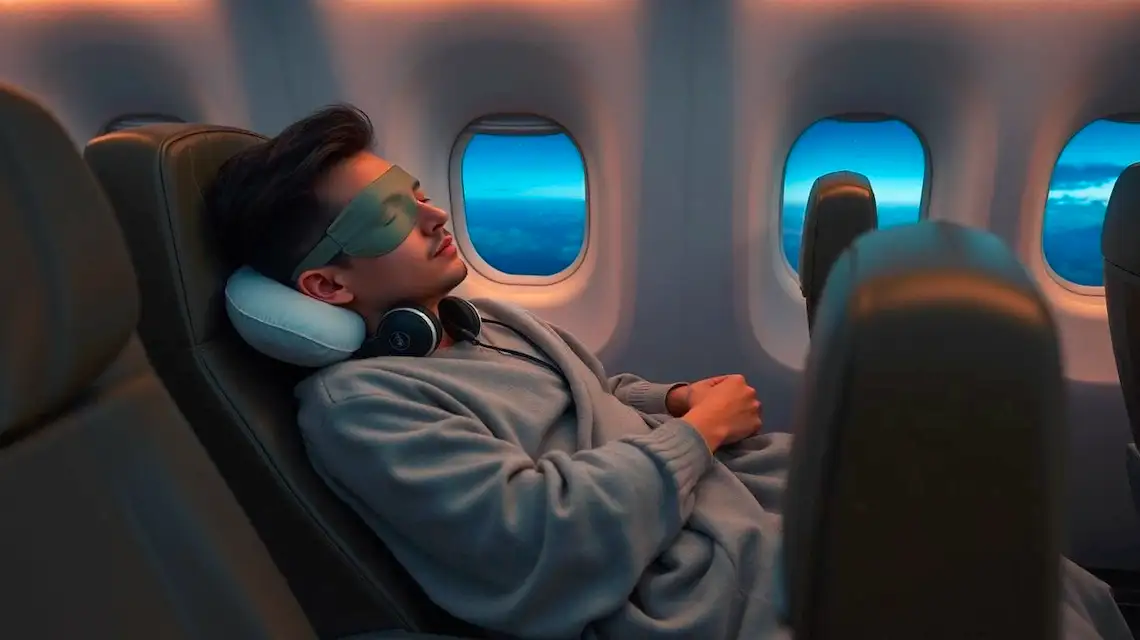
Trying to sleep upright feels like balancing a bowling ball on a toothpick. The good news, you do not need pills or a miracle. You need a plan. In this guide, you will get the best ways to sleep on plane without fancy gadgets or first class. The focus is simple, practical steps anyone can use on red-eyes, long-haul, or short hops. We will cover prep you can do today, smarter seat and gear choices, and a calm in-flight routine that cues your body to rest. Keep it light, keep it repeatable, and keep your eyes on landing refreshed.
A few of these ideas are backed by sleep experts and travel pros.
Smart pre-flight prep that makes sleeping on a plane easier
Pick the right flight and seat for sleep
Book an overnight flight when you can. Matching your normal bedtime makes falling asleep simpler. Aim for a window seat, it gives you a wall for head support and shields you from aisle bumps. Skip the last rows, galley and lavatory areas, and any seats near bassinets. Over the wing feels steadier in light chop, which can reduce micro-awakenings. Bulkhead seats have extra legroom, but you may lose under-seat storage. Exit rows can be roomier, but armrests may be fixed, which can limit comfort.
Pack a small sleep kit that actually helps
Keep it compact. Bring a contoured eye mask, foam or silicone earplugs, a light scarf or hoodie, and a thin travel pillow or inflatable neck pillow. Add a lightweight blanket or large scarf, compression socks, lip balm, and a refillable water bottle. Download a white noise playlist or app, and save a few relaxing tracks for offline listening. Your goal is to block light and noise, support your neck and lower back, and stay warm without bulk.
Eat, drink, and time caffeine for better rest
Grab a light meal with protein and complex carbs before boarding. Think yogurt and granola, or rice with chicken and veggies. Limit alcohol to one drink, or skip it. Stop caffeine 6 to 8 hours before your flight. Start hydrating the day before, then sip water steadily. At the airport, swap coffee for warm herbal tea to set a sleepy tone.
Shift your body clock before takeoff
Set your watch to your destination at the gate. Move your sleep and meal times by 1 to 2 hours the day before. If flying east, get bright light early in your morning. If flying west, block bright light in the late evening. Some travelers ask about melatonin. If you consider it, stick to a low dose and only with your doctor’s advice.
Seat and gear choices that turn economy into a sleep zone
Window vs aisle, and where to sit for the least noise and bumps
Window seats win for stability and fewer interruptions. You have a surface for your head and control of the shade. Aisle seats let you stretch a leg, but you will deal with carts and neighbors. Avoid the middle if you can. For noise, cabins are often quieter forward of the engines on many jets. For a smoother feel, pick seats over the wing where the plane flexes less.
Transform Your Sleep Tonight! Discover the power of our Breathing for Sleep
Build comfort with pillows, layers, and support
Create a stable head rest. Place a travel pillow against the window or a sweater bundled as a wedge so your head does not bob. Add a small lumbar roll using a hoodie or blanket to support your lower back. Dress in layers, since cabins run cool. If you use a footrest, keep knees below hips, and never block the aisle. Avoid crossing legs for long periods to reduce hip and knee strain.
Block light and noise for deeper sleep
Light and sound are your main enemies. Earplugs work well, noise-canceling headphones help with engine roar, and pairing them can be powerful in loud cabins. Choose a contoured eye mask that does not press on your lashes. Play white or pink noise at low volume. Dim or turn off your seat-back screen, set the brightness to the lowest level, or close it altogether to avoid blue light.
You can cross-check these basics with Casper’s overview of sleep aids and sound options in 15 science-backed tips for sleeping on a plane.
What to do with your bag and belt so you are not disturbed
Free your legroom. Stow your larger bag overhead. Keep only a small pouch with water, your mask, earplugs, and phone within reach. Buckle your seatbelt over your blanket, not under it. That way crew can see it is fastened during turbulence checks, and you are less likely to be woken.
Best ways to sleep on plane during the flight: a simple routine
Wind down like at home, then power off screens
Start 20 to 30 minutes before you want to sleep. Take a quick bathroom break. Brush your teeth and do a light face wash to cue bedtime. Put on your hoodie and warm socks. Dim your window shade. Set your phone to airplane mode, turn on night mode, and set a gentle alarm for wake-up. If you do not want food, let the crew know to skip your meal so you are not disturbed.
Use quick sleep techniques that calm your body
You do not need a 20-minute meditation. Try 2 to 5 minutes of simple breathing. Use 4-7-8 breathing, inhale for 4, hold for 7, exhale for 8. Or do a slow body scan from feet to head, relaxing each muscle group. Counting breaths to 100 also works. Soften your jaw. Drop your shoulders. Let your tongue rest on the floor of your mouth.
Find a safe sleep position and avoid aches
Recline slightly when allowed, a small angle takes pressure off your spine. Support your lower back with a rolled sweater or pillow. Rest your head toward the window with your pillow to reduce neck strain. Keep feet flat or lightly supported. If you wake, do small ankle circles every 30 to 45 minutes to keep blood moving. Wear compression socks on long flights to reduce swelling.
Stay polite and safe while you rest
Recline with care, check behind you before moving the seat. Keep a water bottle handy for small sips. If you feel unwell or dizzy, use the call button. If the cabin wakes you, take one cycle of calming breath, then try again. Small resets beat fighting for sleep.
Conclusion
Sleep on a plane gets easier with a plan. Start with smart prep, choose a seat that supports your head, then build a simple routine you can repeat. These are the best ways to sleep on plane without stress or pills, just steady steps that work together. Try them on your next trip, save this checklist, and see how your body responds. Thanks for reading, and safe travels with more rest and less guesswork.
Related post:
- Top 5 Tips for Better Sleep
- How to Sleep Better in an Uncomfortable Bed
- Can We Sleep With Contact Lenses?
Best Ways to Sleep on Plane FAQs:
What’s the best seat for sleeping?
Pick a window seat so you have a wall to lean on and no one bumps you. Aim for seats away from galleys and bathrooms to cut noise and light. Over the wing feels steadier in turbulence. If you can, choose premium economy for more legroom.
How should I time sleep on a red-eye?
Sleep after the first service, not during takeoff. Set your watch to the destination before boarding and try to match that schedule. Skip the movie if it steals your first sleep window.
Is it better to eat before or during the flight?
Eat a light meal 2 to 3 hours before boarding. On the plane, choose simple foods with protein and complex carbs, like chicken and rice. Avoid heavy meals that cause reflux when reclined.
Should I use melatonin or sleep aids?
Melatonin can help with time zone shifts. Typical doses range from 0.5 to 3 mg, taken 30 to 60 minutes before sleep. Avoid prescription sleep meds unless your doctor approves. Never mix sedatives with alcohol.
Do alcohol and caffeine help or hurt?
Alcohol might make you drowsy, but it fragments sleep and dehydrates you. Caffeine blocks deep sleep for hours. Stop caffeine 6 to 8 hours before boarding. If you drink, limit to one, then switch to water.
What gear actually helps?
Bring a supportive neck pillow that keeps your chin from tipping forward. Use foam earplugs and a contoured eye mask. Wear warm socks and a soft hoodie. Pack a light scarf for drafts. A small inflatable footrest can help on long flights.
How do I handle light and noise?
Dim screens and turn on a blue light filter 2 hours before sleep. Use earplugs under noise-canceling headphones for a double layer. Play brown noise or a calm playlist at low volume.
What’s the best pre-flight routine?
Hydrate during the day, not just at the gate. Move your body, even a brisk walk, to reduce restlessness. Check in early and pick a sleep-friendly seat. Board with a full water bottle.
How should I dress for sleep on a plane?
Dress in layers since cabins run cool. Choose soft, stretch fabrics and avoid tight waistbands. Slip-on shoes with compression socks keep feet warm and reduce swelling.
Is reclining OK?
Recline slowly after the meal service and avoid sudden movements. Check behind you first. If the person behind is tall, a quick polite heads-up avoids conflicts.
Where should I put the seatbelt while sleeping?
Buckle it over your blanket so crew can see it. They won’t wake you during turbulence checks if it’s visible.
How do I sleep through turbulence?
Choose a seat over the wing for a smoother ride. Keep your belt fastened, rest your head to the side, and focus on slow nasal breathing. A snug neck pillow reduces head bobbing.
Can I sleep well in the middle seat?
It’s tougher, but not impossible. Use a U-shaped pillow that blocks side lean, plus a footrest to tilt your hips. Ask for an armrest share, then set clear boundaries with a gentle smile.
How do I avoid neck pain?
Keep your head aligned with your spine. Use a pillow that supports under the chin, not just behind the neck. Place a rolled hoodie at the small of your back to support your lumbar curve.
What about jet lag on long-haul flights?
Shift your sleep by 30 to 60 minutes per day, starting 2 to 3 days before travel. Get daylight at the right times after landing. Short naps under 30 minutes help on day one, then hold your target bedtime.
Are aisle or window seats better for sleep?
Window seats win for sleep since you control light and movement. Aisle seats offer leg freedom but more bumps from carts and passengers. If you must take an aisle, use a narrower pillow and tuck in elbows.
Should I use the provided pillow and blanket?
They’re fine as extras, but bring your own for hygiene and support. Airline pillows are often too flat. Layer them at your lower back or under elbows instead of your neck.
How much water should I drink?
Cabin air is dry, so sip 6 to 8 ounces every hour while awake. Avoid chugging right before sleep to cut bathroom trips. Add an electrolyte tablet if you’re prone to cramps.
Any screen time rules?
Stop shows and games 45 minutes before sleep. Read on an e-reader with warm light, or listen to an audiobook. Set devices to airplane mode to reduce notifications.
What if the person next to me snores or talks?
Use earplugs plus noise-canceling headphones. A light nudge and a friendly smile can end minor seat encroachments. If noise is constant, ask a flight attendant about a seat change once boarding settles.
How do I keep feet from swelling?
Wear knee-high compression socks. Flex and point your toes every 30 minutes. Avoid crossing legs. A small footrest or bag under your feet tilts hips and eases pressure.
Are sleep masks worth it?
Yes, a contoured mask that doesn’t press on your eyelids helps a lot. Blackout masks block cabin lights and early sun on morning arrivals.
Can I sleep during takeoff and landing?
It’s safer to stay alert, belt snug, seat upright. Pressure changes can affect ears, so wait until the plane levels off to nap.
What’s the best way to plan a nap on daytime flights?
Aim for one 20 to 30 minute nap, not late in the flight. Set an alarm. Keep naps short to avoid grogginess on landing.
Any quick routine once I’m seated?
- Wipe armrests and tray, then set up your space
- Buckle over your blanket
- Earplugs in, mask ready, pillow set
- Sip water, snooze playlist on, screens dimmed
What should I skip to sleep better?
Skip last-minute double espressos, heavy meals, and spicy foods. Avoid new pills you haven’t tested at home. Save long chats and work for after your first sleep window.

Gas S. is a health writer who covers metabolic health, longevity science, and functional physiology. He breaks down research into clear, usable takeaways for long-term health and recovery. His work focuses on how the body works, progress tracking, and changes you can stick with. Every article is reviewed independently for accuracy and readability.
- Medical Disclaimer: This content is for education only. It doesn’t diagnose, treat, or replace medical care from a licensed professional. Read our full Medical Disclaimer here.