

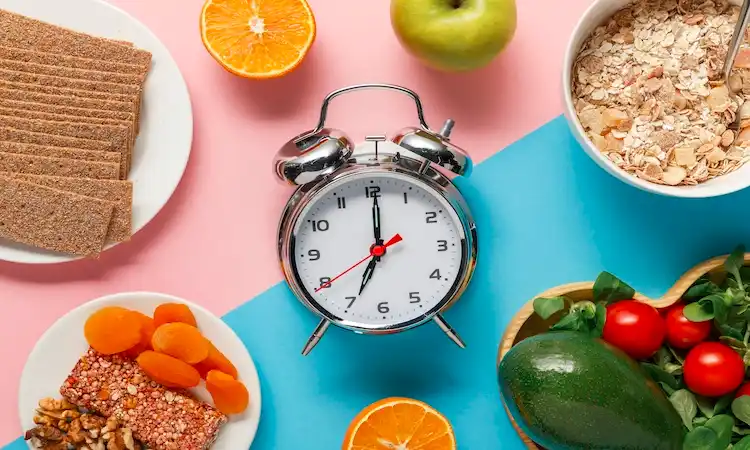
If you’ve ever felt like the same dinner hits differently at 6 pm than it does at 10 pm, you’re not imagining it. Chrononutrition is the idea that when you eat should match your body’s internal clock. It’s not a new diet, and it’s not about “perfect” eating. It’s a timing strategy that can support steadier energy, fewer cravings, better glucose control, and weight goals.
The tricky part is that the “right” schedule has to fit real life. Your job, your family, your workouts, and your sleep all matter. Still, most people do better when they eat earlier in the day and keep late calories lower, especially on most weekdays.
One important note before you change your routine: if you’re pregnant, have a history of eating disorders, or take medications that affect blood sugar (like insulin or sulfonylureas), talk with a clinician for personalized advice.
Chrononutrition basics: how circadian rhythm changes the way you use food
Your body runs on a 24-hour timing system called the circadian rhythm. Think of it as a conductor that helps coordinate hormones, digestion, body temperature, and sleep. Light is the loudest signal for this clock, but food timing also acts like a “daily reminder” for your metabolism.
Here’s the practical takeaway: your body doesn’t handle food the same way at all hours. Many metabolic processes are more “daytime-friendly,” including how well you manage blood sugar after meals. That’s one reason chrononutrition is often described as a circadian rhythm diet approach, not because it changes foods, but because it changes timing.
Researchers are still mapping the details, but the broad pattern is consistent: eating aligned with your active hours tends to support metabolic health, while frequent late-night eating can work against it. For a plain-English explainer of the concept, see the Society of Behavioral Medicine’s overview on chrono-nutrition and circadian rhythm.
Chrononutrition doesn’t require fasting, and it doesn’t require breakfast if breakfast makes you miserable. What it asks is simpler: keep meals in a consistent daily “zone,” and avoid making nighttime your main eating period.
Morning vs evening metabolism: insulin sensitivity, glucose control, and appetite cues
In many people, insulin sensitivity is higher earlier in the day. That means your body often moves glucose from your bloodstream into your cells more efficiently after breakfast or lunch than it does late at night. So if you eat a big, carb-heavy meal late, the glucose rise may be higher and last longer than it would earlier.
Appetite cues often shift as the day goes on, too. Hunger can feel louder at night for several reasons: stress after work, decision fatigue, habit, and even the simple fact that people finally stop moving and sit down. Add screens and a tired brain, and it’s easy to graze past fullness.
None of this means carbs are “bad at night.” It means that if glucose control is a goal, placing more carbs earlier (and pairing them with protein and fiber) often feels easier on the body.
Why late-night eating can feel like it “sticks” (and what’s really happening)
Late-night eating tends to backfire for boring, predictable reasons, not because you lack willpower.
At night, portions drift up. Food choices skew more ultra-processed, like chips, sweets, takeout, and “just a little” ice cream. People also move less after dinner, so there’s less muscle activity to help use circulating glucose. Sleep can get shorter or lighter, especially if dinner is heavy or close to bedtime.
Then the loop closes the next day. Poor sleep can increase hunger and cravings, making breakfast feel urgent or making you chase quick energy all morning. Controlled research has found late eating can increase hunger and reduce calories burned in measurable ways, summarized in this report on late eating and hunger changes. The pattern is common: late dinner, worse sleep, hungrier tomorrow, repeat.
Best time to eat for metabolism: a simple daily schedule most people can follow
Forget the idea that there’s one magic hour when your body “burns” food best. A useful schedule is one you can repeat, even when life gets messy. For most people, the best time to eat for metabolism is earlier than they’re doing now, with a clear taper toward evening.
A beginner-friendly framework looks like this:
- Eat your first meal within a consistent 1 to 2-hour window most days.
- Make breakfast and lunch do the heavy lifting for protein, fiber, and calories.
- Keep dinner satisfying but lighter, and stop eating with enough time to wind down for sleep.
That’s it. No perfection required. If you miss the timing one day, don’t “make up” for it by skipping meals the next. Just return to your usual rhythm.
Here’s one sample day that works for many 9-to-5 schedules:
- 7:30 am: Breakfast
- 12:30 pm: Lunch
- 3:30 pm: Planned snack (optional)
- 6:30 pm: Dinner
- After dinner: Calorie-free drinks only (water, tea)
This structure builds in an overnight break from food that many people naturally get when dinner ends earlier.
Start your eating window earlier, then stop earlier (without going to bed hungry)
An “eating window” is simply the time between your first and last calories. Moving that window earlier often helps because it lines up with active hours and gives your body time to digest before sleep.
Try one of these timing options, based on your life:
- Early riser: First meal around 6:30 to 7:30 am, last meal around 5:30 to 6:30 pm.
- Typical 9-to-5: First meal around 7:30 to 9:00 am, last meal around 6:30 to 8:00 pm.
- Later shift: First meal later, but still aim to finish your last meal 2 to 3 hours before sleep when you can.
If you’re thinking, “If I stop early, I’ll be starving at bedtime,” that’s usually a meal composition issue, not a character flaw. A dinner with enough protein, fiber-rich carbs (beans, vegetables, whole grains), and healthy fats tends to hold better than a light snack plate.
Build the day around a strong breakfast and lunch, then a lighter dinner
Most people do well when earlier meals are more substantial. It’s like loading a backpack at the start of a hike instead of waiting until you’re exhausted on a steep hill.
A simple way to build meals:
- Protein at every meal helps steady hunger (eggs, Greek yogurt, chicken, tofu, beans).
- Fiber shows up early to support fullness and glucose control (berries, oats, lentils, veggies).
- Carbs earlier if helpful, especially around active hours, while keeping dinner carbs moderate if late-night cravings are an issue.
Quick examples that fit this style (no recipes required):
Breakfast could be eggs with fruit, Greek yogurt with oats and berries, or a breakfast burrito with eggs and beans. Lunch could be a big salad with chicken and beans, a turkey sandwich with veggie soup, or rice with salmon and roasted vegetables. Dinner can still be real food, just a bit lighter: a stir-fry with tofu and vegetables, chili with a side salad, or rotisserie chicken with microwaved veggies and olive oil.
If you want more background on why timing matters for metabolic health, this overview of chrononutrition and metabolic timing gives helpful context.
Popular meal-timing strategies, and who they work best for
Meal timing strategies work best when they match your appetite patterns and your calendar. Consistency beats perfection here. If a plan makes you skip family dinners or triggers rebound snacking, it won’t last long enough to help.
Two common approaches show up in chrononutrition research and real life: time-restricted eating and workout nutrient timing. Both can work, and neither is mandatory.
Time-restricted eating: what an 8 to 12 hour window looks like in real life
Time-restricted eating means you eat your daily calories within a set window (often 8 to 12 hours), then have only non-calorie drinks outside that window.
Two realistic examples:
- 7:00 am to 3:00 pm (early window)
- 9:00 am to 5:00 pm (midday window)
Evidence reviews have linked time-restricted eating with improvements in some metabolic markers, especially when the window is earlier. A deeper research-focused read is available in Endocrine Reviews on time-restricted eating.
| Pros (why people like it) | Cons (why it’s hard) |
|---|---|
| Simpler rules, fewer late snacks | Social dinners can become awkward |
| Often improves evening reflux and sleep | Can backfire if it leads to overeating inside the window |
| Helps some people notice true hunger | Not ideal for everyone (pregnancy, some meds, ED history) |
Nutrient timing for workouts: when to eat if you train in the morning or evening
If you train hard, timing can support performance and recovery without turning into a math project.
For morning workouts, a small snack can help if you wake up hungry or lightheaded. Think half a banana with peanut butter, a yogurt, or toast. After training, get protein and carbs at breakfast.
- Strength example: pre-workout yogurt (optional), post-workout eggs plus oats.
- Cardio example: small banana before, then a full breakfast with Greek yogurt and fruit.
For evening workouts, the challenge is avoiding a huge late dinner. If you lift at 6:30 pm, make lunch bigger and add an afternoon snack, then keep dinner simple but protein-forward.
- Strength example: solid lunch, 4:30 pm snack, then post-workout dinner like chicken and veggies with a modest carb portion.
- Cardio example: similar structure, with dinner that won’t sit heavy before bed.
Make it work in the real world: travel, shift work, and cravings after dark
Perfect meal timing is a myth. Airports, deadlines, kids’ sports, and late meetings happen. The goal is to keep a few “guardrails” so one weird day doesn’t turn into a weird month.
Late-night eating is also common because nights are when many people finally get quiet time. If food has become the reward, you’ll need replacement habits, not stricter rules.
If your schedule is late or changing, use “anchors” instead of perfect timing
Anchors are repeatable points you can keep steady even when the clock changes:
- First meal anchor: roughly the same time after waking.
- Biggest meal anchor: earlier in your active period.
- Last meal anchor: lighter, and not right before sleep when possible.
For shift workers, “earlier” might not mean morning, it means earlier in your wake period. Keep the last meal smaller and protect sleep as much as you can. If you’re curious about how eating later relates to glucose patterns, this paper on later eating timing and glucose metabolism explores timing relative to an internal clock.
How to cut late-night snacking without feeling deprived
Late snacking usually has a cause. Solve the cause, and the snacking gets easier.
Try this short checklist this week:
- Plan a real afternoon snack (protein plus fiber) so dinner doesn’t turn into a rescue mission.
- Eat enough protein at dinner, so you don’t feel “snack hungry” at 9 pm.
- Do a kitchen “close” routine: tidy, set coffee for tomorrow, turn off bright lights.
- Brush your teeth earlier, it creates a clear stop signal.
- Swap the hand-to-mouth habit with herbal tea or sparkling water.
- Ask a quick pause question: “Am I hungry, or am I tired, stressed, or bored?”
Sometimes a small bedtime snack is fine, especially if it helps sleep or prevents overnight blood sugar dips. Keep it small and balanced, like plain yogurt, a kiwi plus a few nuts, or whole-grain toast with a thin layer of nut butter.
Conclusion
Chrononutrition is simple at its core: your body clock affects glucose control, hunger, sleep, and how your body handles late calories. You don’t need a perfect schedule, but you do need a repeatable one that puts more food earlier and less food late.
Try a 7-day experiment: shift meals 1 to 2 hours earlier, keep a steady overnight break from food, and track four things, energy, cravings, sleep quality, and digestion. If you feel better, you’ve found a pattern worth keeping.
If you’re living with diabetes, you’re pregnant, or you have other complex health needs, talk with your healthcare provider before you change your meal timing. The right approach, backed by nutrient science, is one that supports your health and works with your daily routine.

Gas S. is a health writer who covers metabolic health, longevity science, and functional physiology. He breaks down research into clear, usable takeaways for long-term health and recovery. His work focuses on how the body works, progress tracking, and changes you can stick with. Every article is reviewed independently for accuracy and readability.
- Medical Disclaimer: This content is for education only. It doesn’t diagnose, treat, or replace medical care from a licensed professional. Read our full Medical Disclaimer here.