

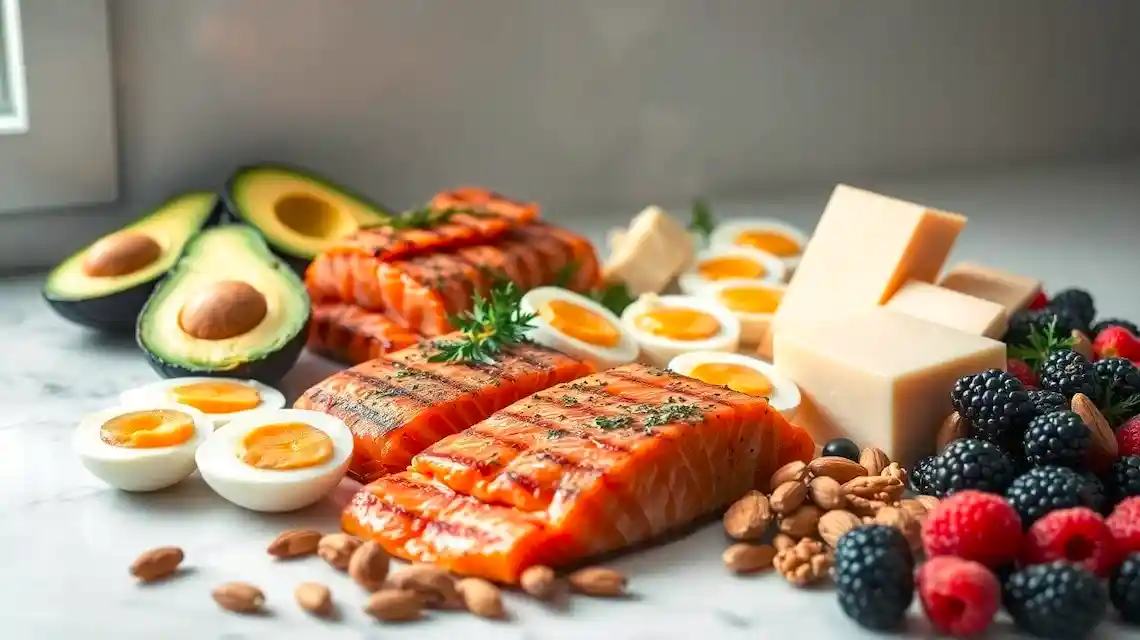
Looking for a clean, simple way to eat that keeps energy steady and cravings low? The best food for the keto diet does exactly that. Keto is a low carb, higher fat way of eating that helps your body use fat for fuel. Net carbs equals total carbs minus fiber and sugar alcohols. Many people start with 20 to 30 grams of net carbs per day, some go up to 50.
You do not need to count every gram. A basic macro guide is about 70% fat, 20 to 25% protein, and 5 to 10% carbs. Keep it flexible and listen to your body. This guide gives you a clear keto foods list: the best fats, proteins, veggies, snacks, and drinks, plus label tips and common foods to avoid.
Hydration and electrolytes matter too. Salt your food, drink water, and watch sodium, potassium, and magnesium so you feel good. Check labels for added sugar, starches, and seed oils you want to limit. Ready to keep it simple and tasty? Let’s start.
Keto made simple: how to choose the best food for the keto diet every day
Think big picture first. Choose whole foods with low net carbs, get enough protein, then add healthy fats to taste. If your plate looks simple and colorful, you are on track.
Use a plate guide. Fill half your plate with nonstarchy veggies, add a palm-size portion of protein, and drizzle or add 1 to 2 tablespoons of fat. That balance keeps you full and supports ketosis without a calculator.
When you cannot track, aim low and consistent. Pick vegetables that grow above ground. Add protein you can measure with your hand. Add fat until you feel satisfied. If you are hungry again in an hour, add a little more fat next time. If you never finish your plate, reduce fat slightly.
Use an easy net carb target. Most people feel good at 20 to 30 grams net carbs per day. If you are active or want more flexibility, 30 to 50 can work. Keep breakfast and lunch lower carb, then use dinner to adjust.
Label reading saves you. Scan serving size, total carbs, fiber, and added sugar. Hidden carbs show up as maltodextrin, corn syrup, honey, dates, rice flour, and starch. Sauces and dressings should land at 1 to 2 grams net carbs per serving. Choose unsweetened and season with your own salt, pepper, herbs, and acids like lemon or vinegar.
Hydration and electrolytes prevent the afternoon slump. Sip water through the day and add broth or an electrolyte mix without sugar. Avocado and leafy greens give potassium. Nuts and seeds add magnesium. Salt helps with headaches and low energy when carbs are low.
Pantry staples to stock this week:
- Extra virgin olive oil, avocado oil, coconut milk
- Canned salmon or tuna, eggs, chicken thighs
- Avocados, frozen broccoli, spinach
- Pecans or macadamias, chia seeds
- Sea salt, pepper, garlic powder, paprika
- Unsweetened almond milk, sparkling water
For a balanced take on benefits and trade-offs, Harvard’s review is helpful: Diet Review: Ketogenic Diet for Weight Loss.
Know your macros and net carbs
Net carbs equals total carbs minus fiber and sugar alcohols. Start around 20 to 30 grams net carbs per day for stricter results, or up to 50 for a flexible plan.
Quick examples:
- 1 cup spinach, less than 1 gram net carbs
- 1/2 avocado, about 2 grams net carbs
- 1 ounce macadamias, about 1.5 grams net carbs
You are learning a simple pattern, not chasing a perfect number.
Build a keto plate that keeps you full
Picture your plate. Half nonstarchy veggies, a palm of protein, then add fat, like olive oil, butter, avocado, or cheese.
Easy meals:
- Salmon with broccoli and butter, finish with lemon and herbs
- Eggs with spinach and feta, cooked in olive oil
- Burger patty with salad, olive oil, and sliced avocado
Transform Your Health Today! Discover the Benefits of the Keto Diet
Label reading tips to avoid hidden carbs
Check serving size first. Then scan total carbs, fiber, and added sugar. Watch for sneaky names like maltodextrin, corn syrup, honey, dates, rice flour, and starch. Choose sauces and dressings with 1 to 2 grams net carbs per serving. Go for unsweetened versions, then add your own spice mix, mustard, hot sauce, vinegar, or lemon.
Electrolytes and hydration keep you feeling good
Salt your food to taste. Drink water through the day. Broth or sugar-free electrolyte mixes help. Eat foods rich in potassium and magnesium, like avocado, leafy greens, nuts, and seeds. These steps help prevent the “keto flu,” so you stay steady in the first weeks.
If you want a concise list of what to prioritize and what to skip, this Health.com guide is clear: Keto Diet Foods To Prioritize and Avoid.
Best foods for the keto diet: healthy fats and oils that fuel ketosis
Fat gives flavor, energy, and fullness. The best fats for keto come from whole foods and stable cooking oils. Add enough to feel satisfied, not stuffed.
Use extra virgin olive oil for dressings and light sauté. Avocado oil handles higher heat. Butter and ghee make eggs and veggies taste great. Coconut oil adds a subtle coconut note in baking and curries. MCT oil is very concentrated, so start with a teaspoon in coffee or smoothies to test tolerance.
Quality matters when your budget allows, but you do not need fancy options to succeed. Keep portions mindful, especially with nuts and dairy, since calories add up fast. Sweetened dairy and flavored yogurts usually come with added sugar, so stick to plain.
A quick smoke point guide helps choose the right fat for the job:
| Oil or Fat | Typical Use | Approx. Smoke Point |
|---|---|---|
| Extra virgin olive oil | Dressings, low to medium heat | 325 to 375°F |
| Avocado oil | Sauté, roasting, searing | 480 to 520°F |
| Butter | Low heat sauté, flavor | 300 to 350°F |
| Ghee | Medium to higher heat cooking | 450 to 485°F |
| Coconut oil | Baking, medium heat sauté | 350 to 400°F |
| Tallow or duck fat | Roasting, pan frying | 375 to 400°F |
For a sensible overview of how keto fits into health goals, UC Davis Health breaks it down well: What is the keto diet, and can it be beneficial for you?
Avocado, olives, and high-fat dairy
These foods bring fiber, potassium, and satisfying fat.
Uses:
- Avocado on salads or mashed with salt and lime
- Olives as a snack or mixed into salads
- Full-fat yogurt or cheese in small portions
Sample net carbs:
- 1/2 avocado, about 2 grams
- 10 olives, about 1 gram
- 1 ounce cheddar, about 0.5 grams
- 1/2 cup plain Greek yogurt, about 4 grams
Some people feel better with less lactose. Test and see how you digest dairy.
Olive oil, avocado oil, and when to use coconut or MCT oil
- Olive oil, dressings and low to medium heat
- Avocado oil, higher heat like roasting or searing
- Coconut oil, baking and dishes that welcome a coconut note
- MCT oil, very small amounts in coffee or smoothies, start slow to avoid stomach upset
Butter and ghee, plus tallow and duck fat for cooking
Use butter or ghee for eggs and veggies. Ghee is clarified, so it tolerates heat better with a clean, nutty flavor. Animal fats like tallow and duck fat work well for roasting and pan frying, especially for crispy edges on meats or veggies. Match portions to your hunger and goals.
Nuts and seeds that fit keto
Best lower net carb choices include macadamias, pecans, walnuts, almonds in small amounts, pumpkin seeds, chia, and flax. Try:
- Trail mix with macadamias, pecans, and unsweetened coconut flakes
- Chia pudding with unsweetened almond milk and cinnamon
- Ground flax stirred into plain Greek yogurt with a few berries
Nuts are easy to overeat. Measure 1 ounce when you start to learn your portion.
Best foods for the keto diet: low-carb proteins for muscle and satiety
Protein helps preserve muscle and keeps you full. Choose clean proteins with little to no carbs. Cook with olive oil, butter, ghee, or animal fats, and skip breading and sugary sauces. Dry rubs, herbs, garlic, and citrus make simple meals taste great. Ground meats, eggs, and canned fish are budget friendly and fast.
Fatty fish and seafood
Top choices include salmon, mackerel, sardines, tuna, shrimp, and scallops. They offer omega-3 fats and key minerals like selenium and iodine. Bake or pan sear in olive oil or butter, finish with lemon and herbs. Net carbs are usually 0 grams.
Eggs and poultry made keto-friendly
Eggs are versatile, quick, and nearly zero carbs. For poultry, try chicken thighs, skin-on wings, and turkey. Cook with butter, olive oil, or ghee. Avoid breading and sweet sauces. Use dry rubs with salt, pepper, garlic, and paprika.
Beef and pork, from steaks to ground meat
Choose steaks, roasts, pork chops, bacon with no added sugar, burgers without buns, and pork shoulder. Ground meat stretches the budget. Make meatballs with egg and herbs, or build taco bowls with lettuce, cheese, and salsa without sugar.
Plant-friendly keto proteins
Good options include tofu, tempeh, edamame, hemp hearts, and unsweetened protein powders. Check labels for net carbs and added sugars. Pair with leafy greens and rich sauces like coconut curry or sesame oil and tamari. Use gluten-free tamari if needed.
Low-carb vegetables, fruits, snacks, and drinks that make keto easier
Plants bring fiber, texture, and flavor. Choose low-carb options and add fats for taste. Keep portions of fruit small. Drinks should be simple and unsweetened.
For recipe ideas you can cook tonight, browse these approachable dishes: Keto Diet Recipes.
Leafy greens and salad builders
Top picks include spinach, romaine, arugula, and spring mix. Add cucumbers, celery, radishes, and herbs for crunch and bite. Dress with olive oil, vinegar or lemon, and salt. Net carbs per cup are very low, usually under 2 grams.
Cruciferous and above-ground veggies
Broccoli, cauliflower, cabbage, zucchini, mushrooms, peppers, asparagus, and green beans work well. Try cauliflower rice with butter and garlic. Spiralize zucchini for noodles. Roast broccoli with butter or ghee and a sprinkle of parmesan. Limit starchy roots like potatoes and large amounts of carrots.
Low-carb fruits in moderation
Best choices are raspberries, blackberries, strawberries, olives, avocado, lemon, and lime. Keep portions small, like 1/2 cup berries. Skip tropical fruits most days since carbs add up fast. Use citrus for zest, dressings, and finishing sauces without many carbs.
Smart snacks, drinks, and what to avoid
Snacks:
- Cheese sticks, nuts, olives
- Hard-boiled eggs
- Sugar-free jerky
- Pork rinds
- Seaweed snacks
- Plain Greek yogurt with chia
Drinks:
- Water and sparkling water
- Coffee or tea
- Unsweetened almond or coconut milk
- Bone broth
Sweeteners:
- Stevia or monk fruit, use sparingly
Avoid:
- Bread, pasta, rice, most cereal
- Sugary drinks, candy, baked goods
- Breaded foods
- Sweet sauces
- Most beer
Simple swaps help. Use lettuce wraps instead of bread, and cauliflower rice instead of rice. If you like sauce, pick unsweetened mustard, hot sauce, soy sauce or tamari, or a homemade mix with olive oil, lemon, salt, and herbs.
Conclusion
Choose whole foods with low net carbs, add protein, and use healthy fats to taste. Stay hydrated and salt your food, and you will feel steady and satisfied. Make a quick shopping list today, pick 2 fats, 2 proteins, 3 veggies, 2 snacks, and 2 drinks. Try one new recipe each week to keep it fresh. The best food for the keto diet is the food you enjoy and will stick with. If you have medical conditions or take medication, talk with your healthcare professional before making big changes.
related post:
Best Food for the Keto Diet FAQs:
What are the best fats to eat on keto?
Choose whole‑food fats. Avocado, olives, olive oil, avocado oil, coconut oil, butter, and ghee work well. Fatty fish like salmon and mackerel add omega‑3s. Use these for cooking, dressings, and flavor.
Which proteins fit a keto meal plan?
Go for moderate portions. Beef, pork, lamb, poultry with skin, eggs, and fatty fish. Deli meats can work if they’re low in sugar. Aim for 4 to 6 ounces per meal, based on your needs.
What vegetables are lowest in carbs?
Leafy greens, crucifers, and above‑ground veggies. Spinach, kale, arugula, lettuce, broccoli, cauliflower, Brussels sprouts, zucchini, asparagus, cucumbers, bell peppers, and mushrooms. Skip potatoes, corn, and peas.
Can I eat fruit on keto?
Keep it small and choose low‑sugar options. Berries, like raspberries, blackberries, and strawberries, in half‑cup servings. Avoid bananas, grapes, mango, pineapple, and most dried fruit.
Which dairy products are keto‑friendly?
Full‑fat options without added sugar. Cheese, heavy cream, plain Greek yogurt, cottage cheese, and unsweetened kefir. Watch lactose in milk, it adds carbs fast.
What nuts and seeds are best?
Lower‑carb picks include macadamias, pecans, walnuts, almonds, and hazelnuts. For seeds, choose chia, flax, hemp, and pumpkin. Measure portions, since nuts add up in calories and carbs.
What are good keto snacks?
String cheese, hard‑boiled eggs, olives, beef sticks without sugar, cucumber with cream cheese, celery with peanut or almond butter, pork rinds, a small handful of nuts, or Greek yogurt with cinnamon.
How many carbs should I eat each day?
Most people stay under 20 to 50 grams of net carbs per day. Net carbs equal total carbs minus fiber and certain sugar alcohols, like erythritol and allulose.
Are sweeteners allowed?
Use in moderation. Stevia, monk fruit, erythritol, and allulose have minimal impact on blood sugar. Limit maltitol and sorbitol, they can raise carbs and cause GI issues for some.
What should I avoid on keto?
Sugar, bread, pasta, rice, cereal, baked goods, most fruit, starchy veggies, most beans, sweetened yogurt, regular soda and juice, and most beer. Check sauces, dressings, and marinades for hidden sugars.
How do I get enough fiber?
Eat low‑carb veggies, chia or flax seeds, avocado, nuts, and coconut. Psyllium husk can help if needed. Hydrate well to keep digestion smooth.
What about electrolytes?
Keto can lower sodium, potassium, and magnesium. Salt your food, sip broth, eat avocado and leafy greens, add nuts and seeds, and consider a magnesium supplement if needed.
Can I do keto if I’m vegetarian?
Yes, with planning. Eggs, full‑fat dairy, tofu, tempeh, nuts, seeds, avocado, low‑carb veggies, and oils form the base. Watch carbs from beans and higher‑carb meat substitutes.
Is alcohol okay on keto?
In small amounts. Dry wine, light beer, or spirits like vodka or whiskey with sugar‑free mixers. Alcohol can slow fat burning and lower inhibitions, so keep portions small.
What’s a simple keto breakfast?
Eggs cooked in butter with spinach, or Greek yogurt with chia and a few berries. Other options include an omelet with cheese and avocado, or smoked salmon with cucumber.
What are easy keto lunches and dinners?
Burger patties with cheese and salad, lettuce‑wrapped tacos, grilled chicken with olive oil and roasted broccoli, salmon with zucchini noodles, or cauliflower rice stir‑fry with shrimp.
Do I need supplements on keto?
Not required for everyone. Common adds include magnesium, omega‑3s if fish intake is low, vitamin D if levels are low, and electrolytes. A basic multivitamin can fill gaps.
Will keto raise my cholesterol?
Results vary by person. HDL often rises and triglycerides often drop. LDL can rise in some. Focus on whole foods, fish, olive oil, and non‑starchy veggies, and check labs with your doctor.
Can I eat out and stay keto?
Yes. Choose meat or fish, ask for veggies instead of starch, swap buns for lettuce, and request sauces on the side. Avoid breading and sweet glazes.
How do I spot hidden carbs?
Read labels. Look for sugar, maltodextrin, honey, syrups, and starches. Check serving sizes. Sauces, dressings, jerky, and yogurt often hide added sugar.
What’s a smart grocery list for keto beginners?
Eggs, salmon, chicken thighs, ground beef, bacon without sugar, spinach, lettuce, broccoli, cauliflower, zucchini, avocados, olives, cheese, Greek yogurt, nuts, olive oil, and spices.
How can I keep keto on a budget?
Buy in bulk, choose cheaper cuts like chicken thighs and ground meat, use frozen veggies, and plan meals. Make sauces at home and skip specialty products you don’t need.
Do I need to track macros?
It helps at first. Keep carbs low, protein moderate, and fat to satiety. Use a food scale or app until you learn portions and your routine feels natural.
What are signs I’m in ketosis?
Lower appetite, steady energy, a mild acetone smell on breath for some, and ketone readings on blood or breath meters. Urine strips are less reliable over time.

Gas S. is a health writer who covers metabolic health, longevity science, and functional physiology. He breaks down research into clear, usable takeaways for long-term health and recovery. His work focuses on how the body works, progress tracking, and changes you can stick with. Every article is reviewed independently for accuracy and readability.
- Medical Disclaimer: This content is for education only. It doesn’t diagnose, treat, or replace medical care from a licensed professional. Read our full Medical Disclaimer here.