

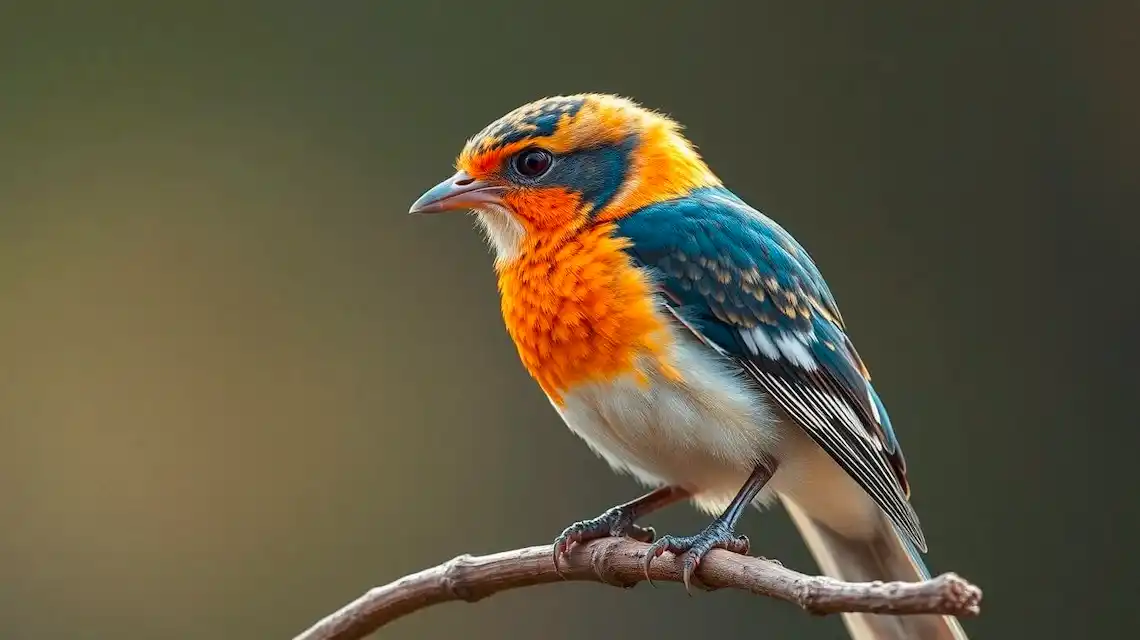
Standing in front of rows of colorful birds and feeling totally unsure where to start? You are not alone. New bird owners often feel torn between “cute,” “quiet,” and “easy to care for.”
This guide breaks down the best birds for beginners so you can choose a first pet that fits your home, your schedule, and your budget. Some species stay calmer, make less noise, and need less hands-on training, which makes them much kinder to first time owners.
How to Choose the Best Birds for Beginners
Before you fall in love with the first bright bird you see, take a moment to think about daily life. A pet bird is more like a dog than a fish. It notices you, wants contact, and depends on you every day.
Good beginner birds match your lifestyle. Smaller parrots and soft songbirds usually need less space and can be easier to handle. Still, all birds need a safe cage, good food, toys, and time out with you or at least time when you talk to them and watch them.
If you want more detail on beginner friendly species, you can compare this guide with the advice from Kaytee’s overview of best pet birds for beginners, which supports many of the same choices.
Key things to think about before you bring a bird home
Think about how much time you can give your bird each day. Fifteen minutes of calm, focused time is very different from rushing past the cage.
Ask yourself how much noise you can handle, what you can spend on a cage, food, and vet care, and how long you want to commit, since many birds live 10 to 20 years. A busy family with young kids might do better with a calmer, lower maintenance bird that enjoys being watched more than handled.
Why size, noise, and friendliness matter for first time owners
Smaller birds are usually easier for beginners because they need less space and food and are less likely to cause serious bites. Very loud birds can cause stress with neighbors or roommates, even if you love them. A naturally social bird makes learning bird care less stressful, since it wants to connect with you.
Even the easiest birds still need daily care, steady routines, and kindness to stay healthy and tame.
Top 4 Best Birds for Beginners (With Simple Pros and Cons)
Many vets and bird experts point to a short list of good starter species, which matches what clinics like Monte Vista Vet recommend. Here is how four popular choices compare in real life.
Budgies (parakeets): small, playful, and budget friendly
Budgies are one of the best birds for beginners because they stay small, are often friendly, and are usually cheaper to feed and house. They can learn simple words, enjoy toys, and like to fly inside a safe room.
They do best with daily talking and gentle time with their person. Budgies can be a bit shy at first, so patience and soft handling matter. Once they trust you, they turn into curious, busy little companions.
Cockatiels: gentle, social birds for calm homes
Cockatiels are gentle and affectionate birds that often bond closely with their favorite person. They like to sit on shoulders, preen hair, and be part of the action without constant noise. Their whistles are softer than many larger parrots, which helps in apartments.
They need regular time out of the cage and a bit more attention than budgies. With good care, they live many years, so they suit someone ready for a long term friend.
Green cheek conures: fun and cuddly, but a bit more active
Green cheek conures are playful, smart, and often cuddly, which makes them tempting for first time owners who want interaction. They are more active and sometimes louder than budgies and cockatiels, though usually quieter than big parrots.
They need training, puzzle toys, and daily play so they do not get bored and nippy. They fit best with someone who wants a very hands-on bird and can spend quality time with them every day.
Canaries or finches: pretty songs with less handling
Canaries and finches are great if you want to enjoy birds without a lot of handling. Most people keep them as “watch only” pets that stay in the cage.
Canaries sing, finches chirp and flit around, and both do best in a roomy cage with space to fly. They suit quieter people or families who cannot commit to daily taming but still want movement and song in the home.
Quick Tips for Caring for Your First Pet Bird
Once you pick your bird, a few simple habits will make life easier. These tips work for budgies, cockatiels, conures, and small songbirds alike and match the basic advice from many clinics, such as the guide from Broomfield Vet on beginner pet birds.
Basic care habits that keep beginner birds healthy and happy
Change water every day and wash the bowls often. Spot clean the cage daily and do a deeper clean each week so dust and droppings do not build up.
Offer a base of quality pellets with some fresh vegetables and a small amount of seed, not just seed alone. Rotate safe toys so your bird can chew and play. Spend a bit of gentle time with your bird each day. A steady routine helps birds feel safe and calm.
When to ask an avian vet or local bird rescue for help
Find an avian vet before you need one and schedule a first checkup soon after you bring your bird home. Watch for warning signs like not eating, sitting puffed up for long periods, or acting very quiet.
Local bird rescues and bird clubs can help you match with the best birds for beginners and can answer questions as you learn. Reaching out early protects both you and your bird.
Conclusion
There is no single perfect pet bird for everyone, but some species are usually easier for first time owners. Budgies, cockatiels, green cheek conures, and small songbirds like canaries and finches all rank among the best birds for beginners, each with its own style and needs.
Before you decide, think about your time, noise tolerance, and budget. Picture your daily routine, then choose the bird that fits it best. Your future feathered friend will thank you for that careful choice.
Related post:
FAQs:
What are the best pet birds for beginners?
Good starter birds include budgies (parakeets), cockatiels, green-cheeked conures, lovebirds, and some smaller parrots like parrotlets.
Budgies and cockatiels are usually the easiest for a first bird. They tend to be gentle, social, and more forgiving of small mistakes. Green-cheeked conures and lovebirds can suit beginners who are ready for a bit more energy and noise.
Which bird is the easiest for a complete beginner?
Budgies are often the easiest for a first-time owner. They are small, friendly, smart, and easier to house on a budget.
They usually adapt well to families, learn to step up, and many pick up simple words or sounds. Their care still takes daily work, but most people find them less demanding than larger parrots.
Are cockatiels good for first-time bird owners?
Yes, cockatiels are one of the best choices for beginners. They are usually calm, affectionate, and easier to handle than many larger parrots.
They enjoy human company, often bond closely with their person, and can learn simple whistles and tricks. They do create dust from their feathers, so people with allergies should keep that in mind.
Are parrots too difficult for beginners?
Large parrots like macaws, cockatoos, and African greys are usually not good for beginners. They need a lot of time, space, training, and mental stimulation.
Many people do well with smaller parrots instead, such as budgies, cockatiels, green-cheeked conures, and parrotlets. These still need daily attention but are more realistic for a first bird.
Which birds are low-maintenance for beginners?
No pet bird is truly low-maintenance, but some are more manageable.
Budgies and cockatiels often suit busy people better than larger parrots. They eat less, need less space, and are easier to train and handle. You still need to clean the cage, change food and water daily, and give them attention and out-of-cage time.
Which beginner birds are the quietest?
All birds make noise, but some are softer voiced.
Budgies, cockatiels, and green-cheeked conures are usually quieter than large parrots. Budgies chatter in soft, rapid sounds. Cockatiels whistle and call a bit louder but often stay apartment friendly. Green-cheeked conures can shriek at times, though usually less than many other conures.
If sound is a big concern, avoid cockatoos, sun conures, and macaws.
What bird is best for kids or families?
Cockatiels and budgies often work best for children, as long as an adult takes primary responsibility. They are typically gentle, social, and more tolerant of beginner handling.
Teach kids to move slowly, speak softly, and never chase or grab the bird. Supervision matters more than the bird species.
Which beginner birds like to cuddle?
Cockatiels and green-cheeked conures are known for being affectionate. Many enjoy head scratches and close contact, once they trust you.
Lovebirds and parrotlets can also bond strongly, but they may act bold or nippy if they feel ignored or pushed. Every bird has its own personality, so you cannot guarantee a cuddly bird, only increase the odds.
Are finches or canaries good starter birds?
Finches and canaries can be good for people who prefer to watch birds rather than handle them.
Finches do best in pairs or groups, since they are very social with each other and do not usually enjoy a lot of handling. Canaries can live alone, sing beautifully, and are usually hands-off pets.
They still need a proper cage, good diet, and regular cleaning, but they often need less direct interaction than parrots.
How big of a cage does a beginner bird need?
Bigger is always better, as long as the bar spacing is safe for the bird’s size.
A single budgie needs at least a cage about 18 x 18 x 24 inches, though larger is better. Cockatiels and small conures need a larger footprint, often at least 24 x 18 x 24 inches.
Birds spend many hours in their cages, so think of it as a room, not a crate.
What kind of diet do beginner birds need?
Most beginner-friendly parrots do best on a mix of high-quality pellets, fresh vegetables, some fruit, and a small amount of seeds.
Budgies and cockatiels may eat more seed than larger parrots, but a seed-only diet causes health problems over time. Fresh water every day is non-negotiable.
Avoid avocado, chocolate, alcohol, caffeine, onions, and anything very salty or sugary.
How much time each day should I spend with a pet bird?
Plan for at least 1 to 2 hours of focused interaction and out-of-cage time every day for parrots, even small ones.
This can be training, talking, playing, or letting your bird hang out near you while you read or watch TV. Finches and canaries need less direct interaction, but they still benefit from your presence and some quiet company.
Are there beginner birds that can learn to talk?
Yes. Budgies, some cockatiels, and many small parrots like green-cheeked conures can learn words or sounds.
Budgies are often surprisingly good talkers, even though their voices are high and fast. Cockatiels usually pick up whistles more than words.
Talking should be seen as a bonus, not a guarantee. Focus on a healthy, happy relationship first.
Which birds should beginners avoid?
Most first-time owners should avoid very large or very loud parrots, such as macaws, cockatoos, and some conures like sun or jenday conures.
Also be cautious with species known for strong beaks, intense energy, or high emotional needs, such as cockatoos and some Amazon parrots. These birds can be wonderful, but they often need experienced handlers, a lot of time, and a stable home life.
Is it better to get one bird or a pair as a beginner?
If you want a strong bond with your bird, starting with one bird can help, as long as you have plenty of time for it.
If you are away many hours a day, a bonded pair of budgies or finches can be kinder, since they keep each other company.
A pair may bond more with each other than with you, so think about your goals before you decide.
Should a beginner adopt a bird or buy from a breeder?
Both choices can work well. A reputable breeder or store offers young birds that may be easier to socialize. A good rescue can match you with a bird whose personality is already known.
Ask about the bird’s history, health, diet, and behavior. Avoid sellers who rush you, hide information, or keep birds in poor conditions.
 Dog Trick Training for Beginners
  Gingivitis Cats Symptoms Every Pet Parent Should Know
  How to Make Dog Cookies at Home
  Wet Food or Dry Food for Cats?
  What Is the Healthiest Hamster Breed for Your Home?
  Cat Food Intolerance Symptoms: How To Spot Them Early