

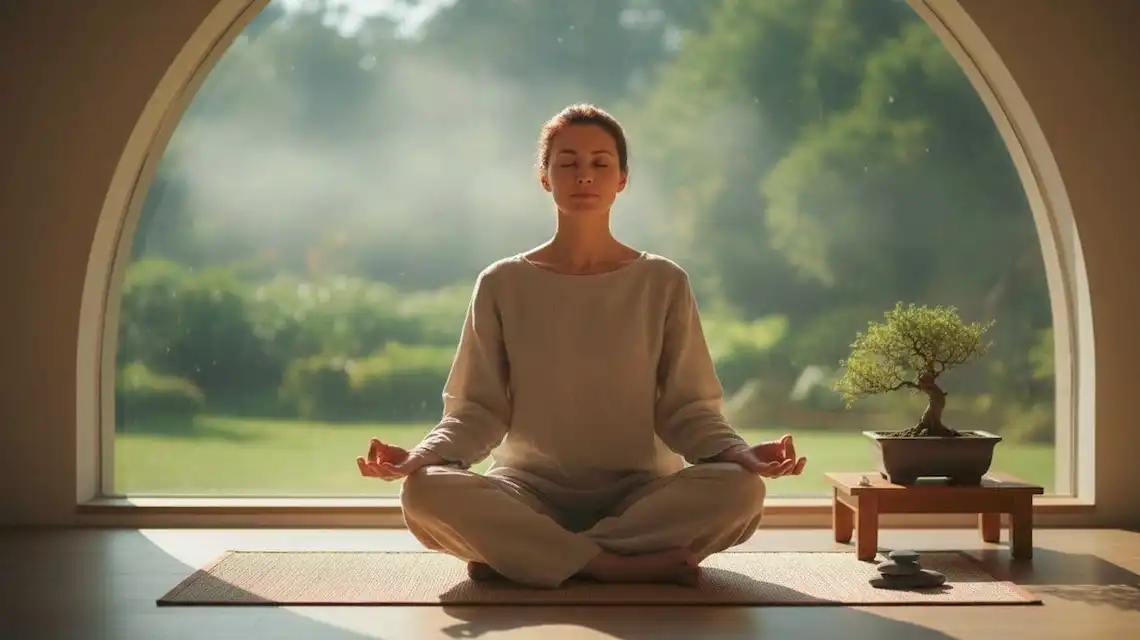
Your heart is racing. Your chest feels tight. Your thoughts jump from one worry to the next like a video on fast-forward. At night, you stare at the ceiling even though your body is tired.
That is what everyday anxiety can feel like. It shows up before work, in class, during small talk, or right as you try to fall asleep. It can make simple things feel huge.
The good news is that anxiety management techniques do not need to be fancy or complicated. You can use simple, science-backed tools with only your breath, your body, and your attention. Some work in seconds, others help slowly over time.
This guide walks you through quick relief tricks for the moment your anxiety spikes, and small daily habits that support your mental health in the long run. You do not need special skills. You just need a bit of practice and patience with yourself.
Understanding Your Anxiety So You Can Manage It Better
Anxiety is not a personal failure. It is your brain trying to keep you safe, sometimes a little too hard.
Researchers have found that simple mind-body tools, like breathing and relaxation, can lower stress and anxiety levels. You can see examples of these in resources about mind and body approaches for stress and anxiety and in guides on relaxation techniques to reduce stress. That means the skills you are about to learn are not just feel-good tricks. They are grounded in how your body actually works.
Once you understand what anxiety is, your symptoms can feel less scary. A racing heart feels different when you know it is your body’s alarm system, not a sign that you are broken. When you see anxiety as a signal, you can respond with tools, not fear.
You do not need to remove anxiety from your life. You only need to turn the volume down so that you can think, function, and rest.
What Is Anxiety and How Does It Show Up in Daily Life?
Anxiety is a mix of thoughts, feelings, and body reactions that show up when your brain thinks something might go wrong.
It can look like:
- Physical signs: racing heart, sweaty or shaky hands, tight jaw or shoulders, upset stomach, headaches, trouble sleeping.
- Mental signs: nonstop worry, replaying conversations, fear of the future, worst-case thinking, trouble focusing.
Some anxiety is normal. You might feel it before a test, a big meeting, or a first date. It becomes a problem when it feels constant, very strong, or gets in the way of school, work, or relationships.
That is when learning anxiety management techniques can help you feel more in control.
Why Your Body Reacts the Way It Does When You Feel Anxious
Your body has an old built-in safety system called the fight, flight, or freeze response. Long ago, it helped humans run from danger or fight it.
When your brain thinks you are in danger, it sends out stress hormones. Your heart beats faster to pump blood to your muscles. Your breathing gets quick and shallow. Your muscles tense up, ready to move. Your stomach may twist, since your body cares more about survival than digesting lunch.
The tricky part is that this system turns on even when the “danger” is a text message, a test, or a hard talk, not a tiger.
Breathing, grounding, and movement work because they send a new message back to your brain. Slow breathing tells your body, “We are safe now.” Relaxed muscles say, “You can calm down.” Grounding tells your brain, “We are here in this moment, not stuck in a scary story.”
Anxiety is a signal to respond to, not proof that something is wrong with who you are.
Fast Anxiety Management Techniques You Can Use in the Moment
When anxiety spikes, you do not want a long lecture. You want tools that work fast, in a bathroom stall, at your desk, or in bed at 2 a.m.
These quick anxiety management techniques take 1 to 5 minutes and use only your breath, senses, and muscles.
Calming Breathing Exercises to Slow Your Racing Thoughts
Breathing is one of the fastest ways to calm your stress system. Here are two simple options.
1. Box breathing
Use this when you feel tense before a test, meeting, or phone call.
- Breathe in through your nose for 4 counts.
- Hold your breath for 4 counts.
- Breathe out through your mouth for 4 counts.
- Hold with empty lungs for 4 counts.
Repeat 4 times. Picture a square, each side is a 4-count step.
2. 4-7-8 breathing
This can help you unwind before sleep or during a panic spike.
- Breathe in through your nose for 4 counts.
- Hold your breath for 7 counts.
- Breathe out slowly through your mouth for 8 counts, like you are blowing out a candle.
Start with 3 rounds and work up to 6 or 7 as it feels safe.
If the counts feel too long at first, shorten them but keep the exhale longer than the inhale.
Grounding Techniques to Bring Your Mind Back to the Present
Grounding is using your senses to notice what is around you, so your brain stops chasing every scary “what if.”
The 5-4-3-2-1 method
Look around and name:
- 5 things you can see
- 4 things you can feel (your feet on the floor, your shirt on your skin)
- 3 things you can hear
- 2 things you can smell
- 1 thing you can taste (or a favorite taste you remember)
Say them in your head or softly out loud. This pulls your mind away from spiraling thoughts and back into your body.
Other quick grounding ideas:
- Hold an ice cube or splash cool water on your face. Notice the temperature.
- Name objects in the room by color. “Blue chair, white wall, green plant.”
- Press your feet into the floor and notice how solid it feels.
These tricks remind your brain, “Right now, in this space, I am safe.”
Easy Movement and Relaxation Tricks to Release Tension
Tight muscles keep your body stuck in stress mode. Simple movement can release that tension.
Try:
- Shoulder rolls: Lift your shoulders up toward your ears, roll them back and down. Do 10 slow circles.
- Fist squeeze: Squeeze your fists tight for 5 seconds, then let go. Feel the difference. Repeat a few times.
- Mini walk: Walk around the room or down the hall for 2 to 5 minutes. Notice your steps.
A simple version of progressive muscle relaxation:
Start at your feet and move up to your head. For each body part, gently tense the muscles for 5 seconds, then relax for 10 seconds. Example: toes, calves, thighs, stomach, hands, shoulders, jaw, forehead.
This kind of body-based practice shows up in many anxiety guides, such as anxiety management strategies that include progressive muscle relaxation.
Building Long-Term Anxiety Management Techniques Into Your Daily Routine
Quick tools are helpful, but daily habits can lower your overall anxiety level so you do not spike as often.
Think of these as training your “calm muscle.” Small steps, done often, create real change over time.
Simple Daily Habits That Make Anxiety Easier to Handle
You do not need a perfect routine. Focus on basics.
Helpful habits include:
- Sleep: Aim for roughly the same bedtime and wake time most days. Tired brains worry more.
- Regular meals: Long gaps without food can make blood sugar drop, which can feel like anxiety.
- Water: Mild dehydration can cause headaches and fatigue, which add to stress.
- Gentle movement: A short walk, light stretching, or a few yoga poses can calm your nervous system.
- Less caffeine: Coffee, energy drinks, and strong tea can speed up your heart and make anxiety feel worse.
Pick one habit to start with, like a 10-minute walk after lunch or drinking a full glass of water in the morning. Once that feels normal, add another.
Conclusion
Anxiety does not have to run your life, and these Anxiety Management Techniques give you a clear starting point. Keep what works, let go of what does not, and build a routine that fits your real day. Small steps like steady breathing, grounding exercises, and better sleep add up over time. If you found this helpful, share it with someone who needs calm today and let me know which technique you plan to try first.
Related post:
Practical FAQs About Anxiety Management Techniques
How do I know if what I feel is anxiety and not just normal stress?
Stress usually has a clear trigger, like a deadline or conflict, and fades once the problem passes. Anxiety often feels stronger, sticks around, and can show up even when nothing obvious is wrong.
Common signs of anxiety include:
- Racing thoughts or constant worry
- Tight chest, fast heartbeat, or shortness of breath
- Trouble sleeping or waking up tense
- Feeling restless, “on edge,” or easily startled
If your worry feels hard to control, lasts most days for weeks, or gets in the way of work, relationships, or sleep, you’re likely dealing with anxiety, not just stress. A therapist, doctor, or psychiatrist can give a proper diagnosis and suggest treatment options.
What are the most effective quick techniques to calm anxiety in the moment?
For “right now” relief, simple physical tools work best. They help your body shift out of a fight-or-flight state.
Helpful options include:
- Slow breathing: Inhale through your nose for 4 seconds, hold for 4, exhale through your mouth for 6 to 8. Repeat for 1 to 3 minutes.
- Grounding: Use the 5-4-3-2-1 method (5 things you see, 4 you can touch, 3 you hear, 2 you smell, 1 you taste).
- Muscle relaxation: Tense one muscle group for 5 seconds, then release for 10. Work from your feet up to your face.
- Temperature change: Splash cool water on your face or hold something cold to your neck or wrists to interrupt the stress response.
These tools do not “fix” anxiety, but they often lower the intensity so you can think more clearly.
Which long-term anxiety management techniques work best?
Long-term relief usually comes from a mix of habits, thought work, and sometimes professional support. Research supports a few consistent approaches.
Helpful long-term techniques include:
- Cognitive-behavioral strategies: Noticing anxious thoughts, questioning how true or helpful they are, and replacing them with more balanced thoughts.
- Exposure: Gradually facing feared situations in small, planned steps instead of avoiding them.
- Regular movement: Walking, running, yoga, or strength training several times a week can lower baseline anxiety.
- Routine: Consistent sleep, meals, and daily structure give your nervous system a sense of predictability.
- Mindfulness or meditation: Training your attention to come back to the present, instead of getting pulled into “what if” thoughts.
You don’t need to use all of these. Choose one or two to start, and build from there.
Can breathing exercises really make a difference for anxiety?
Yes, they can. Your breath has a direct line to your nervous system. When you breathe slowly and deeply, you signal to your body that it’s safe.
Two simple options:
- Box breathing: Inhale for 4, hold for 4, exhale for 4, hold for 4.
- Long-exhale breathing: Inhale gently through your nose, then exhale for longer than you inhale. This longer out-breath activates the calming side of your nervous system.
It often feels strange or “too simple” at first. With practice, your body learns to respond more quickly, so the effect grows over time.
How can I stop anxious thoughts from spiraling?
You probably can’t stop anxious thoughts from appearing, but you can change what you do with them. The goal is not to have zero anxious thoughts, it’s to reduce their power over you.
Useful approaches:
- Name the thought: “I’m having the thought that something terrible will happen at this meeting.”
- Check the evidence: Ask, “What facts support this?” and “What facts go against it?”
- Create a balanced statement: For example, “This meeting matters to me, but I’ve handled hard meetings before.”
- Time-limit worry: Set a 10-minute “worry window” once a day. Write down worries, review them, then close the notebook and move on.
The more you practice, the easier it gets to catch a spiral early instead of after an hour of racing thoughts.
Are lifestyle changes like sleep and diet really important for anxiety?
Yes, basic lifestyle habits matter a lot. They do not cure anxiety on their own, but they can raise or lower your baseline level of tension.
Key areas to watch:
- Sleep: Aim for 7 to 9 hours. Go to bed and wake up at roughly the same time. Lack of sleep makes the brain more sensitive to stress.
- Caffeine and alcohol: Caffeine can trigger jitters and racing thoughts. Alcohol can disrupt sleep and spike anxiety when it wears off. Notice how your body responds and adjust.
- Food patterns: Skipping meals or eating mostly sugar-heavy foods can cause blood sugar swings, which feel like anxiety. Regular, balanced meals help steady your energy and mood.
- Movement: Even a 10-minute walk can take the edge off after a tense day.
Think of these as the foundation that supports other techniques like therapy or mindfulness.
What role does mindfulness play in managing anxiety?
Mindfulness is the skill of paying attention to the present moment on purpose, with less judgment. For anxiety, it helps you notice worry early, instead of getting swept away.
Some simple ways to practice:
- Focus on the feeling of your feet on the floor while you stand in line.
- Notice the taste, smell, and texture of your food for the first few bites.
- Spend 5 minutes watching your breath. When your mind wanders, gently guide it back.
Over time, mindfulness helps you respond to anxiety instead of reacting to it. You create a small space between “I feel anxious” and “I need to escape this right now.”
When should I consider therapy or medication for anxiety?
Consider professional help if:
- Anxiety gets in the way of work, school, parenting, or relationships.
- You avoid things you care about because of fear.
- You feel constantly on edge or exhausted from worry.
- Self-help strategies only give brief relief, or you feel stuck.
Therapies like cognitive-behavioral therapy (CBT) and acceptance and commitment therapy (ACT) have strong evidence for anxiety. Medication, like SSRIs or other anti-anxiety drugs, can also help, especially when symptoms are moderate to severe.
A therapist or doctor can discuss pros and cons with you, suggest a plan, and adjust it based on how you respond.
How long does it take for anxiety management techniques to start working?
Some techniques work within minutes. Slow breathing, grounding, or a quick walk can calm your body fairly fast. The relief might be partial, but it often feels noticeable.
Longer-term changes, like thought work, exposure, or new routines, usually take a few weeks to a few months of steady practice. Progress often looks uneven. Some days feel easier, then a tough week flares things up again.
That does not mean nothing is working. It usually means your nervous system is still learning new patterns. Tracking your habits and symptoms in a simple journal can help you see progress that might be easy to miss in the moment.
What if I’ve tried techniques before and they didn’t help?
This is common and it doesn’t mean you’re beyond help. A few things often get in the way:
- The technique did not match your specific type of anxiety.
- You tried too many tools at once and felt overwhelmed.
- You used the tools “only in emergencies” but not as a daily habit.
- You didn’t have guidance or feedback to tweak your approach.
If something did not help, you can still use that experience. Ask, “What part felt most useful, even a tiny bit?” and “What got in the way of using it regularly?” Then adjust, rather than starting from scratch.
You don’t have to do this alone. A therapist, coach, or trusted health professional can help you choose a smaller set of techniques and stick with them long enough to see real change.

Gas S. is a health writer who covers metabolic health, longevity science, and functional physiology. He breaks down research into clear, usable takeaways for long-term health and recovery. His work focuses on how the body works, progress tracking, and changes you can stick with. Every article is reviewed independently for accuracy and readability.
- Medical Disclaimer: This content is for education only. It doesn’t diagnose, treat, or replace medical care from a licensed professional. Read our full Medical Disclaimer here.