

Missing a tooth can make you hide your smile, skip favorite foods, or feel nervous about dental work. The advantages of dental implants go far beyond just filling a gap, they act like strong, stable roots that hold replacement teeth in place. In this post, you will see how implants compare to dentures and bridges, and why so many people choose them for a long term fix.
Dental implants can sound scary at first, but once you understand how they work, they often feel like a relief instead of something to fear.
What Are Dental Implants and How Do They Work?
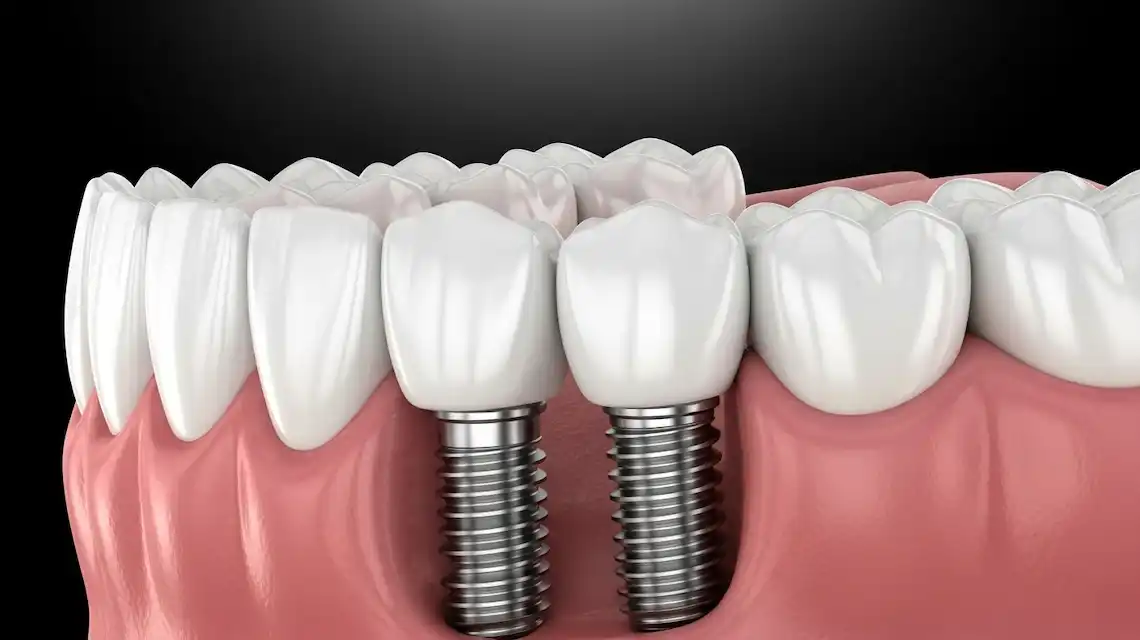
A dental implant is a small metal post that sits in your jaw and acts like a new tooth root. On top of this post, your dentist attaches a connector piece, called an abutment, and then adds a custom crown that looks like a natural tooth.
You can think of the implant post as a tiny screw that holds everything steady in the bone. Over time, the bone grows around the post, which helps keep it strong and secure. The top crown is shaped and colored to blend with your other teeth, so most people will not notice it at all. For a deeper explanation, you can check the overview from Cleveland Clinic on dental implants.
Simple explanation of the implant process
First, the dentist places the implant post in the jaw where the missing tooth used to be. Your bone then needs time to heal and bond to the post, which can take a few months. After that, the dentist adds the abutment and attaches a custom crown on top. The end result looks and feels like a real tooth.
How implants are different from dentures and bridges
Dentures sit on the gums and can move, and bridges rely on nearby teeth for support. Implants are different because they are fixed in the bone and act like real roots. This gives a more natural feel and often better strength for biting and chewing.
Key Advantages of Dental Implants for Everyday Life
Dental implants are not just about looks. They can change how you eat, talk, and feel about your smile every single day.
Natural look and feel that boosts your confidence
Implants are made to match the shape and color of your natural teeth. They do not slip when you talk, laugh, or take photos, which helps you feel more relaxed in social settings. Many people say they forget they even have an implant, and that confidence shows in their smile and body language.
Transform Your Oral Care Routine! Try Denta Smile
Eat your favorite foods again without worry
Loose dentures can make foods like apples, steak, or crusty bread hard to enjoy. Implants give you a strong bite that feels much closer to natural teeth. You can chew with more power and comfort, which makes meals more fun and less stressful. As one dentist explains in this guide on the benefits of dental implants, many patients cannot tell the difference from their original teeth.
Long-lasting solution that can save money over time
With good brushing, flossing, and regular checkups, implants can last many years. Dentures and bridges often need to be adjusted or replaced, which adds cost over time. While implants may cost more at first, the long term value can be better because you are paying for a stable, durable solution.
Health Benefits: Why Dental Implants Are Good for Your Mouth
Beyond comfort and looks, implants also support better oral health.
Helps protect your jawbone and face shape
When a tooth is missing, the jawbone in that area can start to shrink. Over years, this can change the shape of your face and make it look older or sunken. Because implants act like natural roots, they help keep the bone active and strong. The FDA’s page on dental implants notes that implants help reduce jawbone shrinkage after tooth loss.
Keeps nearby teeth stable and in the right place
Gaps from missing teeth can cause nearby teeth to tilt or drift into the open space. This can affect your bite and make cleaning harder. An implant fills the gap so your other teeth stay in better alignment, which supports a healthier, more even smile.
Easy to clean and care for like natural teeth
You brush and floss implants much like your normal teeth. There is no need to remove them at night or use special soaking cups. Simple daily care keeps your gums healthier and helps your implant last longer.
Conclusion
Dental implants offer a powerful mix of benefits: a natural look and feel, a strong bite, long lasting value, and real support for your mouth’s health. When you weigh the advantages of dental implants against dentures or bridges, they often come out ahead for comfort and confidence. If you are missing one or more teeth, ask your dentist if implants could be a good fit for you. A simple conversation or consult can be the first step toward a stronger, more secure smile.
Related post:
- What Food Makes Your Teeth Strong
- How Do You Fix Calcium Deficiency in Teeth?
- Can Vitamin D Deficiency Cause Yellow Teeth?
FAQs: Advantages of Dental Implants
How do dental implants compare to dentures or bridges?
Dental implants act like artificial tooth roots placed in your jaw. They hold crowns that look and feel like natural teeth.
Dentures rest on the gums and can slip or rub. Bridges rely on neighboring teeth, which often need to be shaved down.
Implants stand on their own, they do not depend on other teeth for support, which protects healthy tooth structure.
Do dental implants look like natural teeth?
Yes, implants are designed to blend in with your smile.
Your dentist matches the color, shape, and size of the crown to your other teeth.
Once healed, most people cannot tell which tooth is an implant unless you point it out.
Will I be able to eat normally with dental implants?
You can usually eat most foods after your implant has healed.
Implants anchor into your jaw, so they stay stable when you bite and chew.
Many people find they can eat foods they avoided with loose dentures, like apples, corn on the cob, or steak.
Are dental implants comfortable?
Implants often feel more natural than removable dentures.
Because they are fixed in your jaw, there is no slipping, no clicking, and no rubbing sores on the gums.
After the healing period, most people forget they even have an implant.
How long do dental implants last?
With good care, implants can last many years and often several decades.
The titanium post in the jaw is very durable.
The crown on top may need replacement over time due to normal wear, similar to other dental work.
Do dental implants help protect my jawbone?
Yes, this is one of their biggest advantages.
When you lose a tooth, the bone in that area starts to shrink because it no longer has a root to support.
An implant replaces the root, which helps keep the bone active and reduces bone loss in that area.
Can dental implants prevent my face from looking sunken?
Missing teeth and bone loss can make the cheeks look hollow or the lips look collapsed.
Implants help support the jaw and maintain facial structure.
This support can keep your face looking fuller and more balanced as you age.
Do implants affect the surrounding teeth?
Implants do not harm neighboring teeth.
Unlike a bridge, they do not require healthy teeth to be filed down for support.
They also help keep nearby teeth from drifting into empty spaces, which can affect your bite.
Are dental implants easy to clean?
Daily care feels a lot like caring for natural teeth.
You brush, floss, and visit your dentist for regular checkups and cleanings.
You do not need to take implants out to clean them, which many people find simpler than caring for removable dentures.
Are dental implants a good option for a single missing tooth?
Yes, implants work very well for single tooth replacement.
They fill the gap without attaching to other teeth.
This helps protect the teeth beside the space and restores both function and appearance.
Can implants replace several or all missing teeth?
Implants can support single crowns, bridges, or even full arches of teeth.
Some patients get a few implants that hold a full set of upper or lower teeth.
This gives stronger support and better stability than traditional full dentures.
Do dental implants improve speech?
Loose or poorly fitting dentures can cause slurred or mumbled speech.
Since implants stay fixed, they help keep teeth in the right position when you talk.
Many people notice clearer speech and feel less worried about teeth slipping when they speak.
Are dental implants worth the higher upfront cost?
Implants often cost more at the start than dentures or bridges.
However, they usually last longer and need fewer replacements.
When you factor in comfort, function, and long-term durability, many patients see implants as a strong long-term investment in their oral health.
Are dental implants safe for most adults?
For most healthy adults, implants are a safe and proven treatment.
Your dentist will check your general health, jawbone quality, and gum health before recommending them.
People with uncontrolled health issues or heavy smoking may have higher risks and need careful evaluation.
Do dental implants help with confidence and quality of life?
Many people feel more confident with a smile that looks complete and natural.
They can eat in public, laugh, and speak without worrying about teeth slipping or gaps showing.
That peace of mind often becomes one of the biggest benefits of choosing implants.

Gas S. is a health writer who covers metabolic health, longevity science, and functional physiology. He breaks down research into clear, usable takeaways for long-term health and recovery. His work focuses on how the body works, progress tracking, and changes you can stick with. Every article is reviewed independently for accuracy and readability.
- Medical Disclaimer: This content is for education only. It doesn’t diagnose, treat, or replace medical care from a licensed professional. Read our full Medical Disclaimer here.