


Long hours, endless screens, takeout on repeat, and family duties can drain your energy. Finding time for health often feels impossible. You do not need a perfect routine to make progress. You need a clear plan that fits your real life, even on the busiest weeks.
This is a guide to weight loss for busy people in today’s society. It favors small daily actions over all-or-nothing plans. You will learn a simple plan, fast meal ideas, and quick movement you can do anywhere.
Think light structure, not strict rules. Think tiny wins that stack up. Ready to start small and still see results?
Start here: weight loss for busy people made simple
The quickest path to progress is a short list you can follow on autopilot. Keep it light, repeatable, and kind to your schedule.
- Set a clear goal
Pick one goal for the next 8 weeks. Keep it basic. For example, lose 6 to 8 pounds, feel lighter in your clothes, walk 8,000 steps most days, or cook dinner at home four nights a week. Clear goals guide choices. - Use a hand-size plan for meals
Your hand travels with you, so it is a great tool. At most meals, aim for:
- 1 palm of protein
- 1 fist of veggies
- 1 cupped hand of carbs
- 1 thumb of fats
Do this two to three times per day. Add a snack if you need it. This creates a small calorie gap without counting all day.
- Pick tiny habits that fit your day
Stack one new habit each week. Keep it so small you cannot fail. Examples: drink water after brushing your teeth, stand up every hour, take a 10-minute walk after lunch, add a veggie to dinner. Tiny habits cut friction and build trust with yourself.
How this looks in real life:
Jasmin is a busy parent with two kids and a full-time job. She uses the hand method for lunch and dinner, swaps soda for sparkling water, and walks 10 minutes after school pickup. She follows this plan five days a week. After eight weeks, she feels lighter, her jeans fit better, and she has more energy. This is how to use a guide to weight loss for busy people in today’s society without counting every calorie.
Know your calorie target without counting all day
Use the plate or hand method to keep calories in a safe range without math.
- Palm of protein at each meal, like chicken, tofu, eggs, fish, or Greek yogurt
- Fist of veggies for fiber and volume
- Cupped carbs, like rice, quinoa, pasta, fruit, beans
- Thumb of fats, like olive oil, nuts, avocado, or cheese
Aim for a palm of protein at every meal. Protein helps you stay full and protects muscle while you lose fat.
Create a small calorie gap with one simple swap. Trade a sugary drink for water, fries for a side salad, or a pastry for fruit and yogurt. One daily swap can drive steady loss over time.
Pick one small habit per week and stack it
Attach the new habit to something you already do. Keep it tiny so success feels easy.
- Drink 12 ounces of water right after brushing your teeth
- Take a 10-minute walk after lunch
- Prep tomorrow’s breakfast while cleaning dinner dishes
- Do 10 air squats before you shower
Small on purpose. Wins build momentum.
Use 15-minute blocks to win your day
Short blocks remove excuses. Put them on your calendar like any other meeting.
- Morning: 15-minute bodyweight circuit or a brisk walk
- Lunch break: prep a quick meal or take a walking call
- Evening: 15-minute dinner prep or a stretch session while watching TV
Backup plans help when days go sideways. If a meeting runs late, walk for 10 minutes while on a call. If traffic kills your gym time, do two sets of push-ups, squats, and planks at home.
Set up your kitchen and workspace to support your goal
Your environment should make the easy choice the healthy one.
- Remove trigger foods from the counter, keep them out of sight or buy smaller packs
- Stock go-to items you use daily
- Keep water and healthy snacks where you can see them
Build a simple prep kit: shaker bottle, microwave rice, a spice blend, pre-cut veggies, canned beans, tuna pouches, frozen fruit, and a few protein options. Fast meals become automatic.
Revitalize Your Routine! Start Your Smoothie Diet Today and Start Your Way to Better Health!
Eat smart on the go: fast meals and simple choices that keep you full
Hunger control comes from protein plus fiber. You will feel satisfied, not stuffed. Use templates and repeat what works to keep it simple and budget friendly.
Plug-and-play meal templates:
- Breakfast: protein source, fruit, optional whole grain
- Lunch: lean protein, veggies, smart carbs, simple dressing
- Dinner: one-pan protein and veggies, add a pre-cooked grain
Grocery staples:
- Proteins: eggs, Greek yogurt, cottage cheese, chicken thighs, tofu, tuna pouches
- Carbs: oats, rice, potatoes, whole-grain bread, fruit
- Veggies: salad kits, frozen mixed veggies, baby carrots, pre-cut peppers
- Fats: olive oil, nuts, avocado, hummus
- Add-ons: spice blends, salsa, low-sugar sauces
Eating out and travel tips:
- Choose a lean protein, add veggies, pick a smart carb, keep sauces on the side
- Ask for half the carbs now, half boxed for later if portions are huge
- Carry a snack like a protein bar, nuts, or jerky to avoid random grabs
5-minute breakfasts that keep you full
- Greek yogurt, berries, and a small handful of nuts
- Overnight oats with protein powder and chia seeds
- Two eggs, whole-grain toast, and a piece of fruit
- Cottage cheese and pineapple with a sprinkle of granola
- Protein smoothie with milk, banana, spinach, and peanut butter
Quick fiber tips: add chia or flax to oats, toss berries into yogurt, pick whole-grain toast, and include a piece of fruit.
10-minute lunches you can pack or order
Mix-and-match ideas:
- Salad kit plus rotisserie chicken, add beans for extra fiber
- Tuna pouch with microwavable rice and steamed frozen veggies
- Turkey wrap with veggies and hummus, fruit on the side
- Leftover sheet pan protein with a bagged salad
Order options:
- A bowl with chicken, veggies, beans, and salsa
- Sushi with extra edamame and a side salad
- A grilled chicken sandwich, side salad, sauce on the side
One-pan or slow-cooker dinners for busy nights
Sheet pan ideas:
- Chicken thighs, broccoli, and potatoes, olive oil, garlic salt
- Salmon, green beans, and cherry tomatoes, lemon and pepper
Slow-cooker base:
- Chicken breasts with salsa, shred for tacos, bowls, or quesadillas
15-minute stir-fry template:
- Protein of choice, frozen stir-fry veggies, pre-cooked rice, soy sauce or teriyaki, sprinkle of sesame seeds
Use frozen veggies, pre-cooked grains, and spice blends to save time and clean-up.
Order well anywhere: restaurants, drive-thrus, and airports
Simple rule: pick a lean protein, add veggies, add a smart carb, keep sauces on the side.
- Burger spot: grilled chicken sandwich or a single burger, side salad or fruit, mustard instead of creamy sauce
- Mexican bowl place: chicken or steak bowl with beans, fajita veggies, salsa, a little cheese or guac, skip chips or share
- Cafe: turkey sandwich on whole grain, extra veggies, fruit cup instead of chips
Quick swaps:
- Coffee drinks: latte with half the syrup or switch to an Americano with a splash of milk
- Snacks: nuts, jerky, Greek yogurt, or fruit instead of cookies or pastries
Move more with less time: workouts and daily steps that fit your life
You do not need long workouts to see results. Short sessions and steady steps matter. Split movement across the day and focus on consistency.
20-minute strength two to three days per week. Daily steps most days. Sleep and stress management to keep hunger in check. Track key data in minutes, not hours.
The 20-minute strength plan for busy schedules
Template, two to three days weekly:
- Squat
- Push
- Hinge
- Pull
Do 2 to 3 sets of 8 to 12 reps per move. Stop with 1 to 2 reps left. Keep rest short.
Bodyweight options:
- Squat to a chair
- Push-ups on a counter
- Hip hinge or glute bridge
- Doorway or band rows
Progress by adding a rep, a set, or a bit of weight when it feels right.
Cardio and steps you can sneak into your day
- Take walking calls
- Use stairs when possible
- Park farther away
- Add 5-minute movement breaks between tasks
Two simple cardio picks:
- A brisk 20-minute walk
- Short intervals on a bike, 1 minute easy, 30 seconds faster, repeat 8 to 10 rounds
Raise weekly steps slowly. Add 1,000 steps per day for two weeks, then reassess.
Recover better: sleep, stress, and hydration for fat loss
Poor sleep raises hunger and cravings. Stress can drive snacking and late-night eating. Recovery keeps your plan on track.
Quick wins:
- Set a bedtime alarm
- Dim screens or switch to audio 30 minutes before bed
- Take two short breathing breaks during the day
- Keep a water bottle nearby
- Cut caffeine 6 to 8 hours before bed
Track what matters in 5 minutes a week
Keep it simple so you stick with it.
- Weight trend 3 to 4 times per week, look at the weekly average
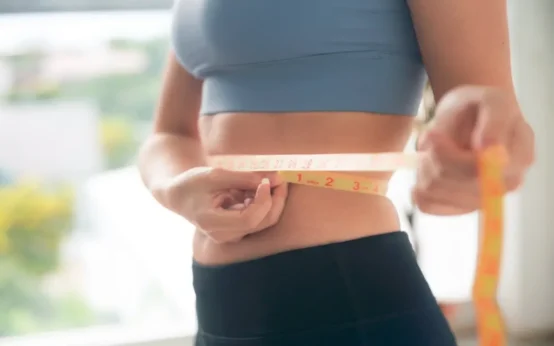
- Waist once weekly
- One progress photo in the same light and clothing
- Habit score out of 7, one point for each day you did your target habit
If progress stalls for two weeks, adjust one thing. Add a palm of protein, swap one carb for veggies, or add a 10-minute walk.
Conclusion
Small daily actions beat perfect plans. Use simple meals, short workouts, and tiny habits to create steady results. Pick one habit to start today, plan one 15-minute block, and write a tiny grocery list. You now have a clear path with a guide to weight loss for busy people in today’s society. Keep it light, keep it repeatable, and keep going.
Related post:
- Best Cardiovascular Exercise for Weight Loss
- Protein Diet and Weight Loss
- Meal Prepping Ideas for Weight Loss
A Guide to Weight Loss for Busy People in Today’s Society FAQs:
What’s a realistic rate of weight loss when you’re busy?
Aim for 0.5 to 1 pound per week. That pace protects muscle, keeps hunger manageable, and fits a normal schedule.
How do I eat in a calorie deficit without counting every calorie?
Use a simple plate method. Half non-starchy veggies, a palm of protein, a cupped hand of carbs, a thumb of healthy fats. Eat to 7 out of 10 fullness.
What are fast, high-protein meal ideas?
- Greek yogurt with berries and nuts
- Rotisserie chicken, bagged salad, olive oil
- Tuna pouch, whole-grain crackers, carrots
- Cottage cheese, cherry tomatoes, avocado
- Eggs, frozen veggies, salsa
Does intermittent fasting help if I have no time?
It can. A 12 to 16 hour overnight fast may reduce snacking and simplify meals. Focus on protein, fiber, and whole foods during eating windows. Skip it if it triggers overeating.
What’s the minimum effective exercise for fat loss?
Three 25 to 40 minute sessions a week. Prioritize strength training, add brisk walking on other days. Strength protects muscle while you lose fat.
I sit all day. How can I burn more without long workouts?
Boost NEAT, your non-exercise movement. Set a 50 minute timer, then take a 2 to 5 minute walk. Park farther, take calls standing, use the stairs. Target 7,000 to 10,000 steps a day.
Is cardio or strength better for busy people?
For body composition, strength wins. Do full-body lifts 2 to 3 times a week, then add short cardio or brisk walks for heart health and extra burn.
How do I handle work lunches and eating out?
Scan the menu first. Choose a lean protein, a veggie side, and a starchy carb you can portion. Ask for sauces on the side. Stop at lightly satisfied, not stuffed.
What do I do when the scale stalls?
Check the basics for 2 weeks. Hit protein, nail portions, reduce liquid calories, sleep 7 hours, manage stress. Track waist, photos, and how clothes fit. Adjust calories down by 100 to 200 per day if needed.
How much protein do I need?
About 0.7 to 1.0 grams per pound of goal body weight. Split across meals. Protein raises fullness and helps keep muscle during a deficit.
Do I have to eat breakfast to lose weight?
No. Meal timing is flexible. Eat when it helps you control hunger and perform well. If you train early, a small protein and carb snack can help.
Can I drink alcohol and still lose weight?
Yes, in moderation. Limit to 1 to 2 drinks, not daily. Choose lower calorie options, like spirits with soda water. Eat protein and veggies first, then keep portions tight.
How important is sleep for fat loss?
Very. Less than 7 hours raises hunger hormones and cravings. Set a hard bedtime, dim screens, and keep the room cool and dark.
What should I meal prep if I only have an hour?
Pick one protein, one carb, two veggies, and a sauce. Example, chicken thighs, microwavable brown rice, broccoli and peppers, yogurt herb sauce. Portion into 4 to 6 boxes.
Are snacks okay?
Yes, plan them. Pair protein and fiber. Examples, apple and peanut butter, jerky and snap peas, cheese stick and grapes, edamame, protein shake.
What’s the best way to track progress without obsessing?
Use a simple weekly check. Weight, waist, and 2 photos. Track steps and workouts. If trends improve over 2 to 4 weeks, keep going.
How do I stay on track while traveling?
Book a hotel with a gym or bring bands. Pack snacks with protein. Aim for one anchored meal, like a protein-heavy breakfast. Walk airports and explore on foot.
Are weight loss drugs like GLP-1s an option?
They can help some people with medical guidance. They work best with lifestyle changes, like protein, fiber, sleep, and strength training. Speak with your healthcare provider.
What should I do on days I can’t work out?
Keep movement with short walks and bodyweight moves, like squats, pushups, planks. Focus on hitting protein and veggies. One missed workout is not a setback.
How do I control cravings at night?
Eat enough protein and fiber at dinner. Brush your teeth after. Keep tempting foods out of sight. If you snack, choose a planned option under 200 calories with protein.
Do supplements help?
Some can, not many. Whey or plant protein helps you hit protein goals. Creatine supports strength. Caffeine can aid workouts. Fiber supplements help if intake is low. Skip fat burners.
How many carbs should I eat?
Carbs are fine, especially around workouts. Choose mostly whole grains, fruit, beans, and starchy veggies. Adjust portions to hit your calorie target.
What’s a simple weekly plan to follow?
- Lift 2 to 3 days, full-body
- Walk daily, hit steps
- Protein at each meal, veggies twice a day
- Plan 1 to 2 higher calorie meals, keep portions smart
- Sleep 7 hours, manage stress with a 5 minute daily practice
How do I build meals that keep me full?
Use the PFF method. Protein, fiber, and fat in each meal. Example, salmon, quinoa, roasted broccoli, olive oil and lemon.
When should I see a doctor or dietitian?
If you have a medical condition, take medications that affect weight, or struggle despite consistent habits. A professional can tailor a plan and monitor health.
 How to Start a Weight Loss Program
  What Vitamin Deficiency Makes It Hard to Lose Weight?
  Improve Fat Burning With a Metabolism Reset Diet
  How to Avoid Loose Skin When Losing Weight
  Good Eating Habits for Weight Loss
  Best Cardiovascular Exercise for Weight Loss