

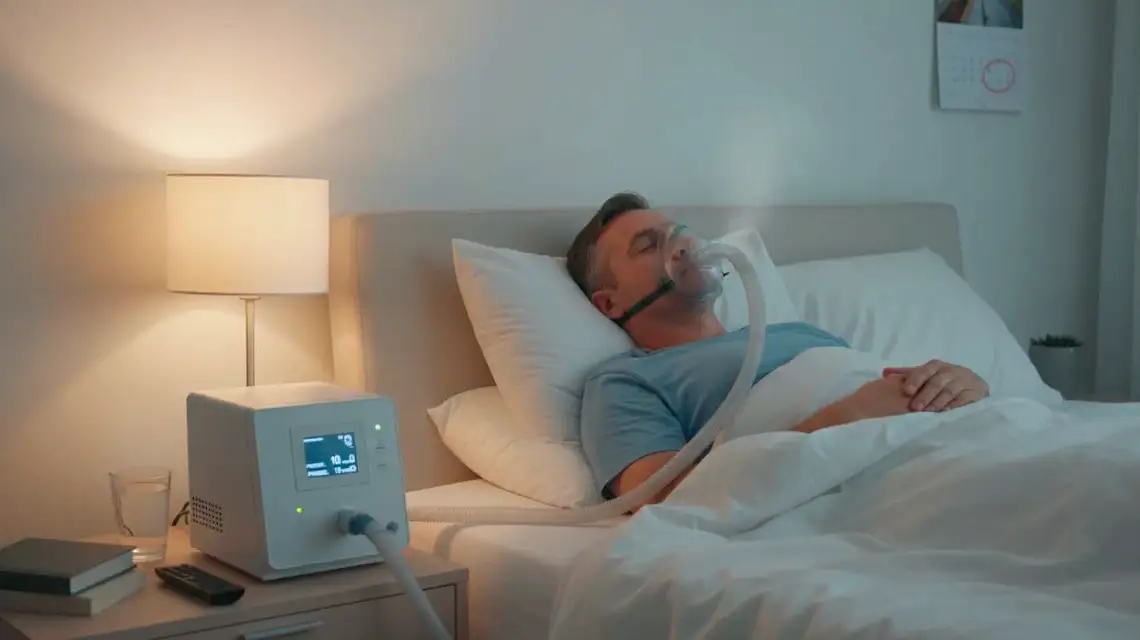
Is your partner nudging you about snoring, or are you waking up tired and foggy? Many people search for one big question: is sleep disordered breathing sleep apnea. The quick answer is simple. Sleep apnea is one type of sleep disordered breathing, but not all sleep disordered breathing is sleep apnea.
In this guide, you will learn what sets them apart, how symptoms show up in adults and kids, how doctors diagnose the problem, and the treatments that actually help. We will also touch on related terms people use, like snoring and UARS. The tone is friendly and practical, so you leave with clear next steps and less worry.
Is sleep disordered breathing the same as sleep apnea? The short answer
Think of sleep disordered breathing (SDB) as a big umbrella. Sleep apnea sits under that umbrella as one specific condition. Other breathing problems during sleep sit there too, each with its own pattern and impact on health.
An easy analogy helps. Imagine a road at night. Traffic can slow, stop, or become uneven. Your airway can do the same during sleep. It can narrow a bit, it can close off for a few seconds, or the drive to breathe can become unstable. Each of these changes affects airflow, oxygen levels, and how deeply you sleep.
Here is what that means in plain terms:
- Partial blockage, you still breathe, but it is harder. This can cause snoring, light drops in oxygen, and brief arousals that you might not notice.
- Full blockage, airflow stops for at least 10 seconds in adults. Oxygen can fall, and your brain triggers a small wake-up to reopen the airway.
- Unstable drive to breathe, your brain’s signal wobbles, so breathing pauses happen even without a blocked throat.
Sleep apnea usually refers to a pattern of repeated breathing pauses with either a blocked airway (obstructive) or a misfiring signal from the brain (central). Other forms of sleep disordered breathing include simple snoring and upper airway resistance syndrome. Symptoms can overlap, which is why many people ask, is sleep disordered breathing sleep apnea. The idea to remember is this. SDB is the category. Sleep apnea is one specific diagnosis inside that category.
What sleep disordered breathing means
Sleep disordered breathing is a group of conditions where airflow is not normal during sleep. Examples include:
- Primary snoring, noisy breathing without frequent drops in oxygen or clear arousals.
- Upper airway resistance syndrome (UARS), increased resistance to airflow that fragments sleep without many full apneas.
- Obstructive sleep apnea (OSA), repeated airflow blockage from relaxed throat tissues.
- Central sleep apnea (CSA), breathing pauses due to irregular signals from the brain.
These conditions share symptoms like snoring, tiredness, and restless sleep, but they are not all the same.
What obstructive sleep apnea is
Obstructive sleep apnea happens when throat tissues relax during sleep and block airflow. Oxygen levels can drop, and your brain triggers brief arousals to reopen the airway. OSA ranges from mild to severe, based on how often events happen. Signs often include loud snoring, observed pauses in breathing, gasping, and daytime sleepiness.
Other related terms you may hear: UARS, central apnea, primary snoring
- UARS, increased airway resistance that disrupts sleep without many full apneas or big oxygen drops.
- Central apnea, breathing pauses because the brain does not send a steady signal to breathe.
- Primary snoring, noisy breathing without frequent oxygen drops or frequent sleep disruptions.
So, is sleep disordered breathing sleep apnea?
Here is the bottom line. Sleep apnea is a type of sleep disordered breathing, but there are non-apnea types too, like snoring and UARS. Symptoms overlap, which makes guessing at home risky. If you or your child snores, feels worn out, or struggles with focus or behavior, get checked. Next, let’s cover the signs and risks so you know what to watch for.

Symptoms and risks: how to spot problems early
Symptoms differ between adults and kids. Some people feel sleepy. Others feel wired, irritable, or foggy. Pay attention to patterns over weeks, not just one rough night. Risks build over time, so early action helps.
Common signs in adults
- Loud, frequent snoring
- Witnessed pauses in breathing
- Gasping or choking at night
- Dry mouth or sore throat in the morning
- Morning headaches
- Daytime sleepiness and poor focus
- Irritability or low mood
- Frequent bathroom trips at night
Different signs in children and teens
Kids may not look sleepy. They may look hyper or unfocused. Watch for:
- Mouth breathing or noisy breathing during sleep
- Restless sleep or odd positions
- Snoring or pauses you can see or hear
- Bedwetting after age 6 or new accidents
- Slow growth, picky eating, or poor weight gain
- Crowded teeth or narrow palate
- Behavior or learning problems, attention struggles
Health risks if you ignore sleep disordered breathing
Untreated SDB can stress the heart and brain. In adults, it links to higher blood pressure, heart rhythm problems, insulin resistance, weight gain, low mood, and anxiety. It raises crash risk from drowsy driving. In kids, it can affect behavior, attention, mood, and school performance. These risks vary by person, but steady snoring with daytime issues deserves attention.
Red flags that need quick medical care
Do not wait if you notice:
- Severe daytime sleepiness while driving or working around hazards
- Long breathing pauses with blue lips or face
- Choking awakenings with chest pain or shortness of breath
- Signs of heart failure, such as leg swelling with breathlessness at night
- Poor oxygen numbers on a wearable paired with symptoms
Get care right away if any of these happen.
How doctors diagnose sleep disordered breathing and sleep apnea
Diagnosis starts with a good history, then a sleep test if needed. Your doctor will ask when symptoms began, how often they occur, and how they affect your days. The goal is to match your story with the right test and plan.
When to see a doctor and what to share
Book a visit if snoring is frequent, if someone sees pauses, or if you are sleepy most days. Bring:
- A two-week sleep diary with bedtimes, wake times, naps, and how you feel
- Notes on snoring, gasping, or witnessed pauses
- A short phone voice memo of snoring if safe to record
- A list of medications, supplements, and alcohol or caffeine use
- Health history, including nose allergies, reflux, or weight changes
Screening tools and a simple exam
For adults, common screeners include STOP-Bang and the Epworth Sleepiness Scale. For kids, many clinics use BEARS questions to screen for sleep issues. Your exam may include a quick airway check, looking at the nose, tongue, tonsils, and palate. Neck size in adults can hint at risk but is not a diagnosis.
Sleep tests explained: home test vs lab study
Home sleep apnea tests are best for adults who likely have moderate to severe obstructive sleep apnea and do not have major lung, heart, or neuromuscular disease. These tests track breathing, oxygen, and heart rate while you sleep at home.
In-lab polysomnography measures more signals, such as brain waves, leg movements, and full airflow, and it is the standard for kids. It is also used if central apnea is suspected, if the home test is negative but symptoms persist, or if other medical issues make a home test less reliable.
Understanding your results: AHI, RDI, and severity
AHI means apnea-hypopnea index. It is the average number of apneas and hypopneas per hour of sleep. RDI means respiratory disturbance index. It includes AHI plus other breathing events that fragment sleep.
In adults:
- Mild: AHI 5 to 14
- Moderate: AHI 15 to 29
- Severe: AHI 30 or more
Kids use lower cutoffs. Even a few events per hour can be meaningful, so a pediatric sleep specialist should guide care.
Treatment options that help you breathe and sleep better
There are many ways to treat SDB and sleep apnea. Most people improve when they combine the right therapy with small daily habits. A care team can adjust your plan over time, so it fits your life.
Lifestyle steps that make a real difference
- Weight management if needed, even a modest loss can help airflow.
- Alcohol timing, avoid within 3 to 4 hours of bedtime.
- Nose care, saline rinses or nasal steroid sprays if advised by your clinician.
- Side sleeping, avoid flat back sleeping if it worsens snoring or apneas.
- Head-of-bed elevation with a wedge or adjustable frame.
- Allergy control, treat congestion and triggers.
- Myofunctional therapy, tongue and mouth exercises as an add-on for select patients.
Devices and therapies: CPAP, oral appliances, positional aids
- CPAP, a steady air pressure keeps the airway open during sleep.
- APAP, auto-adjusting pressure responds to changes through the night.
- BiPAP, two pressure levels, often used if high pressure is needed or if comfort is an issue.
- Oral appliance therapy, a custom mouthpiece fitted by a trained dentist that moves the jaw slightly forward. Often used for mild to moderate OSA or when CPAP is hard to use.
- Positional devices, wearable trainers or pillows that keep you off your back.
- Nasal EPAP, small valves over the nostrils that create back pressure during exhale for selected cases.
Tips for comfort and use: get a proper mask fit, try different cushion types, use humidification, and ease into therapy during relaxing evening routines.
Surgery and procedures for the right cases
Some people need structural help. Options include:
- Tonsil and adenoid removal in children with large tissues and symptoms
- Nasal procedures, such as septoplasty or turbinate reduction for blockage
- Soft palate surgery in selected adults
- Jaw advancement for severe cases with small jaws or clear airway collapse
- Hypoglossal nerve stimulation for eligible adults who cannot tolerate CPAP
A sleep team reviews airway anatomy, sleep study data, and your goals before recommending any procedure.
Follow-up, support, and when to get a second opinion
Good follow-up keeps progress on track. Track symptoms, energy, and device use. Check mask fit or oral appliance adjustments after changes in weight, dental work, or jaw comfort. Plan a follow-up sleep study when needed to confirm results. If symptoms persist or your results do not match how you feel, seek a second opinion. Your experience matters.
Conclusion
Sleep disordered breathing is the big category, and sleep apnea is one part of it. That clears up the question, is sleep disordered breathing sleep apnea, and gives you the right words to ask for help. If the signs fit, take a screening quiz, talk with a sleep-trained doctor or dentist, and ask whether a home test or lab study makes sense. Better sleep and safer breathing are possible with the right plan and steady support.
Related post:
- Sleep Meditation Techniques for Fighting Insomnia Naturally
- Can We Sleep With Contact Lenses?
- How Do You Sleep With Someone Who Snores?
Sleep Disordered Breathing vs. Sleep Apnea: FAQs
Is sleep disordered breathing the same as sleep apnea?
No. Sleep disordered breathing (SDB) is the umbrella term. Obstructive sleep apnea and central sleep apnea are types of SDB. Snoring and upper airway resistance syndrome also fall under SDB.
What is obstructive sleep apnea?
It is repeated blockage of the airway during sleep. Breathing slows or stops, oxygen can drop, and sleep gets disrupted. The brain wakes you briefly to reopen the airway.
What is central sleep apnea?
The brain does not send steady signals to breathe. The airway is not blocked, but breathing pauses still happen. It is less common than obstructive sleep apnea.
How do I know if I have SDB or just snoring?
Snoring is sound from vibrating tissues. SDB involves airflow reduction or pauses, arousals, or oxygen drops. Signs include choking, gasping, witnessed pauses, morning headaches, or daytime sleepiness. If these occur, get evaluated.
What symptoms should I watch for?
Loud snoring, choking or gasping, dry mouth, morning headaches, fragmented sleep, and daytime fatigue. Some people notice mood changes, trouble focusing, or drowsy driving.
How is sleep apnea diagnosed?
With a sleep study. Polysomnography in a lab tracks breathing, oxygen, brain waves, and movement. A home sleep apnea test can diagnose obstructive sleep apnea in many adults with high likelihood. A clinician decides the best option.
What do AHI and RDI mean?
AHI is the apnea hypopnea index, the number of apneas and hypopneas per hour. RDI adds respiratory effort related arousals. Higher numbers mean more severe sleep apnea.
Who is at higher risk?
Risk rises with excess weight, a recessed jaw, large tonsils, a thick neck, nasal blockage, and aging. Men are at higher risk, though women are affected too, especially after menopause and during pregnancy. Family history also matters.
Do children get sleep disordered breathing?
Yes. Common signs are snoring, mouth breathing, restlessness, bedwetting, and behavior or attention problems. Enlarged tonsils and adenoids are common causes. Pediatric evaluation is important.
Is snoring always harmless?
No. Snoring without pauses may be benign. But loud, frequent snoring with daytime symptoms often signals sleep apnea. If a partner hears pauses or gasps, seek testing.
What treatments are available?
Options include CPAP or APAP, oral appliances for mild to moderate obstructive sleep apnea, positional therapy, weight loss, allergy or nasal treatments, and surgery in select cases. The best choice depends on the cause and severity.
Does CPAP always fix the problem?
CPAP is highly effective when used consistently. Proper mask fit, pressure settings, and humidity matter. Work with your clinician to address discomfort, leaks, or dryness.
Can lifestyle changes help?
Yes. Weight loss if needed, side sleeping, limiting alcohol near bedtime, treating nasal congestion, and keeping a regular sleep schedule can reduce symptoms. These steps can complement medical therapy.
What happens if sleep apnea goes untreated?
Risks include high blood pressure, heart disease, stroke, abnormal heart rhythms, type 2 diabetes, and mood or memory problems. Daytime sleepiness raises crash risk. Do not drive if you feel drowsy.
Is sleep disordered breathing dangerous during pregnancy?
It can raise risks for high blood pressure, preeclampsia, and gestational diabetes. Snoring or witnessed pauses in pregnancy deserve prompt evaluation.
Can a dentist help with sleep apnea?
Dentists trained in dental sleep medicine can provide custom oral appliances. These hold the jaw forward to keep the airway open. They suit many people with mild to moderate obstructive sleep apnea or those who cannot use CPAP.
How often should treatment be checked?
At least yearly, or sooner if symptoms return, weight changes, or the device feels ineffective. Mask fit, appliance fit, and pressures may need updates.
When should I talk to a doctor?
If you snore loudly, stop breathing during sleep, wake choking, feel excessively sleepy, or have related health issues, schedule an evaluation. Early diagnosis leads to better sleep and better health.

Gas S. is a health writer who covers metabolic health, longevity science, and functional physiology. He breaks down research into clear, usable takeaways for long-term health and recovery. His work focuses on how the body works, progress tracking, and changes you can stick with. Every article is reviewed independently for accuracy and readability.
- Medical Disclaimer: This content is for education only. It doesn’t diagnose, treat, or replace medical care from a licensed professional. Read our full Medical Disclaimer here.