
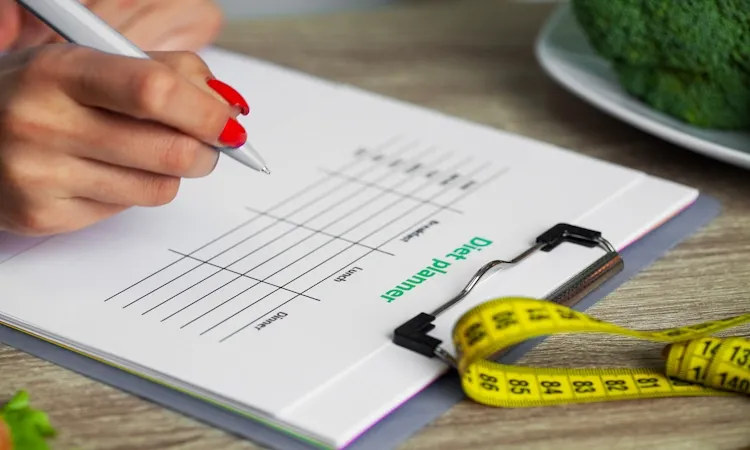
The scale stops moving, and suddenly every choice feels suspect. You’re eating better, training hard, and trying to stay patient, yet nothing seems to change.
That moment is frustrating, but it doesn’t always mean fat loss has stopped. A true plateau is different from a few flat weigh-ins caused by water weight, sodium, stress, hormones, travel, or slow digestion. In other words, your body can look stuck while progress is still happening under the surface.
This guide gives you a practical troubleshooting a fat loss plateau checklist you can work through in order. First, confirm that the stall is real. Then check the habits that most often cause it. After that, make one smart adjustment instead of blowing up your whole plan.
First, make sure it is really a fat loss plateau
Weight Loss Programs

Diet & Weight Loss

Diet & Weight Loss

Diet & Weight Loss
The Book on Heat – Unlocking Metabolic & Weight Loss Strategies

Diet & Weight Loss
Most people panic too early. That’s the first mistake.
Body weight can stay flat for a week or two even while body fat is dropping. Your body stores and releases water all the time, and that can hide real progress. As Mayo Clinic explains about weight-loss plateaus, stalls are common, especially after early weight loss happens fast.
A plateau usually means no meaningful change for at least 2 to 4 weeks, not just a rough weekend or a few higher weigh-ins. So before you cut calories again, slow down and check your data.
Look at trends, not just one weigh-in
One weigh-in is like one frame from a movie. It can be real, but it rarely tells the whole story.
Daily weigh-ins work best when you use them to spot a trend. Weigh yourself under the same conditions, then compare weekly averages. If this week’s average is lower than last week’s, progress is still happening, even if a random day jumps up.
Also, don’t rely on scale weight alone. Use progress photos, waist measurements, gym performance, and how your clothes fit. Sometimes the scale stays flat while your waist gets smaller. That’s not failure. That’s delayed feedback.
If you’ve only been stalled for a few days, you probably don’t need a new plan. You need more time and better tracking.
Watch for water weight that hides real progress
Water can mask fat loss for several reasons. A salty restaurant meal can push scale weight up. So can a hard leg day, because sore muscles hold extra fluid while they recover. Poor sleep, high stress, long travel days, constipation, and menstrual cycle changes can all do the same thing.
That’s why a short stall doesn’t answer the question, “Why weight loss stalled despite calorie deficit?” Sometimes the answer is simple: it didn’t stall, it just got buried.
If fat loss is a slow leak, water weight is a fogged-up window. The loss may still be there, you just can’t see it clearly yet.
If this sounds familiar, keep your routine steady for another 7 to 10 days before changing anything.
Check the habits that most often stall fat loss
Once you’ve ruled out a false alarm, move to the common stuff first. Most plateaus come from a few fixable habits, not a rare metabolism problem.
This is the core of any fat loss plateau causes checklist. Start with the things that drift over time because they’re easy to miss and easy to underestimate.
Are hidden calories wiping out your calorie deficit?
This is one of the biggest issues, especially after the first few months of dieting. People stop measuring as closely, portions creep up, and little extras sneak in. A tablespoon here, a bite there, a weekend meal that turns into a weekend pattern, and your deficit fades.
Think about cooking oils, sauces, dressings, coffee add-ins, handfuls of nuts, bites while cooking, and “healthy” foods that are still calorie-dense. Alcohol matters too. Besides adding calories, it often lowers food control later in the day.
This is why hidden calories stopping fat loss progress is such a common theme. Your plan may still look clean on paper, but your actual intake may have drifted. A short reset helps. For 10 to 14 days, weigh key foods like oils, nut butters, rice, cereal, snacks, and restaurant leftovers. You don’t need to do this forever. You just need to find the blind spots.
If you want a plain-language overview of why a calorie deficit can stop working as expected, this guide on weight loss plateau in a calorie deficit covers the usual reasons well.
Has your movement dropped without you noticing?
Workouts matter, but daily movement matters more than many people think. This is where NEAT comes in, which means non-exercise activity thermogenesis. That’s the energy you burn walking, standing, cleaning, pacing, carrying groceries, and moving through normal life.
When you diet, NEAT often drops without warning. You sit more. You take fewer steps. You stop fidgeting. You feel fine enough to train, but lower energy shows up everywhere else. As a result, your daily calorie burn shrinks.
Cleveland Clinic has a useful explainer on non-exercise activity thermogenesis, and it’s worth reading if this term is new to you.
Before you add more cardio, check your step count. Compare today’s average to the start of your diet. If you were getting 10,000 steps and now you’re getting 6,500, that change alone can help explain the stall. Often, bringing movement back up works better than hammering yourself with more hard workouts.
Make smart adjustments before you cut calories again
When progress slows, most people want to slash food and do more exercise at the same time. That feels productive, but it usually backfires. Hunger rises, recovery gets worse, and adherence gets shaky.
A better plan is simple, measurable, and boring enough to repeat.
Tighten up the basics for 10 to 14 days
Think of this as a short audit, not a punishment.
Keep meals consistent during the week. Hit your protein target. Weigh calorie-dense foods. Plan weekends before they happen. Drink enough water. Sleep a little more. Keep step count steady. Then watch the trend, not the day-to-day noise.
This kind of reset often reveals the real issue fast. Maybe portions were drifting. Maybe weekends were wiping out weekdays. Maybe sleep debt was driving cravings and water retention. A clean 10 to 14 days tells you more than another random month of “mostly on track.”
A simple audit can look like this:
- Protein first: Build meals around protein so hunger stays lower and muscle is easier to keep.
- Repeat meals: Use a few familiar breakfasts and lunches to reduce guesswork.
- Weigh the big hitters: Oils, snacks, cereal, rice, peanut butter, cheese, and dressings matter most.
- Control weekends: Keep restaurant meals and alcohol planned, not casual.
- Hold movement steady: Set a step floor you can hit every day.
That’s often the fastest answer to diet plateau troubleshooting steps for weight loss. Not sexy, but effective.
When to reduce calories, add activity, or take a diet break
If adherence has been strong and progress has truly stalled for 2 to 4 weeks, make one change. Not three.
You have three main options:
- Reduce calories slightly: Cut 100 to 200 calories a day, usually from fats or carbs.
- Increase activity modestly: Add 1,500 to 3,000 daily steps, or 2 to 3 short cardio sessions per week.
- Take a diet break: Spend 1 to 2 weeks around estimated maintenance if you’ve been dieting hard for a long time and fatigue is high.
Pick one option and hold it long enough to judge it. If you cut food and add cardio together, you won’t know what helped, and the plan may become hard to stick with.
Many people worry about metabolism slowdown and need a fat loss plateau fix right away. The truth is more grounded. Your body does adapt to dieting. You weigh less, so you burn less. You may also move less without noticing. But plateaus are usually driven more by lower intake accuracy and lower energy output than by a “broken” metabolism.
For another practical look at how to break a weight-loss plateau, it helps to compare your own habits against a short list of common misses.
Red flags that can make fat loss harder than it should be
Sometimes the issue isn’t just food math. Recovery and health can push against fat loss in quiet ways.
Sleep, stress, and recovery can affect hunger and scale weight
Bad sleep can make everything feel harder. Hunger goes up, cravings hit harder, and your training often feels flat. At the same time, stress can increase water retention, which makes the scale more confusing.
Poor recovery also lowers spontaneous movement. You may still finish your workout, but then spend the rest of the day parked on the couch. That matters.
Keep this part simple. Aim for a more regular sleep schedule. Cut late-night scrolling. Get light in your eyes early in the morning. If stress is high, lower the pressure elsewhere. A slightly easier week of training can sometimes help more than pushing harder.
When it makes sense to talk to a doctor or dietitian
Get extra help if the plateau comes with major fatigue, missed periods, binge eating, digestive problems, medication changes, thyroid concerns, or PCOS symptoms. Also reach out if you’ve been very consistent for a long stretch and still see no progress.
A registered dietitian can spot intake gaps fast. A doctor can check for medical issues that make fat loss harder. Support matters, especially when the usual fixes don’t move the needle.
Most plateaus aren’t a sign of weak willpower. They’re a sign that your system needs a tune-up. First, confirm the plateau is real. Next, check tracking accuracy and daily movement. Then tighten the basics for two solid weeks before making one small change.
That order matters because it keeps you from overreacting. Consistency beats drastic moves almost every time. If the scale has been testing your patience, treat it like a clue, not a verdict, and work the checklist one step at a time.

The content provided on tokeepyoufit.com is intended for general informational and educational purposes only. All materials on this site, including articles, recipes, tips, guides, opinions, and product recommendations, are not a substitute for professional advice from a qualified medical, nutrition, or fitness expert. Users should consult a licensed professional before making any decisions related to health, diet, or exercise. Please read our full Medical Disclaimer here.
Dietary Supplements

Dietary Supplements
Dietary Supplements
Dietary Supplements
Joint Genesis – Daily Support for Comfortable, Confident Movement

Dietary Supplements