
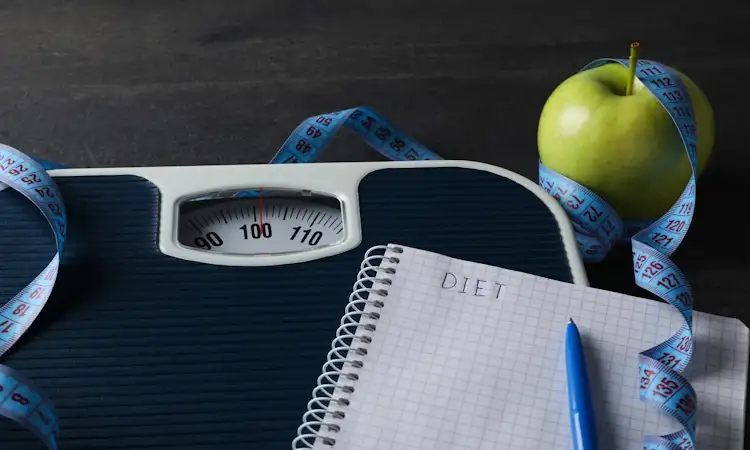
You eat less, move more, and still hit a wall. At first, the scale drops. Then it stalls, or worse, creeps back up. That pattern can feel personal, but it usually isn’t.
Set point theory and weight loss resistance offer a simpler way to understand what’s happening. The idea is that your body tries to protect a familiar weight range through body weight homeostasis. In plain terms, your brain, hormones, hunger, and energy use all work together to keep things stable.
That doesn’t mean your body is broken, and it doesn’t mean change can’t happen. It means fat loss is often more complex than “calories in, calories out” on paper. In this article, you’ll learn what set point theory means, why resistance shows up during dieting, and what realistic steps may help you make progress without fighting yourself every day.
When weight loss slows, biology often plays a role. Willpower isn’t the whole story.
What set point theory means, and why your body fights to stay the same
Weight Loss Programs

Dietary Supplements

Diet & Weight Loss

Diet & Weight Loss
Diet & Weight Loss
The Underground Fat Loss Manual – Hidden Strategies for Weight Management
Set point theory suggests your body prefers a familiar weight range, not one exact number. Think of it like a thermostat. When weight drops below that usual range, the body may respond by increasing hunger and lowering energy use. When weight rises, some signals may push the other way.
This is part of body weight homeostasis, a system built around survival. From the brain’s point of view, losing stored energy can look like a threat. So it reacts by trying to restore balance. A helpful overview from UT MD Anderson on set point weight explains why long-term weight loss can be so hard to maintain.
Set point theory helps explain why many people regain weight after strict dieting. It also helps explain why two people can follow similar plans and get very different results. Still, it’s not a rule carved in stone. Weight can change over time, and the body’s preferred range may shift with long-term habits, sleep, stress, activity, medications, and health status.
So the main takeaway is simple. Your body is trying to protect you, even when that protection feels frustrating.
Your body uses hormones, hunger, and energy use to defend weight
Hormonal regulation is a big part of this process. Two well-known appetite and satiety signals are leptin and ghrelin. Leptin helps signal fullness and long-term energy stores. Ghrelin helps drive hunger. During weight loss, leptin often falls while ghrelin rises. As a result, you may feel hungrier and less satisfied after meals.
At the same time, metabolism can shift. Resting energy use may drop, and your body may burn fewer calories during daily activity. That means the same calorie deficit that worked in month one may not work as well later. Research on leptin and ghrelin in appetite regulation helps show how these signals can pull eating behavior in opposite directions.
This is why dieting can feel like swimming upstream. Hunger gets louder, fullness gets quieter, and sticking to the plan takes more effort.
Set point is not the same as destiny
Genetic predisposition matters, but it doesn’t act alone. Your body isn’t locked into one outcome forever.
Sleep loss can increase hunger. Chronic stress can push emotional eating. Some medications can make weight loss harder. Conditions like PCOS or thyroid problems can also change the picture. On top of that, modern food environments make high-calorie foods easy to get and hard to resist.
So set point theory should never be used as a reason to give up. A better way to see it is this, biology sets the stage, but your daily life still shapes the story.
Why weight loss resistance happens during a calorie deficit
Weight loss resistance often shows up when the body senses a gap between energy coming in and energy going out. At first, a calorie deficit may work well. Then the body adapts.
Part of that is normal math. A smaller body needs less energy than a larger one. But there’s more to it than size alone. The body may also respond with metabolic adaptation, which means calorie burn drops more than you’d expect for the amount of weight lost. Reviews on body weight homeostasis in humans show that weight regulation involves many overlapping systems, not just simple willpower.
Meanwhile, cravings can get stronger. Thoughts about food may take up more space. Social events feel harder. You may skip the gym less often, yet still move less without noticing.
That last part matters. People often reduce spontaneous movement during dieting. They sit more, fidget less, and feel more tired. Those small changes can erase part of the deficit.
The mental load adds up too. Restriction asks for constant choices, and constant choices drain energy. So when progress slows, it doesn’t always mean you’re doing something wrong. Often, your body and environment are quietly pushing back.
Metabolic adaptation can make the same plan work less over time
Metabolic adaptation sounds technical, but the idea is simple. After weight loss, the body often becomes more energy-efficient.
You may burn fewer calories at rest. Workouts may use less energy because moving a lighter body takes less effort. Daily tasks also cost fewer calories than before. Some research on metabolic adaptation and short-term resistance supports this pattern, especially during low-calorie diets.
This doesn’t mean fat loss stops forever. It means the gap narrows. The same food intake and workout routine may lead to a plateau instead of continued loss.
That can feel unfair, because it is frustrating. But it’s also normal.
Behavior and environment can quietly push weight back up
Biology isn’t the only force at work. Behavioral and environmental factors often make resistance stronger.
Poor sleep raises hunger and lowers restraint. Stress can drive comfort eating, especially late in the day. Ultra-processed foods are easy to overeat because they pack a lot of calories into small portions. Alcohol adds calories and often lowers food control. In addition, busy schedules can shrink daily movement even when workouts stay on the calendar.
An all-or-nothing mindset makes this worse. One off-plan meal turns into a lost weekend. A missed workout becomes a skipped week. None of this means failure. It means habits need room for real life.
Weight regain usually doesn’t come from one big mistake. More often, it comes from many small pressures stacking up.
How to work with your body instead of against it
The goal isn’t to overpower your body. The goal is to make fat loss or maintenance easier to sustain.
That starts with habits that reduce hunger, protect muscle, and keep daily effort reasonable. Quick fixes rarely help for long. In contrast, steady routines give your body fewer reasons to fight back. A practical overview from Cedars-Sinai on why weight loss is hard highlights how hormonal and metabolic changes can show up during the process.
A better plan usually feels less dramatic than people expect. It’s built on regular meals, enough protein, more fiber, good sleep, and consistent movement. Those basics sound plain, but they support appetite, satiety, and energy use in ways crash diets don’t.
Build habits that lower hunger and protect muscle
Protein helps because it supports fullness and helps preserve lean mass during weight loss. Fiber helps too, since it slows digestion and makes meals feel more satisfying. Try to build meals around protein, plants, and foods with a high water content.
Strength training matters for a similar reason. It helps maintain muscle, and muscle supports energy use. You don’t need fancy programming. Two to four well-planned sessions a week can help.
Regular meals may also reduce rebound eating later. Some people do better when they stop “saving calories” all day and then feeling ravenous at night. Hydration helps a bit too, because thirst can blur into hunger.
Then there’s sleep. Too little sleep can make appetite and cravings harder to manage. Even modest sleep improvement can make a plan feel easier.
These steps aren’t flashy. Still, they give your body fewer reasons to sound the alarm.
Use a slower, steadier approach when weight loss resistance shows up
When progress slows, many people cut calories harder. That often backfires.
A smaller deficit is usually easier to hold. It may also reduce some of the hunger and fatigue that come with aggressive dieting. In some cases, planned diet breaks can help mentally, because they give structure without turning into a free-for-all. Guidance on managing a weight loss plateau also points to realistic adjustments over extreme ones.
Tracking trends works better than reacting to daily scale swings. Water, sodium, hormones, and stress can all move the number up and down. So look at weekly averages, not one random morning.
Also pay attention to other signs of change. Body measurements matter. So do how your clothes fit, your strength in the gym, your step count, and your energy during the day.
Slow progress can still be real progress.
When to get extra help, and what realistic success looks like
Sometimes weight loss resistance has a medical piece. If you’ve been consistent for a long time with food, movement, and sleep, yet nothing changes, it may be time to look deeper.
Thyroid issues, PCOS, menopause, insulin resistance, and some medications can all affect body weight, hunger, and energy use. A long history of repeated dieting can also make things harder by increasing stress around food and disrupting hunger cues.
This is where support helps. A doctor can review symptoms, labs, medications, and health history. A registered dietitian can spot patterns that are easy to miss when you’re tired and discouraged.
Real success also needs a wider frame. Lower blood pressure matters. Better blood sugar matters. More strength, better mobility, improved sleep, and a calmer relationship with food all count. If the scale is your only scorecard, you’ll miss a lot of progress.
Signs it may be time to talk with a professional
Pay attention if you have extreme hunger, constant fatigue, irregular menstrual cycles, fast regain after each diet, binge eating, or months of no progress despite steady effort. Those signs don’t prove one single cause, but they do suggest it’s time for a closer look. Support is also a good idea if you’re white-knuckling every day and feeling worse, not better, as time goes on.
Your body may need more than a tighter plan. It may need a better one.
Set point theory and weight loss resistance can make the process feel unfair, but the big message is still hopeful. Your body adapts to protect weight, and that can slow fat loss, raise hunger, and make maintenance harder. Still, patient, steady changes can work. Focus on habits that support body weight homeostasis instead of fighting it, and judge progress by more than the scale. If you’re stuck for a long time, get help. The best plan is one you can live with, not one you can survive for two weeks.

The content provided on tokeepyoufit.com is intended for general informational and educational purposes only. All materials on this site, including articles, recipes, tips, guides, opinions, and product recommendations, are not a substitute for professional advice from a qualified medical, nutrition, or fitness expert. Users should consult a licensed professional before making any decisions related to health, diet, or exercise. Please read our full Medical Disclaimer here.
Dietary Supplements

Dietary Supplements

Dietary Supplements

Dietary Supplements
GlucoBerry – Daily Support for Healthy Blood Sugar and Energy
Dietary Supplements