
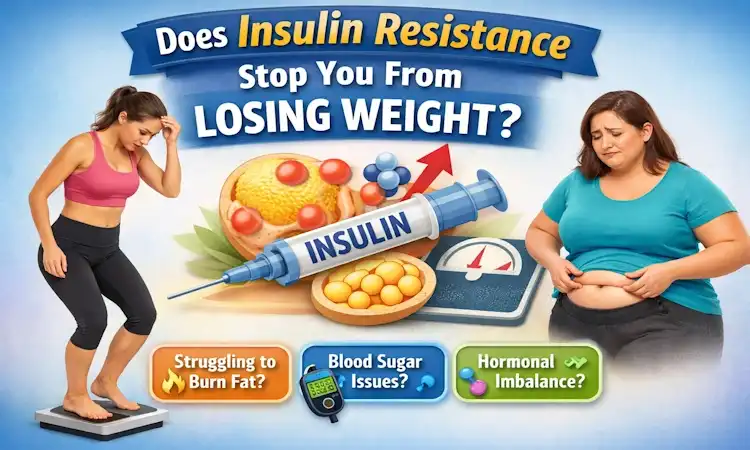
You’re eating less, moving more, and skipping seconds. Still, the scale won’t budge, or it moves one week and stalls for three. If that sounds familiar, you might wonder if insulin resistance is blocking your progress.
Insulin resistance means your cells don’t respond to insulin as well, so your body often makes more insulin to keep blood sugar steady. Here’s the hopeful part: it usually does not stop weight loss completely, but it can make weight loss harder and slower.
This article breaks down why that happens, how to spot clues in your day-to-day life, what labs can help confirm it, and the best way to lose weight with insulin resistance without living on willpower alone.
Does insulin resistance stop you from losing weight, or just make it harder?
Weight Loss Programs

Diet & Weight Loss

Diet & Weight Loss

Diet & Weight Loss

Diet & Weight Loss
“Stop” and “make harder” feel the same when you’re frustrated, but they’re not the same biologically.
Your body still follows energy balance. If you consistently take in fewer calories than you use, weight loss can happen. However, insulin resistance can change how that deficit feels, because it often affects hunger, cravings, and energy. That’s why two people can eat “the same” and have very different results.
Insulin’s main job is to move sugar from your blood into your cells for energy, and to help store extra energy for later. With insulin resistance, your muscles, liver, and fat cells don’t “hear” insulin’s signal as clearly. As a result, your pancreas often produces more insulin to get the same job done.
So, does insulin resistance stop you from losing weight? For most people, no. It usually makes weight loss more difficult by pushing the body toward storing energy more often and by turning up the volume on appetite.
If you want a deeper explanation of why weight loss can feel stubborn with insulin resistance, this overview from a medical center is a helpful starting point: insulin resistance and weight management.
How higher insulin can slow fat loss without breaking the laws of physics
Think of insulin like a traffic signal for fuel use. When insulin is higher, your body tends to use more incoming fuel (blood sugar) and store more of what’s extra. When insulin is lower between meals, it’s often easier to tap into stored energy.
With insulin resistance, insulin may run higher more often, especially after carb-heavy meals or sugary drinks. That doesn’t “lock” your fat stores shut, but it can mean you spend less time in that in-between state when the body comfortably pulls from stored fat.
In real life, this can look like:
- Slower weekly loss, even with solid effort
- More plateaus, especially if stress or sleep gets worse
- More hunger, which makes the calorie deficit harder to keep
Progress still happens, but it may take more consistency and better tools than “eat less, move more.”
Why insulin resistance often leads to weight gain in the first place
Insulin resistance and weight gain often feed each other. Weight gain can worsen insulin resistance, and insulin resistance can make weight gain easier.
Here are common reasons it happens, in plain terms:
Cravings get louder. Big blood sugar swings can trigger a strong pull toward sweets, chips, and quick carbs.
Hunger comes back sooner. A meal that should hold you for four hours might only last two.
Energy drops. When you feel tired, you move less without noticing, and workouts feel harder.
Sleep and stress slide. Poor sleep and chronic stress often increase appetite and reduce patience for meal planning.
Ultra-processed foods make it easy to overeat. They’re calorie-dense and not very filling, so portions creep up fast.
Genetics, aging, and certain medications can also play roles. Still, the biggest wins usually come from daily habits you can control.
Signs you might be insulin resistant, and how to confirm it with your doctor
Insulin resistance can be quiet for years. Many people don’t find it until routine labs show higher blood sugar, higher triglycerides, or rising A1C. Others notice body changes first.
This section isn’t for self-diagnosis. It’s a way to gather clues and have a more useful talk with your clinician, especially if you have PCOS, prediabetes, type 2 diabetes, gestational diabetes history, or a strong family history.
For an overview of common symptoms people report, see symptoms and early signs of insulin resistance.
One important safety note: if you take diabetes meds or weight-loss meds, don’t change doses or stop medication without medical guidance. Better numbers can change your needs, and your clinician should help you adjust safely.
Everyday clues people notice before they ever get lab work
Not everyone has symptoms. Some people have several. Others have none until later. Still, these are common “hints” that insulin may be running high more often than it should:
- Belly weight gain (more weight around the waist than hips and thighs)
- Sleepiness after meals, especially after a carb-heavy lunch
- Intense sugar cravings, even when you’ve eaten enough
- Frequent hunger or feeling “snacky” all day
- Hard time losing weight despite consistency for months
- Darkened skin patches in body folds (often the neck or underarms, called acanthosis nigricans)
- Skin tags, especially if they’re increasing
- Irregular periods or fertility issues (often tied to PCOS)
- History of high triglycerides or high blood pressure
These clues don’t prove insulin resistance, but they can justify checking labs and looking at the whole picture.
Tests that can help you connect the dots
A single number rarely tells the full story. Trends over time matter more, and “normal” results can still hide early insulin resistance in some people.
This quick table shows common tests clinicians use and what they add to the puzzle:
| Test | What it measures | How it helps |
|---|---|---|
| Fasting glucose | Blood sugar after not eating | Screens for prediabetes and diabetes |
| A1C | Average blood sugar over ~3 months | Shows longer-term patterns |
| Fasting insulin | Insulin level after fasting | Can suggest compensation (higher insulin) |
| Lipid panel (triglycerides, HDL) | Blood fats | Patterns can align with insulin resistance |
| Oral glucose tolerance test (OGTT) | Sugar response after a glucose drink | Sometimes used in pregnancy, PCOS, and unclear cases |
The takeaway: ask your clinician what your results mean together, not in isolation.
If you want a clinician-focused overview of evaluation options, this reference is useful: insulin resistance workup.
The best way to lose weight with insulin resistance (simple steps that actually work)
A plan that depends on constant hunger isn’t a plan, it’s a countdown to burnout. The best way to lose weight with insulin resistance is the one that lowers cravings, improves fullness, and makes a calorie deficit feel more natural.
So, can you lose weight with insulin resistance? Yes, many people do. They usually succeed by building meals and routines that improve insulin sensitivity and reduce blood sugar spikes, while still keeping total intake in check.
Weight loss itself can also improve insulin sensitivity over time. If you want the “why” behind that, this explainer connects the dots: how weight loss improves insulin sensitivity.
Build meals that keep you full: protein, fiber, and smart carbs
You don’t need zero carbs for most bodies. You do need better carb choices and portions, plus enough protein and fiber to slow digestion.
A simple plate method works well:
- Protein (chicken, fish, lean beef, eggs, Greek yogurt, tofu)
- High-fiber plants (salad, broccoli, peppers, beans, berries)
- Smart carbs (potatoes, oats, brown rice, fruit) in a portion that fits your goals
- Healthy fats (olive oil, avocado, nuts) for satisfaction
Here are a few realistic meal examples:
- Breakfast: veggie omelet plus berries, or Greek yogurt with chia and walnuts
- Lunch: turkey or tofu salad bowl with beans and a vinaigrette
- Dinner: salmon, roasted veggies, and a small scoop of rice or potatoes
- Easy option: rotisserie chicken, bagged salad, and microwavable lentils
Also, sweet drinks can sabotage appetite. Swapping soda, sweet coffee drinks, or juice for water, sparkling water, or zero-sugar options often helps within days.
Move in a way that boosts insulin sensitivity fast
Exercise doesn’t have to crush you to help. Muscle acts like extra storage space for glucose, so your body can manage carbs with less insulin.
Three simple moves that work well:
Walk after meals. A 10 to 20-minute walk after one meal per day can smooth the post-meal spike for many people.
Strength train 2 to 3 times per week. Full-body basics work: squats or leg press, rows, presses, hip hinges, and carries. Start light and add reps over time.
Raise your daily steps. More low-intensity movement often beats a single hard workout followed by a day on the couch.
Beginner example: Monday and Thursday strength sessions (30 minutes), plus a 10-minute walk after dinner most days.
Sleep, stress, and timing: the hidden reasons weight loss feels harder
If your sleep is short or broken, hunger hormones tend to shift. Stress can do the same. Then cravings hit hardest at night, when willpower is lowest.
Small changes add up quickly:
- Keep a consistent sleep schedule most nights
- Eat protein at breakfast to reduce mid-morning cravings
- Limit late-night snacking, especially sugary foods
- Cut off caffeine earlier if it affects sleep
- Take short stress breaks (a 5-minute walk, breathing, or stretching)
- Plan 2 to 3 “default” meals for busy days
Some people notice that late-night sweets lead to bigger morning hunger. If that’s you, moving dessert earlier or reducing it can make the next day easier.
When medication or supplements come up, what to know
Lifestyle matters, but it isn’t always the whole answer. If you have prediabetes, type 2 diabetes, or PCOS, your clinician may discuss medications that improve insulin response or reduce appetite.
Common topics include metformin and GLP-1 medicines. These aren’t shortcuts, and they aren’t right for everyone. Still, they can be a helpful tool alongside habits.
Supplements deserve caution. Some people benefit from correcting a low nutrient level (for example, magnesium), but supplements don’t replace sleep, protein, steps, or strength training. Always check for interactions, especially if you take diabetes, blood pressure, or thyroid medication.
What to do if the scale still will not move (without giving up)
When weight loss stalls, it’s easy to assume you’re failing. Most stalls are data problems, recovery problems, or expectation problems.
First, set a realistic frame: with insulin resistance, slower loss is still progress. A steady 0.5 to 1 pound per week is meaningful, and some weeks you’ll see no change because of water, hormones, sodium, or soreness from lifting.
If your trend hasn’t changed in 3 to 4 weeks, check a few high-impact areas for one week:
- Track intake carefully (portions drift fast)
- Aim for enough protein at each meal
- Look at steps, not just workouts
- Progress strength training slowly (more reps, more weight, or more sets)
- Remove or reduce liquid calories
- Watch weekend creep (restaurant meals add up)
- Re-check sleep and stress, because both drive cravings
Also, measure more than weight. Waist size, progress photos, and how clothes fit often change before the scale does.
For a practical overview of weight loss and insulin resistance patterns, this guide is a solid read: insulin resistance and weight loss guide.
Medical check-ins matter too. Thyroid issues, certain antidepressants, steroids, and other meds can affect weight. PCOS may be part of the story if symptoms fit.
A quick checklist to break a plateau in the next 14 days
Pick a plan you can repeat, not a plan you “should” do.
For the next two weeks, try this:
- Keep meal times consistent most days
- Include protein at every meal
- Eat non-starchy veggies at two meals a day
- Hit 8,000 to 10,000 steps (or a realistic increase from your baseline)
- Do 2 strength sessions per week
- Walk 10 minutes after one meal daily
- Use a simple bedtime routine (same wind-down time, dim lights, phone away)
A plateau often breaks when your routines get boring again, because boredom usually means consistency.
Conclusion
Insulin resistance can make weight loss harder because it often raises hunger, cravings, and “store energy” signals. Still, it usually doesn’t make fat loss impossible. With the right habits, you can make progress and keep it.
Focus on three anchors: structured meals built around protein and fiber, strength training plus walking to improve insulin sensitivity, and sleep and stress support to calm cravings. Then give the plan time, because slower progress is still progress.
Start with one small change this week, then keep it up for 14 days. If the signs line up, talk with your clinician about testing and a plan that supports losing weight and fits your body and your routine.

The content provided on tokeepyoufit.com is intended for general informational and educational purposes only. All materials on this site, including articles, recipes, tips, guides, opinions, and product recommendations, are not a substitute for professional advice from a qualified medical, nutrition, or fitness expert. Users should consult a licensed professional before making any decisions related to health, diet, or exercise. Please read our full Medical Disclaimer here.
Dietary Supplements

Dietary Supplements
NeuroQuiet – Daily Support for Brain Health, Hearing, and Tinnitus Relief

Dietary Supplements

Dietary Supplements
Joint Genesis – Daily Support for Comfortable, Confident Movement
Dietary Supplements