

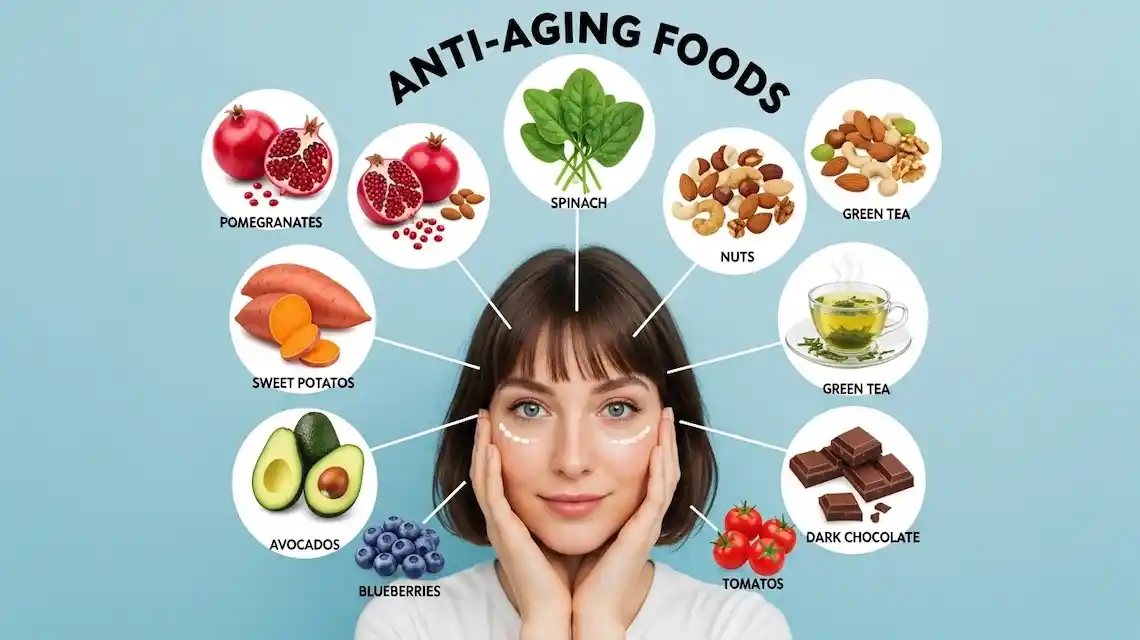
Fine lines show up first, then dull tone, dryness, and random redness. If that sounds familiar, you are not alone. The good news is simple. A smart diet can help with aging skin by feeding collagen, fighting free radicals, and calming inflammation. Food gives your skin raw materials and daily protection you cannot get from a jar alone.
This guide covers what to eat, what to limit, and a flexible 7-day plan you can start this week. Think colorful produce, steady protein, healthy fats, and easy swaps that fit real life. Expect practical tips, clear science, and a friendly plan you can actually follow.
Why Diet Can Help With Aging Skin: The Science Made Simple
Your skin is a living organ with layers that renew over time. Inside the deeper layer, collagen and elastin act like scaffolding. Collagen gives firmness and bounce, elastin allows stretch and recovery. With age, both decline, which shows up as sagging and wrinkles.
On the surface, the skin barrier is your shield. Picture tiny bricks and mortar. The bricks are skin cells, the mortar is lipids, or fats, that lock in water and keep out irritants. When the barrier is strong, skin looks smooth and calm. When it is weak, skin feels dry, tight, and red.
Daily life creates stress for your skin. UV light, pollution, poor sleep, and mental stress create free radicals, which are unstable molecules that chip away at cells. This is called oxidative stress. Antioxidants, like vitamin C, vitamin E, and polyphenols from plants, donate electrons to neutralize free radicals. The result is less damage, a brighter tone, and support for collagen.
Sugar adds a different problem called glycation. Extra sugar sticks to proteins like collagen, forming advanced glycation end products, or AGEs. These stiffen collagen and deepen wrinkles. Cutting added sugar slows that process.
Healthy fats and water matter too
Omega-3 fats calm inflammation and support the skin barrier. Olive oil provides antioxidants and monounsaturated fats that help keep skin soft. Hydration plumps cells and helps nutrients move where they need to go.
Your gut also talks to your skin. The microbiome in your intestines shapes inflammation and the immune response. Fiber feeds good bacteria, and fermented foods add more helpful strains. When your gut is happy, your skin often looks calmer and less reactive.
The takeaway is simple. Eat antioxidants to fight damage, get protein and minerals to build collagen, cut added sugar to reduce glycation, add healthy fats and water to strengthen the barrier, and support your gut with fiber and fermented foods.
Antioxidants fight free radicals that age skin
Free radicals form from UV exposure, air pollution, smoke, and stress. They steal electrons and create a chain reaction that harms cells. Antioxidants stop that chain.
- Vitamin C supports bright tone and helps your skin build collagen.
- Vitamin E protects cell membranes and works well with vitamin C.
- Polyphenols from plants help reduce oxidative stress, which supports even tone.
Easy sources:
- Citrus, strawberries, kiwi, bell peppers, broccoli for vitamin C
- Almonds, sunflower seeds, hazelnuts, and avocado for vitamin E
- Berries, grapes, green tea, cocoa powder, and herbs like oregano and rosemary for polyphenols
Collagen support foods help firmness and repair
Collagen loss shows up as fine lines and less spring. Your body makes collagen from amino acids, mainly glycine, proline, and hydroxyproline. You need protein to supply those building blocks. You also need vitamin C, zinc, and copper, which help form and cross-link the collagen fibers.
Helpful foods:
- Protein sources like chicken, eggs, fish, tofu, beans, lentils, and Greek yogurt
- Vitamin C foods like citrus, berries, and peppers
- Minerals from pumpkin seeds, cashews, chickpeas, oysters, and cocoa
- Bone broth or collagen peptides can add extra amino acids, pair with vitamin C for better support

Less sugar means less glycation and fewer wrinkles
Glycation happens when excess sugar binds to proteins, forming AGEs that make tissues stiff and brittle. In skin, this weakens collagen and elastin. Sugary drinks, lots of sweets, and refined carbs push this faster.
Simple swaps:
- Choose sparkling water with citrus instead of soda
- Pick oatmeal or yogurt with berries instead of sugary cereal or pastries
- Use whole fruit to satisfy a sweet craving, or a square of dark chocolate
Healthy fats and hydration strengthen the skin barrier
Your skin barrier locks in moisture and keeps irritants out. Omega-3 fats help reduce inflammation and support that seal. Olive oil adds protective compounds and helps absorb fat-soluble antioxidants.
Hydration basics:
- Aim for pale yellow urine by midday
- Start the day with a glass of water
- Add a pinch of salt and a splash of citrus to one glass if you sweat a lot or drink lots of coffee
Foods to include:
- Salmon, sardines, trout, walnuts, chia, and flax for omega-3s
- Avocado and extra virgin olive oil for moisture and antioxidant support
Eat This For Smoother, Brighter Skin: A Simple Shopping List
Build your cart around whole foods that give maximum skin return. Keep it simple, shop the perimeter, and add a few pantry staples so meals come together fast.
- Produce power players, grab berries, citrus, kiwi, tomatoes, carrots, sweet potatoes, leafy greens, bell peppers, cucumbers
- Protein, pick chicken thighs, eggs, canned tuna or salmon, tofu, tempeh, beans, lentils, Greek yogurt
- Healthy fats, buy extra virgin olive oil, avocados, walnuts, chia seeds, flaxseed meal
- Gut helpers, get yogurt with live cultures, kefir, sauerkraut, kimchi, miso
- Smart carbs, choose oats, brown rice, quinoa, whole-grain bread or tortillas, potatoes
Quick prep ideas:
- Wash and chop greens and peppers on Sunday, store in containers for easy salads
- Roast a sheet pan of carrots, sweet potatoes, and onions, then reheat all week
- Cook a pot of lentils or quinoa for bowls and wraps
- Mix olive oil, lemon, garlic, and herbs for a fast dressing or marinade
Budget friendly moves:
- Use frozen berries and spinach, they keep nutrients and cost less
- Buy canned fish in water or olive oil for affordable omega-3s
- Choose seasonal produce, it tastes better and saves money
Colorful fruits and veggies rich in vitamin C and carotenoids
Color equals antioxidants. Aim for a mix that hits different hues.
- Berries and citrus for vitamin C and bright tone
- Kiwi and tomatoes for extra C and lycopene
- Leafy greens, carrots, and sweet potatoes for carotenoids, which help with UV support and smoother texture
Tip, pair carotenoid-rich foods with a little fat. Add avocado to a spinach salad or drizzle olive oil over roasted carrots.
Healthy fats for moisture and glow
Omega-3s help calm redness and dryness. Monounsaturated fats help keep skin supple.
- Salmon, sardines, and trout for EPA and DHA
- Walnuts, chia, and flax for plant omega-3s
- Avocado and extra virgin olive oil for daily moisture
Cooking ideas:
- Bake salmon with lemon and herbs
- Toss warm veggies with olive oil and sea salt
- Make a quick vinaigrette with olive oil, lemon, and Dijon
If you eat fish, aim for two or three fish meals a week.
Protein and collagen boosters your skin needs
Protein keeps your skin structure solid and supports repair.
- Lean poultry, eggs, tofu, tempeh, beans, lentils, Greek yogurt
- Collagen peptides can help, take them with a vitamin C food, like berries or citrus
- Add protein to every meal, even snacks, to steady energy and support repair
Gut-friendly foods to calm skin from within
A balanced gut often shows up as calmer skin.
- Fermented foods, yogurt with live cultures, kefir, sauerkraut, kimchi, miso, tempeh
- Fiber sources, oats, beans, lentils, berries, leafy greens
- Prebiotics to feed good bacteria, garlic, onions, leeks, asparagus, and bananas
Start small with fermented foods and fiber, then increase as your body adjusts.
Cut Back On What Speeds Up Skin Aging
You do not have to be perfect to see progress. Use an 80 or 20 mindset. Eat skin-friendly foods most of the time, enjoy favorites in small amounts, and make smart swaps that fit your taste.
Label tips:
- Check the added sugar line, aim for low single digits per serving
- Scan ingredients, shorter lists usually mean less processing
- Look for healthy fats like olive oil instead of seed oils in fried snacks
Sugar and refined carbs: spot them and swap them
These hit fast, spike blood sugar, and add to glycation.
Common sources:
- Soda, sweet teas, pastries, white bread, candy, many boxed cereals
Better picks:
- Whole fruit instead of juice
- Dark chocolate, 70 percent or higher, for a square or two
- Oats or plain yogurt with berries for breakfast
- Whole-grain toast with nut butter instead of white toast with jam
Quick label tip, 4 grams of sugar is about 1 teaspoon. Keep total added sugar as low as you can day to day.
Processed meats, salty snacks, and trans fats
These can drive inflammation and puffiness in some people.
Watch out for:
- Deli meats, bacon, hot dogs, chips, pastries, and fried fast foods
- Trans fats on labels, look for partially hydrogenated oils and put it back
Smart swaps:
- Nuts, roasted chickpeas, or hummus with veggies
- Roasted turkey or chicken instead of deli slices
- Plain popcorn with olive oil and spices
Alcohol and too much caffeine can dry your skin
Alcohol pulls water from your body and may trigger redness. Caffeine late in the day can disrupt sleep, and poor sleep dulls skin.
Helpful limits:
- Set a weekly cap that fits your health goals, many do well with a few drinks a week
- Drink one glass of water between alcoholic drinks
- Choose lower sugar options, like dry wine, light beer, or spirits with soda water and lime
- Stop caffeine by early afternoon to protect sleep
High heat cooking raises AGEs: try gentler methods
Deep frying and heavy charring create more AGEs, which can stress collagen.
Try:
- Steaming, simmering, poaching, and slow cooking
- Marinate meat or tofu with lemon or vinegar, garlic, and herbs to reduce AGEs
- Use an air fryer or oven to roast at moderate temps, around 350 to 400°F, instead of max heat
A Realistic 7-Day Skin-Friendly Plan You Can Follow
The best plan is the one you repeat. Aim for a simple plate, a short prep routine, and flexible meals you can swap without stress. Most people notice a softer feel and better glow in 4 to 8 weeks.
Batch cook one or two proteins, roast a tray of veggies, and wash greens. Keep olive oil, herbs, citrus, and nuts on hand for fast flavor.
Budget tips:
- Buy store brands for olive oil, oats, frozen berries, and nuts
- Use canned beans, tuna, and tomatoes to build cheap, tasty meals
- Lean on eggs and lentils for low-cost protein
Eating out guidance:
- Order grilled fish or chicken
- Ask for olive oil and lemon for salads
- Add veggie sides, skip heavy sauces, and drink water first
Supplements can help fill gaps, but whole foods carry more benefits.
Your daily plate formula for youthful skin
Use this easy ratio at most meals.
- Half plate nonstarchy veggies, leafy greens, broccoli, peppers, tomatoes, cucumbers, carrots
- One quarter protein, chicken, fish, tofu, tempeh, eggs, beans, lentils, Greek yogurt
- One quarter smart carbs, quinoa, brown rice, oats, potatoes, whole-grain bread
- A thumb of healthy fat, olive oil drizzle, avocado slices, nuts, or seeds
Portion cues:
- Protein, palm size
- Carbs, cupped hand
- Fats, thumb
- Veggies, fill the rest
7-day menu ideas and simple swaps
Use this one-day template, then mix and match all week.
- Breakfast, Greek yogurt with berries, chia, and a drizzle of honey, or a smoothie with spinach, frozen berries, collagen peptides, and water or kefir
- Lunch, grain bowl with quinoa, roasted sweet potato, chickpeas, cherry tomatoes, spinach, avocado, and olive oil lemon dressing
- Dinner, baked salmon with lemon, sheet-pan carrots and broccoli, and a small baked potato with olive oil
- Snacks, apple with almond butter, carrots with hummus, a handful of walnuts, green tea
Fast options:
- Overnight oats with chia and citrus zest
- Canned salmon mixed with olive oil, lemon, and dill, served on whole-grain toast
- Sheet-pan chicken thighs with onions and peppers, serve with rice
Swaps:
- Plant-based, use tofu, tempeh, beans, or lentils instead of fish or chicken
- Dairy-free, pick coconut yogurt or soy yogurt with live cultures
- Gluten-free, use rice, quinoa, potatoes, or gluten-free oats instead of wheat
Budget and eating out tips that still help your skin
- Choose canned fish, tuna or salmon, for quick omega-3 meals
- Buy frozen berries and spinach for smoothies and bowls
- Use spice blends, like cumin and smoked paprika, for low-cost flavor
- Keep pantry beans and lentils ready for soups, salads, and tacos
At restaurants:
- Look for grilled or baked fish, chicken, or tofu
- Ask for olive oil and vinegar for salads
- Add extra veggies as sides and start with water
Smart supplements, if needed
- Collagen peptides, 10 to 20 grams daily, take with vitamin C foods
- Vitamin C, helpful if your intake is low, pair with meals
- Fish oil, if you rarely eat fish, choose a quality brand that lists EPA and DHA
Supplements support your plan, they do not replace whole foods. If you have a medical condition or take medicines, check with a healthcare professional first.
Conclusion
You have proof that a smart diet can help with aging skin. Add antioxidants and healthy fats, get steady protein, hydrate well, and cut back on added sugar and ultra-processed foods. Small moves stack up fast.
Start simple. Add two skin-friendly foods this week, maybe berries and salmon, and drop one habit, like soda or nightly sweets. Keep going and give it 4 to 8 weeks to see and feel a difference. Your skin will thank you for it.
Related post: Winter Remedies for Dry Skin Hydration Tips
How Your Diet Can Help With Aging Skin: FAQs
Can what I eat really change how my skin ages?
Yes. Nutrients influence collagen, hydration, inflammation, and sun response. A balanced diet supports repair, slows collagen loss, and helps maintain elasticity.
Which nutrients matter most for aging skin?
Vitamin C, vitamin E, vitamin A, omega-3s, protein, zinc, and selenium. Polyphenols from berries, tea, and cocoa also help reduce oxidative stress.
What foods help boost collagen naturally?
Eat protein-rich foods, like fish, eggs, poultry, beans, and tofu. Add vitamin C sources, like citrus, kiwis, peppers, and broccoli, to support collagen production.
Do collagen supplements actually work?
Evidence shows modest benefits for elasticity and hydration. Look for hydrolyzed collagen peptides, 2.5 to 10 grams daily, for 8 to 12 weeks.
How does sugar affect wrinkles?
High sugar intake leads to glycation, which stiffens collagen and elastin. Choose low glycemic carbs, limit sweets and sugary drinks, and watch refined starches.
Are healthy fats good for aging skin?
Yes. Omega-3s reduce inflammation and help barrier function. Eat salmon, sardines, walnuts, chia, and flax. Use extra-virgin olive oil for cooking and dressings.
Can hydration reduce fine lines?
Adequate water supports plumpness and barrier health. It will not erase wrinkles, but it improves texture and helps skin tolerate actives.
What about alcohol and skin aging?
Alcohol dehydrates skin and can worsen redness and dullness. If you drink, keep it light, sip water, and avoid sugar-heavy mixers.
Does caffeine harm skin?
Moderate coffee or tea is fine for most people. Excess caffeine can dehydrate and disturb sleep, which may dull skin. Green tea adds helpful antioxidants.
Do fruits and vegetables really make a difference?
Yes. Aim for 5 to 9 servings daily. Prioritize colorful produce, like berries, tomatoes, leafy greens, carrots, and bell peppers, for vitamins and polyphenols.
Can soy help with firmness?
Soy foods contain isoflavones that may support elasticity and moisture. Try tofu, tempeh, or edamame if they fit your diet and medical needs.
What cooking methods are best for skin?
Use gentle heat, like steaming, stewing, or baking. Avoid frequent charring and high-heat frying, which raise advanced glycation end products.
How much protein do I need for skin maintenance?
Most adults do well with 0.8 to 1.0 grams per kilogram daily. Older adults may benefit from 1.0 to 1.2 grams per kilogram to support collagen and repair.
Can dairy cause aging or only acne?
Dairy does not age skin. Some people notice acne with certain dairy types. If breakouts worsen, try reducing skim milk and monitor changes.
What vitamins should I focus on for dark spots?
Vitamin C and E support defense against oxidative stress. Pair vitamin C-rich foods with sunscreen. Diet helps, but sun protection does the heavy lifting.
Are supplements necessary if I eat well?
Not always. A nutrient-dense diet often covers needs. Consider vitamin D if low, omega-3s if fish intake is low, and collagen if you want a small boost.
Do probiotics help aging skin?
Early research links gut balance with skin inflammation. Fermented foods like yogurt, kefir, kimchi, and sauerkraut may support overall skin calm.
How fast will I see changes from diet?
Expect small improvements in 4 to 8 weeks. Collagen changes take longer, usually 8 to 12 weeks. Consistency matters more than quick fixes.
What about salt and puffiness?
High sodium can cause water retention and under-eye puffiness. Taste your food first, then season lightly, and choose fewer ultra-processed foods.
Can diet replace sunscreen or retinoids?
No. Diet supports skin from within. Keep using daily SPF 30 or higher, and proven topicals, for the best anti-aging results.
Sample daily plate for skin health?
- Half plate colorful vegetables and fruit
- A palm of protein, like fish or tofu
- A thumb of healthy fats, like olive oil or nuts
- Whole grains or beans for fiber
- Water or green tea throughout the day
Any simple habits to start today?
- Eat berries and a vitamin C source daily
- Choose fatty fish twice a week
- Swap refined carbs for whole grains
- Cook with olive oil, not butter, most days
- Drink water regularly, limit sugary drinks and heavy alcohol

Gas S. is a health writer who covers metabolic health, longevity science, and functional physiology. He breaks down research into clear, usable takeaways for long-term health and recovery. His work focuses on how the body works, progress tracking, and changes you can stick with. Every article is reviewed independently for accuracy and readability.
- Medical Disclaimer: This content is for education only. It doesn’t diagnose, treat, or replace medical care from a licensed professional. Read our full Medical Disclaimer here.