

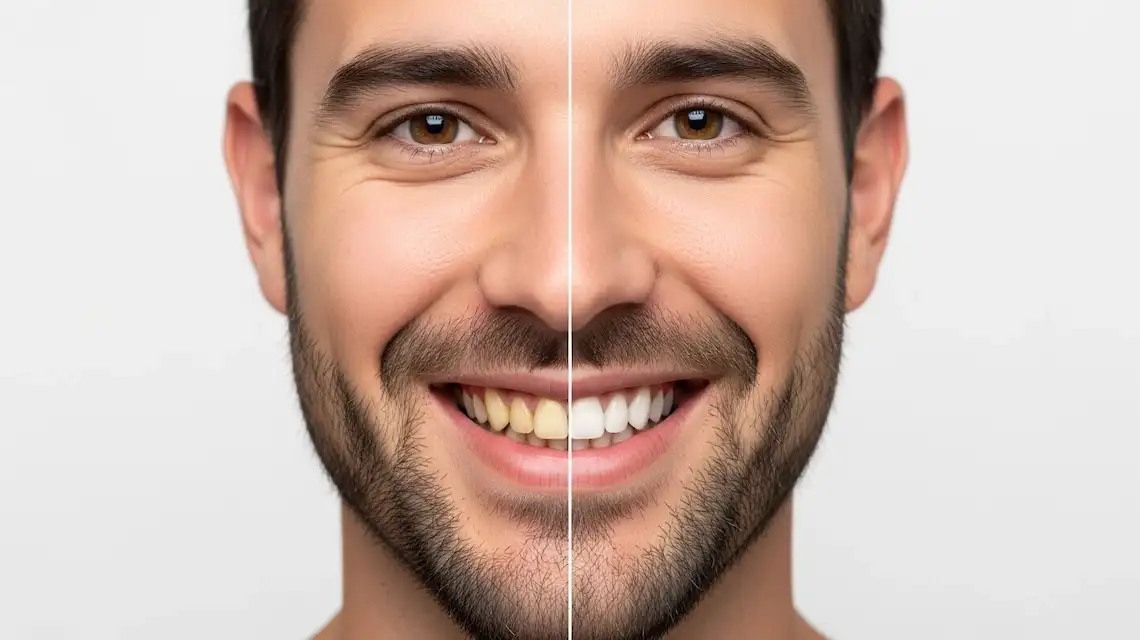
Can vitamin D deficiency cause yellow teeth? Short answer, it can in some people. Vitamin D deficiency can make teeth look more yellow by thinning or weakening enamel, so the yellow dentin shows through. It is not the most common reason for yellow teeth though.
In this guide, you will learn what vitamin D does for your teeth, common reasons teeth turn yellow, and how to test and fix low vitamin D. You will also get simple whitening and care tips that protect enamel. Keep both health and cosmetic goals in mind as you read. Bright teeth look great, but the foundation matters most.
Can vitamin D deficiency cause yellow teeth? The short answer and why it happens
Yes, vitamin D deficiency can make teeth look more yellow. It happens indirectly, by affecting enamel and oral health, not by adding a yellow dye to your teeth.
Vitamin D helps your body absorb calcium and phosphorus. These minerals build enamel and dentin, and they help keep saliva balanced. When enamel is thin or poorly mineralized, it looks less bright, and more of the yellow dentin shows through. The surface can also get rough, which catches stains faster.
Age changes the picture. In kids, low vitamin D can affect tooth development. Enamel may form with defects, and cavities may start early. These issues can leave yellow or brown areas that are harder to clean.
In adults, low vitamin D is linked with a higher risk of cavities and gum disease. Inflamed gums, plaque buildup, and exposed root surfaces tend to stain faster. Teeth can pick up color from coffee, tea, and food more easily. The effect is indirect, but it adds up over time.
Many people with yellow teeth are not dealing with vitamins at all. Stains, aging, thin enamel from wear, medications, and genetics play a big role. Think of vitamin D as part of the foundation. If it is low, the house is weaker, and stains settle in more easily.
How vitamin D affects enamel, dentin, and color
Enamel is the hard, outer shell of the tooth. It is mostly mineral, and it looks white and shiny when it is thick and smooth. Dentin sits underneath and has a natural yellow tone.
When enamel is strong and well mineralized, it reflects light and looks whiter. When enamel is thin or rough, more of the dentin color shows. That makes teeth look more yellow or gray.
Saliva carries calcium and phosphorus that help repair early enamel damage. This process is called remineralization. Vitamin D supports this system by helping your gut absorb minerals and keeping levels balanced in the blood. If vitamin D is low, that whole system can struggle, and enamel can lose its smooth, bright look.
What research suggests about vitamin D and tooth discoloration
Research links low vitamin D with enamel defects in children, higher cavity risk, and more gum disease. These problems do not guarantee yellow teeth, but they raise the odds.
Enamel defects in kids can create rough, chalky areas that pick up stains. Cavities start as white, chalky spots that often turn yellow or brown. Gum disease increases plaque and tartar, which hold pigments from food and drinks. Over time, these changes can shift the color you see in the mirror.
The key idea is risk, not destiny. Vitamin D shapes the environment in your mouth. If it is low, your enamel and gums face a harder fight against damage and stain.
Oral signs that may point to low vitamin D
- Frequent cavities or fillings in recent years
- Tooth sensitivity to cold or sweets
- Chalky white spots that turn yellow or brown
- Delayed tooth eruption in children
- Sore or bleeding gums
- Loose-feeling teeth with gum disease
These signs have many causes. The only way to know your vitamin D status is to test.
Who is most at risk for vitamin D related tooth problems
- People who get little sun, or work indoors most days
- Darker skin tones living at high latitudes
- People who cover skin for cultural or medical reasons
- Older adults
- People with kidney or gut conditions that affect absorption
- Pregnancy and breastfeeding
- Infants who are breastfed without supplements
Season matters too. Fall and winter often bring lower sun exposure and lower vitamin D levels.
Yellow teeth have many causes: what to rule out first
Before you blame vitamins, check the usual suspects. Yellow teeth often come from stains on the surface, or from color inside the tooth.
Extrinsic stains sit on the enamel surface. They come from pigments in food, drinks, and tobacco. They get worse when plaque and tartar build up and trap color. The good news, these stains respond well to cleanings and whitening.
Intrinsic color changes live inside the tooth. Some people have naturally more yellow dentin, or thinner enamel. Age, medications, and past childhood antibiotics can shift color from within. Whitening helps some of these, but not all.
Start with the basics. Clean up daily habits, book a dental cleaning, and look at your diet and drinks. You might see a quick difference without a single supplement. If you have risk factors for low vitamin D, test and address it in parallel.
Extrinsic stains from food, drinks, and smoking
Coffee, tea, red wine, soda, curry, soy sauce, and berries can stain enamel. Tobacco smoke and chewing tobacco stain even faster. Plaque and tartar act like Velcro for pigments, so consistent brushing and cleanings pay off.
Simple habits help:
- Rinse with water after dark drinks or meals
- Use a straw for iced coffee or tea
- Brush two times daily with fluoride toothpaste
- Floss once daily to cut plaque
- Get professional cleanings every 6 months
Intrinsic factors: age, thin enamel, medications, and genetics
Enamel gets thinner with age, and dentin keeps growing. That makes teeth look more yellow. Some medications can darken teeth. Certain childhood antibiotics can leave bands or a deeper shade.
Genetics also sets your baseline shade. Whitening can lift stains, but it does not change the natural dentin color much. Set realistic goals, and focus on a clean, healthy smile.
Kids and teens: enamel defects, early cavities, and look-alikes
In kids, enamel hypoplasia means thin enamel, and hypomineralization means soft enamel. Both can look yellow or brown. Early cavities often start as chalky white spots that pick up stains later.
Vitamin D related defects can overlap with other conditions. Fluorosis usually shows white streaks or spots, sometimes with brown edges if severe. If you see new color changes, or your child has tooth pain, see a dentist early. Prevention and sealants can help a lot.
When yellow teeth mean a dental problem, not just color
Red flags need a dental exam:
- One tooth turning dark after an injury
- Visible pits or holes
- Gum bleeding, swelling, or bad breath with tartar buildup
- Sharp temperature sensitivity or pain
Treat disease before trying strong whitening. You will get better results and protect your enamel.
How to check and fix a possible vitamin D deficiency safely
You do not need guesswork here. A simple blood test shows your vitamin D status. If it is low, you can use sunlight, food, and supplements to raise it safely. Keep your dentist in the loop, since oral health can improve as levels normalize.
Get tested: 25-hydroxyvitamin D and target levels
Ask for a blood test called 25-hydroxyvitamin D. Many clinicians use these cutoffs:
- Deficiency: under 20 ng/mL
- Insufficiency: 20 to 29 ng/mL
- Adequate for most adults: 30 to 50 ng/mL
Work with a provider on your personal target if you have health conditions. Your needs may differ if you have kidney or gut issues, or if you take certain medications.
Raise vitamin D the smart way: sunlight, food, and supplements
Short midday sun sessions can help, if your skin can tolerate it. Expose arms and legs for a few minutes, then cover or use sunscreen to avoid burns. Skin safety always comes first.
Add food sources:
- Fatty fish, like salmon, sardines, and mackerel
- Fortified milk or plant milks
- Egg yolks
- UV-exposed mushrooms
Sunscreen blocks most vitamin D production, but it also protects your skin. Find a balance that fits your skin type and risk.
How much vitamin D is safe for adults, kids, and pregnancy
General guidelines many follow:
- Adults up to age 70: 600 IU daily
- Adults over 70: 800 IU daily
- Pregnancy and breastfeeding: 600 IU daily
For most adults, the upper limit without medical supervision is 4,000 IU per day. Do not megadose without testing and guidance. Parents should ask a pediatrician for infant and child dosing.
Pair vitamin D with calcium, phosphorus, and vitamin K2
Calcium and phosphorus build enamel and dentin. Vitamin D helps your body use these minerals. Aim for a balanced plate to support teeth and bones.
Good sources:
- Dairy or fortified plant milks for calcium
- Leafy greens, beans, nuts, and whole grains
- Protein foods for phosphorus
- K2 rich foods like certain cheeses and natto
No single food fixes enamel that is already missing. You are building better structure for the future and improving saliva’s repair work.
Whitening and oral care tips if your teeth look yellow
If your teeth look yellow, you can brighten them with safe habits and targeted whitening. Protect enamel first, then go for color. Fix any cavities or gum issues before whitening.
Daily habits that prevent stains and protect enamel
- Brush two times daily with fluoride or hydroxyapatite toothpaste
- Floss once daily
- Drink water after dark foods and drinks
- Limit sugary snacks between meals
- Use a soft brush and gentle pressure
- Book dental cleanings every 6 months
- Try a remineralizing toothpaste if teeth are sensitive
Safe whitening options for sensitive or thin enamel
Choose based on stain level:
- Mild stains: whitening toothpaste can lift surface color
- Moderate stains: whitening strips or custom trays work well
- Faster results: in-office whitening under a dentist’s care
Avoid overusing high peroxide gels. Use a desensitizing paste for a week before and after whitening if you get zingers. Always treat cavities and gum disease before you bleach.
When to see a dentist or doctor about yellow teeth
Book a dental visit if your tooth color changed quickly, you have pain or sensitivity, your gums bleed, or one tooth darkened after trauma. Make a medical visit for possible vitamin D testing if you get frequent cavities, have bone or muscle aches, or fit the risk groups listed above.
Quick checklist: brighter teeth and better vitamin D
- Rule out staining habits and clean them up
- Book a professional cleaning
- Test vitamin D if you have risks or symptoms
- Add safe sun when possible, and vitamin D rich foods
- Use supplements only as advised
- Choose a whitening plan that matches your enamel health
- Stick to daily brushing, flossing, and regular checkups
Conclusion
So, can vitamin D deficiency cause yellow teeth? It can, by weakening enamel and raising the risk of stains and disease, but most yellow teeth come from surface stains, natural dentin color, or age. Focus on both appearance and health for the best result.
Get a dental checkup, tighten up daily habits, and test vitamin D if you have risks. Aim for strong enamel, clean gums, and smart whitening. Start small today, and build from there. A healthier mouth and a brighter smile can go hand in hand when you protect your enamel and support your nutrition.
Can Vitamin D Deficiency Cause Yellow Teeth? What Science and Daily Habits Say
Can vitamin D deficiency cause yellow teeth? Short answer, it can in some people. Vitamin D deficiency can make teeth look more yellow by thinning or weakening enamel, so the yellow dentin shows through. It is not the most common reason for yellow teeth though.
In this guide, you will learn what vitamin D does for your teeth, common reasons teeth turn yellow, and how to test and fix low vitamin D. You will also get simple whitening and care tips that protect enamel. Keep both health and cosmetic goals in mind as you read. Bright teeth look great, but the foundation matters most.
Can vitamin D deficiency cause yellow teeth? The short answer and why it happens
Yes, vitamin D deficiency can make teeth look more yellow. It happens indirectly, by affecting enamel and oral health, not by adding a yellow dye to your teeth.
Vitamin D helps your body absorb calcium and phosphorus. These minerals build enamel and dentin, and they help keep saliva balanced. When enamel is thin or poorly mineralized, it looks less bright, and more of the yellow dentin shows through. The surface can also get rough, which catches stains faster.
Age changes the picture. In kids, low vitamin D can affect tooth development. Enamel may form with defects, and cavities may start early. These issues can leave yellow or brown areas that are harder to clean.
In adults, low vitamin D is linked with a higher risk of cavities and gum disease. Inflamed gums, plaque buildup, and exposed root surfaces tend to stain faster. Teeth can pick up color from coffee, tea, and food more easily. The effect is indirect, but it adds up over time.
Many people with yellow teeth are not dealing with vitamins at all. Stains, aging, thin enamel from wear, medications, and genetics play a big role. Think of vitamin D as part of the foundation. If it is low, the house is weaker, and stains settle in more easily.
How vitamin D affects enamel, dentin, and color
Enamel is the hard, outer shell of the tooth. It is mostly mineral, and it looks white and shiny when it is thick and smooth. Dentin sits underneath and has a natural yellow tone.
When enamel is strong and well mineralized, it reflects light and looks whiter. When enamel is thin or rough, more of the dentin color shows. That makes teeth look more yellow or gray.
Saliva carries calcium and phosphorus that help repair early enamel damage. This process is called remineralization. Vitamin D supports this system by helping your gut absorb minerals and keeping levels balanced in the blood. If vitamin D is low, that whole system can struggle, and enamel can lose its smooth, bright look.
What research suggests about vitamin D and tooth discoloration
Research links low vitamin D with enamel defects in children, higher cavity risk, and more gum disease. These problems do not guarantee yellow teeth, but they raise the odds.
Enamel defects in kids can create rough, chalky areas that pick up stains. Cavities start as white, chalky spots that often turn yellow or brown. Gum disease increases plaque and tartar, which hold pigments from food and drinks. Over time, these changes can shift the color you see in the mirror.
The key idea is risk, not destiny. Vitamin D shapes the environment in your mouth. If it is low, your enamel and gums face a harder fight against damage and stain.
Oral signs that may point to low vitamin D
- Frequent cavities or fillings in recent years
- Tooth sensitivity to cold or sweets
- Chalky white spots that turn yellow or brown
- Delayed tooth eruption in children
- Sore or bleeding gums
- Loose-feeling teeth with gum disease
These signs have many causes. The only way to know your vitamin D status is to test.
Who is most at risk for vitamin D related tooth problems
- People who get little sun, or work indoors most days
- Darker skin tones living at high latitudes
- People who cover skin for cultural or medical reasons
- Older adults
- People with kidney or gut conditions that affect absorption
- Pregnancy and breastfeeding
- Infants who are breastfed without supplements
Season matters too. Fall and winter often bring lower sun exposure and lower vitamin D levels.
Yellow teeth have many causes: what to rule out first
Before you blame vitamins, check the usual suspects. Yellow teeth often come from stains on the surface, or from color inside the tooth.
Extrinsic stains sit on the enamel surface. They come from pigments in food, drinks, and tobacco. They get worse when plaque and tartar build up and trap color. The good news, these stains respond well to cleanings and whitening.
Intrinsic color changes live inside the tooth. Some people have naturally more yellow dentin, or thinner enamel. Age, medications, and past childhood antibiotics can shift color from within. Whitening helps some of these, but not all.
Start with the basics. Clean up daily habits, book a dental cleaning, and look at your diet and drinks. You might see a quick difference without a single supplement. If you have risk factors for low vitamin D, test and address it in parallel.
Extrinsic stains from food, drinks, and smoking
Coffee, tea, red wine, soda, curry, soy sauce, and berries can stain enamel. Tobacco smoke and chewing tobacco stain even faster. Plaque and tartar act like Velcro for pigments, so consistent brushing and cleanings pay off.
Simple habits help:
- Rinse with water after dark drinks or meals
- Use a straw for iced coffee or tea
- Brush two times daily with fluoride toothpaste
- Floss once daily to cut plaque
- Get professional cleanings every 6 months
Intrinsic factors: age, thin enamel, medications, and genetics
Enamel gets thinner with age, and dentin keeps growing. That makes teeth look more yellow. Some medications can darken teeth. Certain childhood antibiotics can leave bands or a deeper shade.
Genetics also sets your baseline shade. Whitening can lift stains, but it does not change the natural dentin color much. Set realistic goals, and focus on a clean, healthy smile.
Kids and teens: enamel defects, early cavities, and look-alikes
In kids, enamel hypoplasia means thin enamel, and hypomineralization means soft enamel. Both can look yellow or brown. Early cavities often start as chalky white spots that pick up stains later.
Vitamin D related defects can overlap with other conditions. Fluorosis usually shows white streaks or spots, sometimes with brown edges if severe. If you see new color changes, or your child has tooth pain, see a dentist early. Prevention and sealants can help a lot.
When yellow teeth mean a dental problem, not just color
Red flags need a dental exam:
- One tooth turning dark after an injury
- Visible pits or holes
- Gum bleeding, swelling, or bad breath with tartar buildup
- Sharp temperature sensitivity or pain
Treat disease before trying strong whitening. You will get better results and protect your enamel.
How to check and fix a possible vitamin D deficiency safely
You do not need guesswork here. A simple blood test shows your vitamin D status. If it is low, you can use sunlight, food, and supplements to raise it safely. Keep your dentist in the loop, since oral health can improve as levels normalize.
Get tested: 25-hydroxyvitamin D and target levels
Ask for a blood test called 25-hydroxyvitamin D. Many clinicians use these cutoffs:
- Deficiency: under 20 ng/mL
- Insufficiency: 20 to 29 ng/mL
- Adequate for most adults: 30 to 50 ng/mL
Work with a provider on your personal target if you have health conditions. Your needs may differ if you have kidney or gut issues, or if you take certain medications.
Raise vitamin D the smart way: sunlight, food, and supplements
Short midday sun sessions can help, if your skin can tolerate it. Expose arms and legs for a few minutes, then cover or use sunscreen to avoid burns. Skin safety always comes first.
Add food sources:
- Fatty fish, like salmon, sardines, and mackerel
- Fortified milk or plant milks
- Egg yolks
- UV-exposed mushrooms
Sunscreen blocks most vitamin D production, but it also protects your skin. Find a balance that fits your skin type and risk.
How much vitamin D is safe for adults, kids, and pregnancy
General guidelines many follow:
- Adults up to age 70: 600 IU daily
- Adults over 70: 800 IU daily
- Pregnancy and breastfeeding: 600 IU daily
For most adults, the upper limit without medical supervision is 4,000 IU per day. Do not megadose without testing and guidance. Parents should ask a pediatrician for infant and child dosing.
Pair vitamin D with calcium, phosphorus, and vitamin K2
Calcium and phosphorus build enamel and dentin. Vitamin D helps your body use these minerals. Aim for a balanced plate to support teeth and bones.
Good sources:
- Dairy or fortified plant milks for calcium
- Leafy greens, beans, nuts, and whole grains
- Protein foods for phosphorus
- K2 rich foods like certain cheeses and natto
No single food fixes enamel that is already missing. You are building better structure for the future and improving saliva’s repair work.
Whitening and oral care tips if your teeth look yellow
If your teeth look yellow, you can brighten them with safe habits and targeted whitening. Protect enamel first, then go for color. Fix any cavities or gum issues before whitening.
Daily habits that prevent stains and protect enamel
- Brush two times daily with fluoride or hydroxyapatite toothpaste
- Floss once daily
- Drink water after dark foods and drinks
- Limit sugary snacks between meals
- Use a soft brush and gentle pressure
- Book dental cleanings every 6 months
- Try a remineralizing toothpaste if teeth are sensitive
Safe whitening options for sensitive or thin enamel
Choose based on stain level:
- Mild stains: whitening toothpaste can lift surface color
- Moderate stains: whitening strips or custom trays work well
- Faster results: in-office whitening under a dentist’s care
Avoid overusing high peroxide gels. Use a desensitizing paste for a week before and after whitening if you get zingers. Always treat cavities and gum disease before you bleach.
When to see a dentist or doctor about yellow teeth
Book a dental visit if your tooth color changed quickly, you have pain or sensitivity, your gums bleed, or one tooth darkened after trauma. Make a medical visit for possible vitamin D testing if you get frequent cavities, have bone or muscle aches, or fit the risk groups listed above.
Quick checklist: brighter teeth and better vitamin D
- Rule out staining habits and clean them up
- Book a professional cleaning
- Test vitamin D if you have risks or symptoms
- Add safe sun when possible, and vitamin D rich foods
- Use supplements only as advised
- Choose a whitening plan that matches your enamel health
- Stick to daily brushing, flossing, and regular checkups
Conclusion
So, can vitamin D deficiency cause yellow teeth? It can, by weakening enamel and raising the risk of stains and disease, but most yellow teeth come from surface stains, natural dentin color, or age. Focus on both appearance and health for the best result.
Get a dental checkup, tighten up daily habits, and test vitamin D if you have risks. Aim for strong enamel, clean gums, and smart whitening. Start small today, and build from there. A healthier mouth and a brighter smile can go hand in hand when you protect your enamel and support your nutrition.
Related post: How To Maintain Healthy Teeth And Gums
Vitamin D, Tooth Color, and Your Smile: FAQs
Can vitamin D deficiency make teeth look yellow?
Vitamin D deficiency does not directly cause yellow teeth. It can affect enamel formation in growing kids, which may leave enamel thin or pitted. Thin enamel lets more dentin show, and dentin looks yellow. In adults, deficiency can raise the risk of cavities and gum problems, which may darken teeth over time.
How does vitamin D affect tooth enamel and dentin?
Vitamin D helps your body absorb calcium and phosphate. These minerals harden enamel and dentin. Low vitamin D in childhood can lead to enamel defects, called enamel hypoplasia. That can make teeth look uneven, chalky, or more yellow because dentin is more visible.
Is yellow tooth color a sign I’m low in vitamin D?
Not by itself. Yellow teeth usually come from stains, age, thin enamel, or genetics. If you also have frequent cavities, gum bleeding, bone loss, or low energy, talk with your doctor about checking vitamin D.
What are the most common causes of yellow teeth?
- Surface stains from coffee, tea, red wine, or smoking
- Thinner enamel from acid wear or brushing too hard
- Natural dentin thickening with age
- Tetracycline stains from childhood antibiotic use
- Fluorosis or enamel defects from early development
- Genetics that affect enamel thickness and color
Are kids with low vitamin D more likely to have discolored teeth?
Yes, during tooth development. Deficiency can cause enamel defects that collect stains and look yellow or brown. It also raises cavity risk, which can darken spots. Treating the deficiency helps overall health, but it cannot fully fix already formed enamel.
Does vitamin D deficiency cause tooth stains in adults?
It does not cause stains. It may increase the risk of gum disease and decay. These problems can make teeth look darker or more yellow. Good dental care and treating the deficiency help protect tooth color.
How can I tell if my teeth are yellow from stains or thin enamel?
Stains usually look patchy and sit on the surface, often near the gumline. Thin enamel shows a uniform yellow tone because dentin shines through. A dentist can confirm with a quick exam and polish test.
Will taking vitamin D whiten my teeth?
No. Vitamin D supports tooth and bone health, but it does not bleach teeth. Whitening options include professional bleaching, custom trays, or over-the-counter strips. For sensitive teeth, ask about lower peroxide levels or alternatives.
What vitamin D level should I aim for?
Doctors often check 25-hydroxyvitamin D [25(OH)D]. Many aim for at least 20 to 30 ng/mL, based on current guidelines. Your target may differ if you have bone, kidney, or endocrine issues. Ask your clinician for a personalized range.
How much vitamin D should I take?
Common daily intakes: 600 IU for most adults up to age 70, 800 IU for older adults. Do not exceed 4,000 IU daily without medical guidance. Your doctor may use higher short-term doses if you’re deficient, then retest.
Can sun exposure help my teeth by raising vitamin D?
It can help raise vitamin D, which supports enamel and bone. Balance sun time with skin cancer risk. Short, regular exposure on arms and legs may help. Use sunscreen as advised. Diet and supplements fill the gap when sun is limited.
Who is at higher risk for vitamin D deficiency?
- People with little sun exposure or who live at higher latitudes
- Darker skin tones
- Older adults
- Those with obesity, malabsorption, or kidney or liver disease
- Breastfed infants without supplementation
- People who cover skin for cultural or medical reasons
What dental steps reduce yellowing if I’m low in vitamin D?
- Professional cleaning to remove surface stains
- Fluoride or nano-hydroxyapatite toothpaste to strengthen enamel
- Gentle brushing with a soft brush and low-abrasive paste
- Limit acidic drinks and sip water after coffee or tea
- Night guard if you grind, since grinding thins enamel
When should I see a dentist or doctor?
See a dentist if you notice rapid color changes, new sensitivity, or spots that do not polish off. See a doctor if you have signs of deficiency like bone pain, frequent infections, or muscle weakness. Ask for a 25(OH)D test if you’re at risk.
What’s the bottom line on vitamin D and yellow teeth?
Vitamin D deficiency does not directly yellow teeth. It can weaken enamel during development and raise dental disease risk, which can make teeth look darker over time. Treat the deficiency, keep up with cleanings, and use safe whitening if needed.

Gas S. is a health writer who covers metabolic health, longevity science, and functional physiology. He breaks down research into clear, usable takeaways for long-term health and recovery. His work focuses on how the body works, progress tracking, and changes you can stick with. Every article is reviewed independently for accuracy and readability.
- Medical Disclaimer: This content is for education only. It doesn’t diagnose, treat, or replace medical care from a licensed professional. Read our full Medical Disclaimer here.