

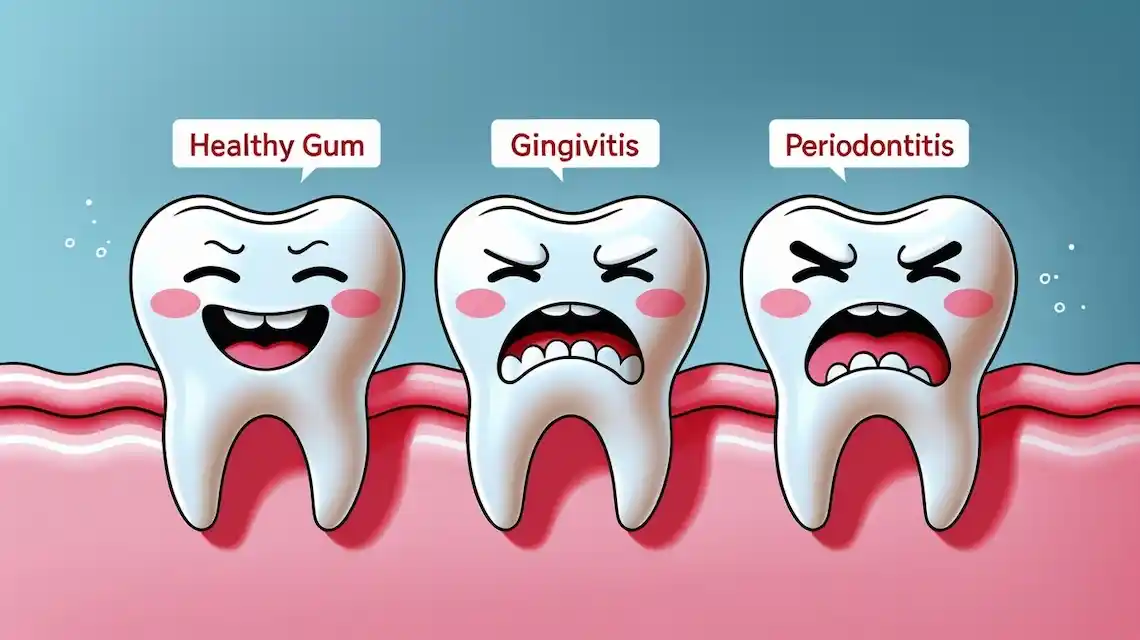
If your gums feel swollen or look red, you might be dealing with gum inflammation, also known as gingivitis. This common issue affects people of all ages and is often a sign your gums need more care. Gum inflammation treatment is important because, if left untreated, it can lead to pain, bleeding, and more serious problems like gum disease.
Taking care of your gums starts with proper hygiene and understanding what causes inflammation in the first place. We’ll cover practical tips for treatment and prevention, so you can keep your mouth healthy and your smile strong. If you’re also experiencing discomfort while chewing, it may connect to gum or tooth issues as explained in this resource about the causes of back teeth pain when biting.
See a dentist right away if you have severe tooth pain, a fever, pus, loose teeth, or bleeding that doesn’t stop.
Recognizing Gum Inflammation: Symptoms and Causes
Spotting gum inflammation early is the foundation of proper gum inflammation treatment. Many people overlook the first signs, brushing off tender gums or a little redness as nothing serious. But your gums are your first line of defense when it comes to oral health. Let’s break down what to look for and what might put you at risk.
Common Symptoms of Gum Inflammation
Your gums send warning signals when inflammation starts. Ignoring minor discomfort can lead to bigger problems down the road. Here are the symptoms to watch for:
- Red or Swollen Gums: Healthy gums should be pink and firm. Swelling or deep red color means irritation.
- Bleeding When Brushing or Flossing: Gums that bleed easily signal inflammation. This isn’t normal and shouldn’t be ignored.
- Tenderness or Soreness: Sore or sensitive gums are often one of the first things you notice.
- Bad Breath: Persistent bad breath can be a sign that bacteria and plaque are building up below the gum line.
- Gum Recession: Gums pulling away from teeth can cause teeth to appear longer and make them more sensitive.
The earlier you identify these symptoms, the easier gum inflammation treatment becomes. If you’re wondering how early prevention can fit into your everyday routine, read about maintaining healthy teeth and gums.
Primary Causes of Gum Inflammation
Understanding the causes behind gum inflammation helps you curb the problem at its source. Several things can trigger irritated gums, including:
- Poor Oral Hygiene: Skipping brushing or not flossing daily lets plaque build up, leading to gum troubles.
- Plaque and Tartar Buildup: Sticky plaque clings to your teeth, and if it’s not removed, it hardens into tartar, irritating gums.
- Hormonal Changes: Pregnancy, menstruation, or menopause can make gums more sensitive.
- Medical Conditions: Diseases like diabetes can lower your body’s ability to fight infections and add to gum irritation.
- Certain Medications: Some drugs can cause dry mouth or affect gum health.
- Tobacco Use: Smoking weakens your immune system, making it harder to fight off gum infections.
- Diet High in Sugar: Consuming lots of sugary foods promotes plaque and bacteria growth.
Each factor alone can cause problems, but usually, it’s a mix of these habits or health issues. The more you reduce plaque and keep your mouth clean, the less likely you’ll deal with sore, swollen gums.
Who is at Risk?: Age, Habits, Systemic Conditions, and Genetics
Anyone can get gum inflammation, but some people are more likely than others. Risk levels change based on a mix of age, lifestyle, health, and genetics.
- Age: As we get older, gums naturally recede, and years of plaque buildup can catch up with us.
- Habits: Smoking, inconsistent brushing, or skipping dental visits increase your risks.
- Systemic Health: Conditions like diabetes or immune disorders make it harder for your body to handle inflammation.
- Family History: Genetics also matter. If close relatives have gum issues, you might be more prone too.
Understanding these symptoms and common causes lays the groundwork for effective gum inflammation treatment, and helps you take actions that protect your smile for years to come.
Effective Gum Inflammation Treatment Options
When your gums flare up, you want fast relief and long-term results. There are proven gum inflammation treatment options, from advanced dental care to small daily changes at home. Addressing gum inflammation means working from several angles—professional support, smart habits, and consistent oral hygiene all play a big part. Let’s break down the most effective strategies and how you can get started today.
Professional Dental Treatments
Dentists bring the expertise and tools to tackle inflammation in places your toothbrush just can’t reach. Here are the most common in-office treatments for gum inflammation:
- Professional Cleaning: Dental hygienists use special tools to remove plaque and tartar below the gum line. Regular cleanings (every six months) are not just for looks—they’re key to stopping inflammation before it gets serious.
- Deep Cleaning (Scaling and Root Planing): For more stubborn cases, deep cleaning smooths out tooth roots and clears out bacteria. This treatment goes further than a standard cleaning and is especially useful if pockets of infection have formed.
- Antibiotic Therapy: Dentists may apply or prescribe antibiotics—either as a rinse, gel, or pill—to control infection and help your gums heal.
- Surgical Options: If inflammation is advanced, minor surgery might be needed to repair tissues or reduce deep pockets where bacteria hide.
Getting regular checkups is your first defense. As explained in these tips for white teeth and fresh breath, professional cleanings make a huge difference in preventing gum problems and improving your overall oral health.
Home Remedies and Lifestyle Changes
Simple changes can have a big impact on gum inflammation. You can start these at home right away:
- Saltwater Rinse: Rinse your mouth with warm salt water once or twice daily. This natural remedy reduces swelling and fights bacteria.
- Increase Water Intake: Water helps wash away food particles and bacteria, keeping your gums cleaner.
- Anti-inflammatory Foods: Snack on fruits and leafy greens. Foods rich in vitamin C and antioxidants help your gums fight off inflammation.
- Quit Smoking: If you smoke, cutting back or quitting reduces your risk of gum disease and helps your gums heal faster.
- Reduce Sugar: Swap out sugary snacks and drinks for options like nuts or yogurt to keep bacteria in check.
- Manage Stress: Stress can affect your immune system and make it harder for your body to fight infections, including gum inflammation.
Try a few of these steps alongside your dental routine to see a noticeable difference. Making these changes doesn’t just boost gum health—they can also benefit your whole body.
The Role of Proper Oral Hygiene
Maintaining thorough oral hygiene is the backbone of any gum inflammation treatment plan. Daily routines make the biggest difference:
- Brush at Least Twice a Day: Use a soft-bristled brush and angle it along your gum line for best results.
- Floss Regularly: Flossing gets rid of bacteria and food trapped between teeth where your brush can’t reach.
- Antibacterial Mouthwash: Consider adding a mouthwash specifically designed to fight bacteria and freshen breath.
- Replace Your Toothbrush: Change your toothbrush every three months or after being sick to keep things sanitary.
- Don’t Skip Dental Visits: Combining great at-home care with professional checkups means you catch any problems early on.
Looking for more practical tips that fit your routine? Explore these home teeth whitening remedies for ideas that go hand-in-hand with gum care, and pick up smart habits that protect both your teeth and gums for the long haul.
Embracing a few of these habits every day, along with support from your dental team, gives you the best shot at managing and even reversing gum inflammation before it leads to bigger problems.
Preventing Gum Inflammation and Ensuring Long-Term Oral Health
Building healthy habits is the best line of defense when it comes to preventing gum inflammation and supporting long-term oral health. A thoughtful daily routine, smart dietary choices, and regular checkups each contribute to a strong, pain-free smile. Let’s explore simple strategies to keep your gums in top shape and make gum inflammation treatment less of a worry in your future.
Daily Oral Care Best Practices
A consistent cleaning routine is your most reliable shield against gum trouble. Even small steps taken every day can keep plaque from turning into a bigger issue.
Here’s what works best for gum inflammation treatment prevention:
- Brush twice a day with a soft-bristled toothbrush. Make short, gentle strokes, targeting where your gums meet your teeth.
- Replace your toothbrush every three months or when bristles look worn.
- Use fluoride toothpaste to strengthen enamel and protect against cavities that can complicate gum health.
- Floss daily to remove food and plaque from spots your brush can’t reach.
- Rinse with an antibacterial mouthwash. This helps keep bacteria under control and leaves your mouth feeling fresh.
These steps work together—brush, floss, rinse, and repeat. Miss one, and harmful bacteria might find a way in. Focusing on these daily routines helps keep inflammation at bay and supports your goal of lasting gum health.
Diet and Lifestyle Factors
Your meals and daily habits have more power over your gums than many realize. Eating the right foods and making smart lifestyle changes can lower your risk for soreness and swelling.
Keep these key points in mind:
- Limit sugary snacks and drinks. Bacteria thrive on sugar. Cutting back can shrink plaque buildup and protect your gums.
- Add more crunchy fruits and leafy greens. Apples, carrots, and spinach help gently scrub teeth and offer vitamins for gum health.
- Get enough vitamin C and antioxidants. These nutrients fight inflammation. Oranges, kiwi, and berries are tasty choices.
- Stay hydrated. Water helps rinse away food bits and bacteria throughout the day.
- Avoid smoking and tobacco. These slow healing and make gum inflammation treatment more challenging.
- Manage stress. High stress can weaken your immune system and affect oral health, similar to how it influences other problems like the stress and hair loss connection.
Small shifts in your daily routine can mean fewer flare-ups and less need for complex treatments.
Scheduling Regular Dental Visits
Even a perfect home routine needs a professional’s touch now and then. Dentists catch tooth, gum and even tooth abscess problems early while providing a deep clean that beats what you can do at home.
- Visit your dentist at least twice a year for cleanings and checkups.
- Let the dental team know about any gum changes—swelling, bleeding, or pain, even if it seems minor.
- Professional cleanings remove stubborn tartar and catch hidden issues before they become real trouble.
- Stay current with X-rays and exams, since these can reveal gum disease that hides below the surface.
Think of these visits as tune-ups for your mouth. Keeping them on your calendar means less worry, less pain, and healthier gums year after year.
Strong oral health routines, reinforced with proper diet and regular dentist appointments, reduce the risk of ongoing gum inflammation. These steps not only help with gum inflammation treatment, they protect your mouth for life.
Conclusion
A healthy smile starts with daily habits and a bit of awareness. Tackling gum inflammation treatment early doesn’t just soothe discomfort, it helps you avoid bigger dental problems down the line. Good brushing, smart food choices, and routine dental visits make all the difference.
Prioritizing your gum health today can spare you long-term trouble and expenses tomorrow. If you found these tips helpful, share your favorite habits or results, and keep an eye out for more ways to boost your daily oral care. Thanks for reading and taking steps toward stronger, healthier gums, your future self will thank you.
FAQ:
What causes gum inflammation?
Plaque is the main culprit. It sticks to your teeth and irritates your gums. Smoking, poor brushing, skipping dental visits, stress, diet, hormonal changes, and some health conditions can also make it worse.
Is gum inflammation the same as gingivitis?
Yes, gingivitis is the medical word for gum inflammation. It’s an early stage of gum disease. If you notice redness, swelling, or bleeding when you brush, you’re likely dealing with gingivitis.
Can gum inflammation go away on its own?
Mild gum inflammation can often improve with better brushing and flossing. If you keep good oral habits, you may notice your gums heal up in a few days. If not, see a dentist.
How do dentists treat gum inflammation?
Dentists remove plaque and tartar with a cleaning. They might suggest mouth rinses or prescribe antibiotics for infection. If the problem is severe, deeper cleaning (scaling and root planing) may be needed.
What home remedies help reduce gum inflammation?
Brush twice a day with a soft toothbrush. Floss every day. Rinse with salt water. Cut back on sugar and stay hydrated. Don’t smoke. These steps help, but don’t replace professional care if symptoms persist.
Is gum inflammation a sign of something serious?
Sometimes. Gum inflammation can point to gum disease, which can lead to tooth loss if left untreated. It may also signal other health issues like diabetes. If swelling, bleeding, or pain continues, contact a dentist.
How long does it take for gum inflammation to heal?
Mild inflammation often improves within a week of good home care. Advanced cases may need several dentist visits and ongoing treatment.
Can I use over-the-counter products for gum inflammation?
Antibacterial mouthwashes, gentle toothpaste, and interdental brushes can help. They support, not replace, proper brushing. If your gums aren’t getting better, see your dentist soon.
Should I avoid certain foods if my gums are inflamed?
Crunchy or hard foods can irritate sore gums. Stick to soft, cool items and avoid spicy or acidic foods while healing. Drink plenty of water and limit sugary snacks.
When should I see a dentist about gum inflammation?
See your dentist if your gums bleed often, stay red or swollen, or feel painful. Don’t wait if your symptoms last more than a week after improving your oral care routine.

Gas S. is a health writer who covers metabolic health, longevity science, and functional physiology. He breaks down research into clear, usable takeaways for long-term health and recovery. His work focuses on how the body works, progress tracking, and changes you can stick with. Every article is reviewed independently for accuracy and readability.
- Medical Disclaimer: This content is for education only. It doesn’t diagnose, treat, or replace medical care from a licensed professional. Read our full Medical Disclaimer here.