


Regular exercise is more important than ever in a world where screens and a lack of movement are becoming more common. Moving around regularly is good for your health in many ways, whether it’s a brisk walk, a dance class, or a hard workout at the gym. Exercise is one of the easiest and most effective ways to live a healthier, longer life. It can improve your physical health and your mental health as well.
Physical Health Benefits Of Physical Activity
Cardiovascular Health
When it comes to heart health, regular exercise is a powerhouse. Aerobic exercises, like walking, jogging, cycling, or swimming, make the heart muscle stronger, improve blood flow, and make the cardiovascular system work better. This makes your blood pressure go down, your cholesterol levels go up, and your risk of heart disease and stroke goes down a lot. The American Heart Association says that to keep your heart healthy, you should do at least 150 minutes of moderate-intensity exercise each week.
Weight Management
A key part of healthy weight management is exercise. Your metabolism stays high even after you stop moving. It helps you burn calories and build lean muscle mass. Resistance training and high-intensity interval training (HIIT) are two of the best ways to lose fat and keep your muscles toned. Along with a healthy diet, regular exercise can help people stay away from obesity and lower their risk of health problems like type 2 diabetes.
Enhanced Muscular And Skeletal Strength
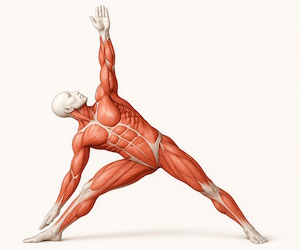
Lifting weights or doing exercises with your own body, like push-ups and squats, is a form of strength training that builds muscle strength and endurance. Moving around regularly also makes bones stronger by raising bone density. This is important for keeping bones healthy and preventing fractures, especially as we age. Yoga and tai chi are good examples of flexibility and balance exercises that can help keep your joints healthy and lessen your risk of getting injured.
Strengthened Immune System
Moderate exercise improves the flow of immune cells, which helps them find and fight off illness more effectively. While too much exercise without enough rest can weaken your immune system, a regular, moderate routine can raise your immune system, lower inflammation, and make you less likely to get infections.
Mental And Emotional Well-being Of Physical Activity
Stress Reduction
Being active is a natural way to relieve stress. It lowers the stress hormone cortisol and raises the production of norepinephrine, a chemical that helps the brain handle stress better. Moving around for even short amounts of time, like a 10-minute walk, can help clear your mind and ease stress.
Mood Enhancement
Endorphins are chemicals in the brain that make you feel good. They are released when you exercise. This “runner’s high” can help people with mood disorders, anxiety, and depression. Regular exercise also helps you sleep better, and sleep is a key part of controlling your emotions.
Cognitive Benefits
Working out has big effects on how our brains work. It makes your memory better, helps you focus, and helps new brain cells grow. Neurodegenerative diseases like Alzheimer’s and dementia are less likely to happen to physically active people, according to studies. Specifically, aerobic activities raise brain-derived neurotrophic factor (BDNF), a protein that helps keep the brain healthy.
Long-term Disease Prevention
Regular physical activity lowers the risk of many long-term diseases by a large amount. It helps keep blood sugar levels in check, which lowers the danger of obtaining type 2 diabetes. Some cancers, like breast and colon cancer, are also less likely to happen if you work out. Physical activity can improve the quality of life and slow the progression of chronic diseases in people who already have them.
Social And Lifestyle Advantages
People often get together to do physical activities, which helps them make friends and feel like they are part of a community. Getting together with other people, whether through team sports, fitness classes, or group hikes, can be good for your mental health. People who work out regularly also say they have more energy, can concentrate better, feel better about themselves, and have a general sense of well-being.
How Much Is Enough?
The World Health Organization (WHO) and Centers for Disease Control and Prevention (CDC) recommend:
- Adults: At least 150 minutes of moderate-intensity aerobic activity or 75 minutes of vigorous activity per week, plus at least two days a week of muscle-strengthening exercises.
- Children and Teens: every day, at least 60 minutes of physical activity.
You don’t have to do it all at once. Spreading it out over the day still counts. It takes time to do things like garden, walk the dog, or dance to your favourite music.
Conclusion
Too many benefits can’t be ignored when it comes to regular physical activity. It improves your health, makes you smarter, makes you happier, and keeps you from getting a lot of long-term illnesses. The best part? You can start at any time. Every step counts, no matter how fit you are or how new you are to fitness. Start slowly, keep at it, and enjoy the amazing changes that movement makes in your life.
FAQs
1. How Often Should I Exercise To See Results?
Your goal should be to do 150 minutes of moderate activity every week. If you do it regularly, even small amounts can help.
2. Can Walking Be Considered Good Exercise?
Of course. Walking quickly is good for your heart, can assist you lose weight, and can create you feel better.
3. What’s The Best Time Of Day To Exercise?
No one size works for everyone. Pick a time that works for you and will help you stick to it.
4. Is Physical Activity Safe For Older Adults?
Yes, with the right help. Walking, yoga, and light strength training are all great things for seniors to do.
5. Do I Need A Gym Membership To Be Physically Active?
Not at all. It’s easy and effective to do exercises with your own body, like walking, cycling, or working out at home.

Gas S. is a health writer who covers metabolic health, longevity science, and functional physiology. He breaks down research into clear, usable takeaways for long-term health and recovery. His work focuses on how the body works, progress tracking, and changes you can stick with. Every article is reviewed independently for accuracy and readability.
- Medical Disclaimer: This content is for education only. It doesn’t diagnose, treat, or replace medical care from a licensed professional. Read our full Medical Disclaimer here.