

Millions of people around the world lose their hair, which affects not only their looks but also their confidence and mental health. There are so many goods and pieces of advice online that it can be hard to find one that really works, whether the hair loss is slow or fast.
Understanding Hair Loss
Alopecia, or hair loss, can be caused by many things. Androgenetic alopecia, which is also known as male or female pattern baldness, is the most common reason. This disease runs in families and usually gets worse over time. Hormonal changes (like during pregnancy or menopause), worry, not getting enough nutrients, and medical conditions like thyroid problems or autoimmune diseases like alopecia areata are some of the other reasons.
Because different kinds of hair loss may need different treatments, it’s important to figure out what’s causing it first. A dermatologist is the best person to see if you’re losing your hair quickly or have bald spots that don’t cover your whole head.
Clinically Proven Treatments That Work
Minoxidil (Rogaine)
One of the most popular over-the-counter medicines for hair loss is minoxidil. It works by sending more blood to hair cells, which speeds up growth and makes the anagen (growth) part of the hair cycle last longer. Minoxidil is FDA-approved for both men and women and comes in foam or solution that you put on your hair.
To see benefits, you should use it every day for at least three to six months. It doesn’t work for everyone, but for many people, it stops their hair from falling out and helps it grow back. Some side effects can be itchy or dry hair.
Finasteride (Propecia)
Men with a prescription can take finasteride by mouth. Dihydrotestosterone (DHT) is the hormone that shrinks hair cells and causes hair loss in people who are genetically more likely to get it.
Finasteride has been shown in studies to greatly slow hair loss and even help many men grow hair back. It’s not allowed for women, though, because it might mess with their hormones. Finasteride can cause side effects in some men, such as a loss of libido or trouble getting an erection. However, these effects are rare for most users.
Low-level Laser Therapy (LLLT)
In Low-Level Laser Therapy, red light lasers are used to activate hair growth at the level of cells. It speeds up the metabolism of cells and blood flow, which can help hair grow. Laser caps or combs that the FDA has approved can be used in clinics or at home to provide LLLT.
It doesn’t hurt, and most people don’t have any problems with it, but it can take a few months to see the effects. According to studies, LLLT works best when used regularly and along with other treatments such as minoxidil.
Natural And Holistic Approaches That Show Promise
Nutritional Interventions
Diet has a lot to do with hair growth. Hair loss can be caused by not getting enough iron, zinc, vitamin D, or biotin. A healthy diet full of nuts, seeds, fresh greens, lean meats, and whole grains can assist hair to grow healthily.
If you can’t get all the nutrients you need from food, supplements can help, but it’s best to get checked for deficits first. Self-dosing too much of some nutrients, like vitamin A, can actually make you lose your hair, so don’t do it.
Scalp Care And Stimulation
For hair to grow, the skin needs to be healthy. Cleaning your head regularly gets rid of buildup that can block hair cells. When you massage your head, you increase blood flow, which can help hair cells stay healthy. Since essential oils like rosemary, peppermint, and tea tree oil can aid reduce inflammation and kill germs, they may also help plants grow. Once or twice a week, you can use treatments or tools that exfoliate to get rid of dead skin and help external products work better.
Stress Management Techniques
Stress can cause hair loss situations like telogen effluvium, in which hair cells enter the resting phase too soon and fall out in clumps. Getting rid of stress through yoga, meditation, regular exercise, and getting enough sleep can be good for hair health. Mind-body techniques might not grow hair back directly, but they can stop hair loss before it starts and make you feel better in general.
Advanced Medical Solutions
Platelet-Rich Plasma (PRP) Therapy
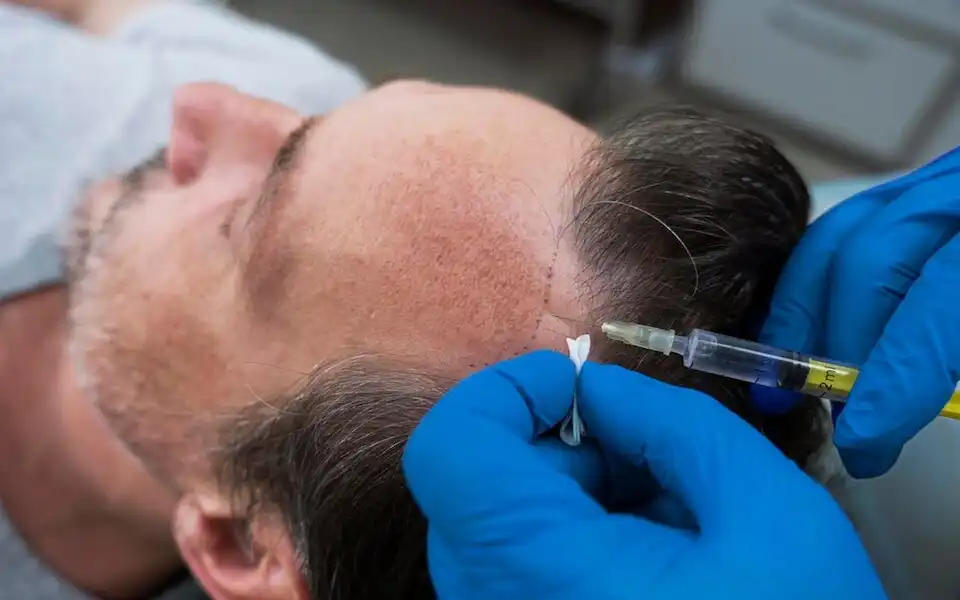
For PRP treatment, a small amount of your blood is taken out, the platelets are separated, and the platelets are injected into your head. Platelets have growth factors in them that can make hair cells grow faster and stronger.
This treatment has become more popular because it is natural and has shown promise in clinical studies. PRP is usually done over a few sessions, and it works best when used with other treatments, such as minoxidil.
Hair Transplant Surgery
Transplant surgery can be a lasting answer for people who have lost a lot of hair. These are two common ways:
- FUT (Follicular Unit Transplantation): A strip of hair is cut off, and follicle units are transplanted.
- FUE (Follicular Unit Extraction): Individual follicles are removed and implanted.
Both ways have a high success rate, but they can be pricey and need time to work. The effects usually look natural and last a long time.
Common Myths About Hair Loss And Treatment
- Myth: Hats make you lose your hair.
Hats don’t change hair cells; genes and hormones do.
- Myth: If you shampoo too often, your hair will fall out.
The head stays clean and healthy when you wash it. Use a soft shampoo and stay away from anything too strong.
- Myth: Oils from plants and onion juice can stop hair loss completely.
Some natural treatments may help your hair stay healthy, but they are not meant to replace medical care.
How To Choose The Right Treatment Plan
What treatment you choose will depend on your age, gender, the type of hair loss you have, your health history, and your means. You can make a plan with the help of a dermatologist that includes both medical and natural methods.
It’s often better to use more than one treatment at a time, like minoxidil plus LLLT plus hair care. It’s important to be consistent and patient because it can take months for the effects to show.
Conclusion
It can be not very unpleasant to lose your hair, but some methods can help. The most important thing is to start early and stick with it, whether you’re using FDA-approved drugs, natural care, or more advanced medical choices. It is possible to get your confidence and hair back if you take the right steps.

Gas S. is a health writer who covers metabolic health, longevity science, and functional physiology. He breaks down research into clear, usable takeaways for long-term health and recovery. His work focuses on how the body works, progress tracking, and changes you can stick with. Every article is reviewed independently for accuracy and readability.
- Medical Disclaimer: This content is for education only. It doesn’t diagnose, treat, or replace medical care from a licensed professional. Read our full Medical Disclaimer here.