

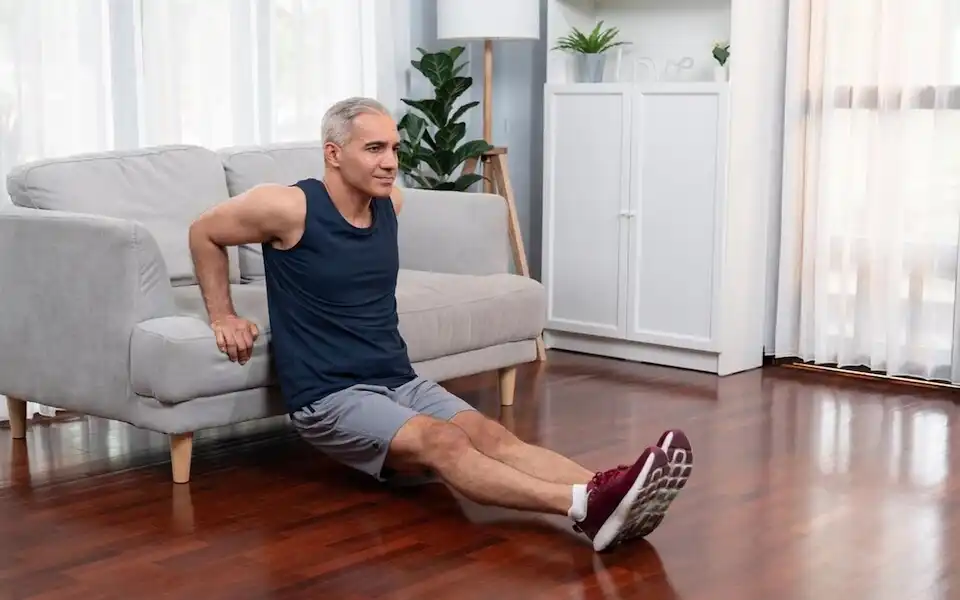
Lower back muscle pain is a common problem that people of all ages and levels of exercise can have. The pain can be very limited, whether it’s from moving something heavy, sitting for long periods, or working out too hard. Luckily, focused movements can be very helpful in getting better and keeping it from happening again. We’ll talk about safe, effective workouts for lower back pain, as well as give you some tips and advice to help you get better.
Understanding Lower Back Muscle Strain
Lower back muscle strains happen when the muscles or tendons in the lower back are torn or pulled too far. It can be caused by quick moves, bad pulling techniques, stress that builds up over time, or even bad posture. Pain in one area, stiffness, and sometimes twitches are common symptoms. Muscle pulls don’t usually make the legs feel cold or tingly, like more major spine problems do. Figuring out the cause of the stress is very important because it affects the treatment choice, especially when picking the right workouts.
Guidelines Before Starting Exercises
It’s important to make sure you’re in the right stage of healing before starting workouts. In the 24 to 48 hours after getting hurt, don’t do anything too strenuous. Instead, put ice on the area and rest. You can start doing light workouts once the pain and swelling go away, which should only take a few days.
Light walking or applying heat to your body will help the blood flow. Pay attention to form over energy; bad movements can make the pain worse. Stop exercising right away if it hurts sharply or all over. Do what your body tells you and don’t push through pain.
Recommended Exercises For Lower Back Muscle Strain
1. Pelvic Tilts
Pelvic tilts are a great way to stretch your lower back and slowly work on building your lower ab muscles.
How To Do It:
- Lay on your back with your feet flat on the floor and your knees bent.
- Put your back flat on the floor and tighten the muscles in your stomach.
- Hold for five seconds, and then let go.
- Do it 10–15 times.
2. Knee-to-chest Stretch
By making the spine longer and opening up tight muscles, this stretch helps ease stress in the lower back.
How To Do It:
- Lie on your back with both knees bent.
- Hold the back of your thigh and slowly bring one knee to your chest.
- Keep it up for 20 to 30 seconds, then switch legs.
- Do two to three rounds for each leg.
3. Cat-cow Stretch
The cat-cow stretch, which is based on yoga, helps the spine move freely and relaxes the back muscles softly.
How To Do It:
- Get down on your hands and knees like you’re at a table.
- Take a deep breath in as you arch your back (cow) and lift your head and tailbone.
- As you round your back (cat pose) and tuck your chin and hips in, let out a breath.
- Repeat 10–15 times, moving slowly and at a steady pace.
4. Bird-dog Exercise
This move works out a lot of muscle groups, which makes the core stronger and the spine more stable.
How To Do It:
- Start by sitting on a table.
- Keep your back flat and stretch out your right arm and left leg at the same time.
- Hold for five seconds, then go back to the beginning.
- Do 8–10 reps on each side as you switch sides.
5. Bridge Exercise
The bridge makes the glutes and legs stronger and supports the lower back by taking pressure off of spine muscles that are working too hard.
How To Do It:
- Lay on your back with your feet hip-width apart and your knees bent.
- Lift your hips and squeeze your glutes until your body is in a straight line from your shoulders to your knees.
- Fit for 5 to 10 seconds, and then slowly let go.
- Do it 10–15 times.
6. Child’s Pose
This yoga pose for resting stretches the back gently and helps you breathe.
How To Do It:
- Get on your knees and touch your big toes together. Spread your knees apart.
- Put your heels back on the ground and reach your arms out in front of you.
- Put your face on the mat and take deep breaths for 30 to 60 seconds.
- As you go through your process, repeat as needed.
Post-exercise Care
It’s important to cool down after working out so that you don’t get stiff. Moving slowly or stretching can help relax muscles. Using heat (like a warm bath or massage) afterwards can also help. If your back hurts, switch between heat and ice packs to reduce swelling. Write down how much pain you’re in and how things are going for you over time.
When To Consult A Professional
While most lower back strains get better on their own, there are times when you need to see a doctor. If the pain lasts longer than two weeks, gets worse when you move, or comes with other symptoms like trembling, stiffness, or weakness in the legs, it could be a sign of a more serious problem. A physical therapist or orthopaedic specialist can look at the case and make a rehab plan that is just right for you.
Prevention Tips For The Future
- Keep your back straight, especially when you’re sitting or moving.
- Include activities that improve your core in your daily practice.
- When you lift big things, make sure you bend your knees and keep the weight close to your body.
- If you are sitting or standing for a long time, take a break.
- If you have to sit at work, you might want to find ways to make your desk more comfortable.
Conclusion
You don’t have to do anything to recover from a strained lower back muscle. By doing the right routines, you can not only ease pain but also get stronger and more flexible to avoid getting hurt again. Pay attention to your form and start slowly. These easy things you can do can make a key difference in how fast you heal and how healthy your spine is generally.

Gas S. is a health writer who covers metabolic health, longevity science, and functional physiology. He breaks down research into clear, usable takeaways for long-term health and recovery. His work focuses on how the body works, progress tracking, and changes you can stick with. Every article is reviewed independently for accuracy and readability.
- Medical Disclaimer: This content is for education only. It doesn’t diagnose, treat, or replace medical care from a licensed professional. Read our full Medical Disclaimer here.