

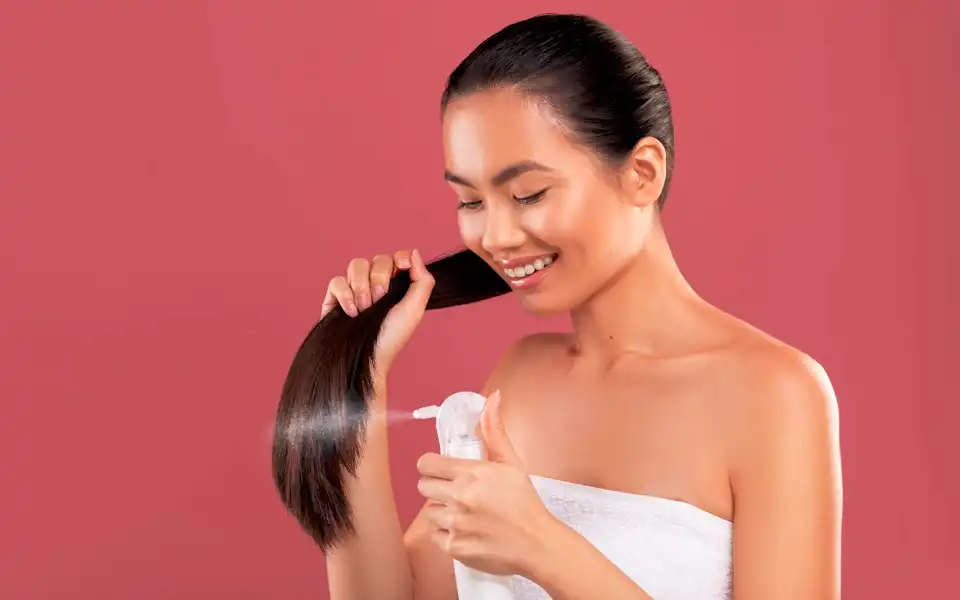
You’re not the only one who has trouble with dirty hair. Hair that is too oily can make you feel bad about how you look and make your hair feel heavy. But it can make a big difference if you know why your hair gets oily and how to take care of it properly.
Understand The Root Causes Of Greasy Hair
Sebum, the natural oil made by sebaceous glands in your head, builds up too much and makes your hair oily. Sebum is needed to protect and condition your hair, but if these glands work too hard, too much oil can build up and make your hair look shiny and oily instead of clean and fresh.
Several things affect the production of oil. People with oily hair may also have children or grandchildren with oily hair. Changes in hormones, like those that happen during puberty, menstruation, or pregnancy, can also make your skin oilier. Also, things in the environment like heat, pollution, and even some hair products can make hair even greasier by either making it produce more oil or leaving behind leftovers that make hair heavy.
Proper Hair Washing Techniques
You need to find the right mix when you wash your hair that is dirty. If you wash your hair too often, it can lose its natural oils, which can cause it to produce even more oil. If you wash your hair too little, on the other hand, oils can build up and make it look dull and dirty.
Choosing The Right Shampoo
Look for shampoos that are made to treat oily hair or skin. These shampoos usually have chemicals that help control the amount of oil your hair makes and clean deeply without drying it out too much. Do not use shampoos that have a lot of silicones or heavy conditioners because they can make your hair frizzy.
How Often To Wash
Most people with thick hair should wash their hair every other day. If you live a certain way, this may be different. If you work out a lot or live in a hot area, you might need to wash your hair every day with a soft shampoo. Watch how your hair reacts to different products to find the best one for you.
Washing Tips
Hot water can hurt the skin and make it make more oil, so use cold water instead. Shampoo your head instead of the ends of your hair when you wash it. Rinse well to keep gunk from building up, which can make things stickier.
Use Of Suitable Hair Care Products
For dirty hair, not every conditioner or style tool works the same. To keep from adding extra weight or oil, it’s important to choose items that are light and don’t clog pores.
Conditioners
Don’t put conditioner on your head; only put it on the middle and ends of your hair. This keeps the hair strands moist and stops oil from building up at the roots.
Dry Shampoo
Dry shampoo can save your life if you have oily hair because it soaks up extra oil and makes your hair feel fresh between washes. Put it on your roots with a spray or sprinkle, wait a few minutes, and then brush it out. Just be careful not to use too much dry shampoo, because too much powder can build up and hurt your hair.
Natural Remedies
Use of natural oils and rinses can also help control oily hair. For instance, apple cider vinegar mixed with water can be used as a natural cleanser to balance the pH of the skin and make it less oily. When added in small amounts to shampoo, tea tree oil’s antifungal qualities can soothe the skin and stop oil buildup.
Lifestyle And Dietary Changes
Your skin health can be affected by what you eat and how you live. Diets that are high in processed foods, sugars, and cheese have been linked to some people making more oil. Adding more fruits, veggies, lean meats, and omega-3 fatty acids to your diet can assist keep hormone levels in check and get rid of extra oil.
Water is also very important. If you drink enough water, your body and hair will stay healthy, and your glands won’t have to make too much oil to compensate.
Stress is another one. Stress that lasts for a long time can change hormone levels, including those that control how much oil is made. Adding stress-relieving activities to your routine, like exercise, meditation, or sports you enjoy, can help the oil balance on your head.
Daily Hair Care Habits To Reduce Greasiness
Aside from shampooing and styling, small habits can help a lot with thick hair.
- Avoid Frequent Hair Touching: Your hands contain dirt and oils, which may transfer to your hair and scalp, making it greasier.
- Limit Brushing: Too much brushing wakes up the head and spreads oils from the roots to the ends of the hair, which makes it look oily more quickly.
- Keep Your Hair Out of Your Face: Rubbing your hair against your forehead or face can move oils and sweat to your scalp, which makes your body make more oil.
- Choose Appropriate Hairstyles: Ties or buns that aren’t too tight on the head keep hair out of your face without irritating the oil glands.
When To Seek Professional Help
If your hair stays oily even after regular care, or if it itches, turns red, flakes, or falls out, you might want to see a dermatologist. Skin problems like seborrheic dermatitis and hair infections need to be treated by a doctor. Professionals can help you find medicinal shampoos, skin treatments, and other treatments that are right for your hair.
Conclusion
To deal with oily hair, you need to know what your skin wants and make a regular schedule that includes cleaning, conditioning, and healthy habits. You can remove extra oil and have fresh, healthy hair that looks and feels great by using the right products, washing your hair the right way, and being aware of the habits you follow every day.

Gas S. is a health writer who covers metabolic health, longevity science, and functional physiology. He breaks down research into clear, usable takeaways for long-term health and recovery. His work focuses on how the body works, progress tracking, and changes you can stick with. Every article is reviewed independently for accuracy and readability.
- Medical Disclaimer: This content is for education only. It doesn’t diagnose, treat, or replace medical care from a licensed professional. Read our full Medical Disclaimer here.