

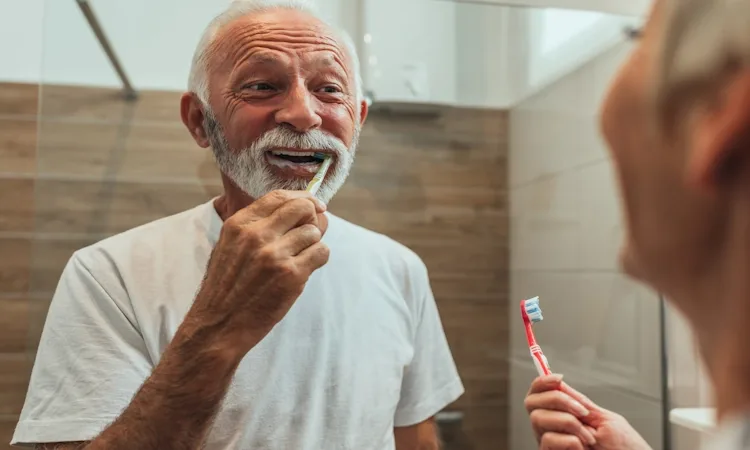
Your mouth isn’t separate from the rest of you. It’s more like a front porch. If the porch is rotting, you usually find other problems inside the house, too.
Small changes in your gums, breath, and saliva can show up long before you feel “sick.” That matters because gum irritation is tied to inflammation, and long-term inflammation is linked to many age-related health problems. Nothing about this needs to be scary. It just means your mouth can be an early warning system.
This guide gives a clear, step-by-step plan for oral health for longevity, including daily habits, food choices, simple tools, and what to measure at the dentist so you can track progress like any other health goal.
Why oral health can speed up, or slow down, aging
Aging doesn’t happen only in your joints or your arteries. It shows up in how well your body manages irritation, infection, and healing. Your mouth sits right in that flow.
Here’s the simple version: your teeth and gums live next to a thick community of bacteria. Most of the time, it’s fine. However, when plaque builds up at the gumline, gums can swell and bleed. That bleeding is a sign the barrier is irritated. Over time, repeated irritation may add to overall inflammatory load, especially for people already dealing with stress, poor sleep, smoking, or uncontrolled blood sugar.
Many oral issues stay quiet for years. You can have gum disease without sharp pain. That’s why prevention is such a big part of oral health for longevity. It’s easier to stop a small leak than rebuild a wall.
Research on oral-systemic links is still evolving, and it’s careful about cause and effect. Still, major dental groups acknowledge associations between periodontitis and conditions like diabetes and heart disease, along with shared risk factors. If you want a straight, balanced summary, the American Dental Association’s oral-systemic health overview is a good place to start.
Aging and gum disease also tend to travel together. As we get older, medications, dry mouth, and dexterity issues can make plaque control harder. At the same time, the immune response can shift with age. That combo is why consistency matters more than fancy products. Think of this as daily maintenance that supports your whole-body “wear and tear” budget, which is exactly the point of oral health for longevity.
The gum inflammation link, how bleeding gums can affect the whole body
Gingivitis is early gum inflammation. Gums may look puffy, and they often bleed when you brush or floss. The good news is gingivitis can often improve with better daily care and professional cleanings.
Periodontitis is more advanced. The tissues and bone that support teeth can start to break down. Dentists track this using “pocket depth.” Picture a turtleneck sweater. If the collar is snug, there’s little space. If it loosens, there’s a deeper gap where bacteria can hide. Deeper pockets are harder to clean at home.
Bleeding is not “normal,” even if it’s common. It’s a signal to act, not a reason to brush harder. Because gum inflammation is linked to wider inflammation, persistent bleeding may matter beyond your smile. That’s not a diagnosis, but it is a practical reason to take it seriously.
Oral bacteria, your immune system, and why your mouth is a busy gateway
Plaque is a biofilm, a sticky layer that forms on teeth every day. If you don’t disrupt it, the film thickens and irritates the gumline.
When gums are inflamed, bacteria and their byproducts may enter the bloodstream more easily. Imagine your gums as a fence. Healthy gums are a solid fence. Inflamed gums are a leaky fence. More “stuff” slips through, and your immune system has to respond.
If your immune system is already stretched (poor sleep, chronic stress, uncontrolled diabetes), it may struggle more with immune system oral bacteria balance. You don’t need perfection, but you do need a repeatable routine.
For a deeper, research-focused look at how oral health connects with chronic disease prevention, see The root of the matter (NCBI/PMC).
The daily blueprint, simple habits that protect teeth, gums, and your future self
Most people think brushing is the whole story. It’s not. Brushing cleans tooth surfaces. Gum health also depends on what happens at the gumline and between teeth.
The heart of oral health for longevity is gentle plaque disruption, twice a day, every day. Aggressive brushing can irritate gums and wear enamel near the gumline, so pressure matters. Aim for “massage” pressure, not “scrub the sink” pressure.
A helpful way to think about anti aging oral care is this: you’re reducing daily inflammation triggers and keeping tissues stable. You’re also making it easier for your dentist to maintain what you’ve built at home.
Here’s a simple structure that fits real life:
- Morning: 2 to 4 minutes total, focus on fresh biofilm and gumline sweep.
- Night: 4 to 6 minutes total, focus on between-teeth cleaning and leaving protective toothpaste on.
These are longevity habits oral care in plain clothes. They’re boring, and that’s the point. Boring habits are the ones you keep, which is why oral health for longevity is more about rhythm than willpower.
If your gums bleed, don’t “take a break” from flossing. Instead, floss more gently and more consistently, and book a dental visit if bleeding doesn’t improve.
A 2 minute morning routine that sets your mouth up for the day
Start with a soft-bristle brush. Place bristles at a slight angle toward the gumline. Then use small circles or short strokes, moving tooth by tooth. Count it out if you need to, because 30 seconds feels long when you’re rushing.
Electric vs manual matters less than technique, but electric brushes can help if your hands get tired. Either way, replace the brush head when bristles flare.
Next, clean your tongue. A few light passes with a tongue scraper or your toothbrush helps reduce odor and bacterial load.
Mouthwash can help in certain cases, but it’s not required for most people. If you use it, avoid rinsing right after brushing if the goal is cavity protection, because you may wash away fluoride. Use rinse at a different time of day, or ask your dentist what fits your risk.
Sensitive gums tip: brush with warm water and slow down. Speed often turns into pressure.
Done right, this routine supports oral health for longevity by lowering the daily irritation that keeps gums “on alert.”
A night routine that focuses on plaque control between teeth
Night care is where you win or lose gum health. Saliva drops during sleep, so bacteria get a calmer environment. That’s great for them, not for you.
First, clean between teeth. Choose the tool you’ll actually use:
Floss works well for tight contacts. Soft picks can be easier for larger spaces. A water flosser helps people with braces, bridges, implants, or limited hand strength. Many people combine tools, but you don’t have to.
Bleeding can happen at first, especially if you’re restarting flossing. It should improve within about one to two weeks with gentle, daily effort. If it persists, or if you see swelling or bad taste, schedule a visit.
After interdental cleaning, brush for two minutes. Spit out foam, then avoid rinsing with water so toothpaste can keep working.
This is the “slow and steady” side of oral health for longevity. It’s also the most overlooked.
Food, dry mouth, and smart “biohacks” that support a healthier mouth
Food doesn’t just affect cavities. It shapes your saliva, your oral bacteria, and the acidity in your mouth. If you want a practical form of biohacking oral health, start with frequency, not perfection.
Sugar amount matters, but sugar frequency often matters more. A soda sipped for two hours creates repeated acid attacks. A dessert eaten with dinner is usually less damaging, because saliva flow is higher at meals and you’re not constantly re-starting the acid cycle.
Saliva is your built-in mouthwash. It rinses debris, buffers acid, and provides minerals that help enamel re-harden. When saliva is low, the mouth tends to feel sticky or burny. Breath can worsen, too. Dry mouth also raises cavity risk.
This is where inflammation aging mouth patterns can creep in. Dry tissues irritate easily, plaque sticks more, and gums may feel tender. Supporting saliva is a quiet but powerful part of oral health for longevity.
For a big-picture look at oral health and healthy aging research, see Oral health and healthy ageing: a scoping review (BMC Geriatrics).
Here are simple swaps you can try this week, without turning meals into homework: choose water as your default drink, keep sweets with meals instead of as solo snacks, end lunch with crunchy produce like apples or carrots when it agrees with your teeth, and swap sticky candies for less clingy treats.
Eat and drink in a way that helps your saliva protect you
Hydration is basic, but it’s often the missing piece. Sip water across the day, especially if you talk a lot for work or exercise often.
Dry mouth triggers include caffeine, alcohol, mouth breathing, and many common medications (for allergies, depression, blood pressure, and more). Don’t stop meds on your own, but do tell your dentist if your mouth feels dry.
Sugar-free gum can help by stimulating saliva. Xylitol gum may also reduce cavity risk for some people, although tolerance varies. If it upsets your stomach, skip it. Timing helps, too. If you want dessert, have it after dinner, then drink water. That’s easier on teeth than grazing all evening.
If you wake with a dry mouth, think “airway and water” first, not stronger mouthwash.
These small choices reinforce oral health for longevity because they work with your body’s natural defenses.
Supplements and trendy tools, what helps, what is hype, and what to ask first
Toothpaste is the main “supplement” most mouths need. Fluoride toothpaste has strong evidence for cavity prevention. Nano-hydroxyapatite toothpaste also has growing evidence for remineralization, and some people prefer it, but talk to your dentist if you’re high risk.
Antimicrobial rinses can be useful short term, for example after dental work or during a gum flare. Long-term daily use can irritate tissues for some people, and it may change the oral microbiome. Ask before you commit.
Oral probiotics have mixed evidence. Some people report fresher breath, but results vary by product and person. Whitening products can increase sensitivity and irritate gums if trays leak or strips slide. If you’re pregnant, on medications, or already have gum disease, check with your dentist before adding new tools.
Used wisely, these add-ons can support oral health for longevity, but they don’t replace floss and a soft brush.
For a clinician-focused overview of how periodontal disease relates to systemic health, the British Dental Journal review offers helpful context.
Your dental checkups as a longevity check, what to measure and what to ask
Dental visits shouldn’t feel like a mystery. Think of them like blood pressure checks for your mouth. You’re tracking stability over time, not chasing “perfect.”
Most people need cleanings every six months, but risk changes that schedule. If you have a history of gum disease, smoke, have diabetes, or struggle with dry mouth, you may need visits every three to four months. As a result, aging and gum disease risks rise partly because the supporting tissues have faced more years of plaque and inflammation.
Bring the same mindset you’d bring to fitness tracking. You’re building oral health for longevity by measuring what matters, adjusting, then re-checking. Over time, you’ll see patterns: bleeding scores drop, pockets stabilize, fewer fillings appear, and sensitivity fades.
For patient-friendly gum disease basics, the European Federation of Periodontology FAQ explains symptoms, causes, and prevention in clear terms. Use it to sanity-check what you’re hearing in the chair.
Most importantly, your dentist and hygienist can help you choose the right interdental tool and the right toothpaste for your risks. That personalized fit is a big part of oral health for longevity, especially as habits and medications change with age.
Numbers that matter, gum pockets, bleeding points, bone loss, and X rays
Gum pocket numbers usually range from 1 to 3 millimeters in healthy areas. Deeper readings can signal more inflammation or attachment loss. “Bleeding on probing” means the gum bled when gently measured. The goal isn’t to chase zeros overnight. The goal is trend improvement and then stability.
X-rays help track bone levels and detect cavities between teeth. Your dentist sets the interval based on risk, not a one-size plan. Home care and professional care work as a pair, like mowing the lawn and trimming the hedges.
A short question list to bring to your next visit
Ask these in plain language, and write the answers in your phone notes: Am I at risk for gum disease, and why? Do I need a full periodontal charting today? What’s the best tool for cleaning between my teeth? Are there signs I’m grinding or clenching? Do I need fluoride, and in what form? What’s my dry mouth plan if saliva is low? How can I improve my bleeding score at home? When should I come back based on my risk?
Those questions turn a routine cleaning into a real check-in for oral health for longevity.
Conclusion
A longer, healthier life isn’t built from one heroic habit. It’s built from small actions that lower daily inflammation, keep plaque under control, and protect saliva so your mouth can repair itself. Add in dental visits that measure pockets, bleeding, and bone levels, and you’ve got a simple system you can track.
For the next seven days, do two things: clean between teeth every night, and stop rinsing with water after brushing. Next, make one saliva-friendly swap, like trading a sweet snack for water, then chew gum after meals. Keep it easy and gentle, and stay consistent with oral health for long-term wellness.

Gas S. is a health writer who covers metabolic health, longevity science, and functional physiology. He breaks down research into clear, usable takeaways for long-term health and recovery. His work focuses on how the body works, progress tracking, and changes you can stick with. Every article is reviewed independently for accuracy and readability.
- Medical Disclaimer: This content is for education only. It doesn’t diagnose, treat, or replace medical care from a licensed professional. Read our full Medical Disclaimer here.