

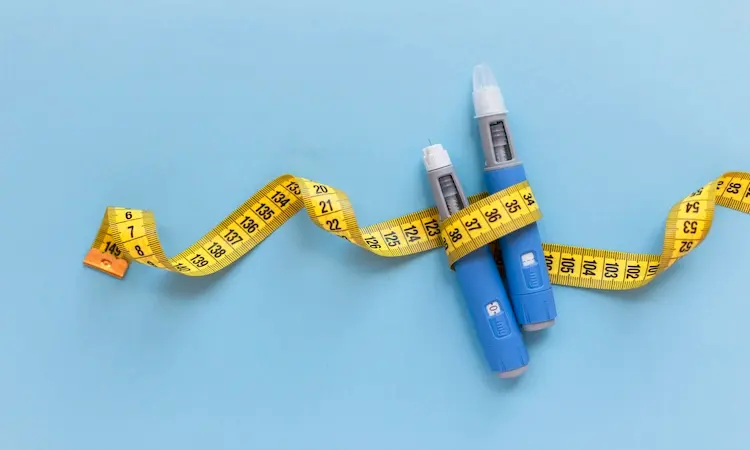
If insulin had a public image problem, it would be that people only meet it during a weight-loss conversation. But insulin biology is bigger than fat loss. Insulin is a hormone that helps move sugar (glucose) out of your blood and into your cells, where it can be used for energy or stored for later. Without insulin, blood sugar rises to dangerous levels, and cells can’t get the fuel they need.
Here’s the tension: insulin is necessary for life, but how often it rises and how high it goes can influence whether your body leans more toward storing energy or using stored fuel. That’s why blood sugar swings, insulin sensitivity (how well your cells respond), and insulin resistance (when they stop responding as well) matter for day-to-day energy, appetite, and long-term health.
By the end, you’ll know what insulin does after meals, why frequent insulin spikes can block fat burning, and which daily habits support steadier glucose control without obsessing over every bite.
Insulin biology in real life: what happens after you eat
Picture your body like a busy kitchen. A meal comes in, and your job is to sort it quickly: use what you need now, store what you’ll need later, and keep the counters clean. Insulin is one of the main “kitchen managers” that makes that sorting happen.
Let’s walk through a simple meal story.
You eat a bowl of cereal and a glass of juice. These foods digest fast, glucose enters your bloodstream quickly, and blood sugar rises in a noticeable curve. Your pancreas responds by releasing insulin to bring blood sugar down and guide glucose into cells. If you’re active and insulin sensitive, muscle cells soak up a lot of that glucose, like a sponge.
Now compare that with chicken, veggies, and beans. Digestion is slower, the rise in blood sugar is often smaller, and insulin tends to rise more gently. Protein and fiber don’t remove insulin from the story, but they can change the pace.
Insulin’s normal job is helpful: move glucose into muscle and liver, store extra energy safely, and keep blood sugar in range. Problems start when insulin is chronically high, which can happen with frequent high-sugar intake, constant snacking, low activity, poor sleep, stress, and insulin resistance. In that state, your body spends more time in “storage mode,” and less time accessing stored fuel.
From blood sugar to insulin release: the quick chain reaction
Carbs are the main driver of post-meal blood sugar changes because they break down into glucose. That glucose enters your bloodstream, and your pancreas senses the rise. Insulin release follows, acting like a key that helps glucose move from blood into cells, especially muscle and liver cells. Some glucose can also be taken up by fat cells, depending on your overall energy balance and hormone signals.
Insulin doesn’t just “push sugar down.” It also sends a broader message: fuel is available right now. Your body should use incoming energy first, and store any extra.
There’s also a counter-hormone working in the background: glucagon. Between meals, glucagon helps keep blood sugar steady by telling the liver to release stored glucose. Think of insulin and glucagon as a thermostat pair. Insulin helps lower blood sugar after eating, glucagon helps prevent it from dropping too low when you haven’t eaten.
If you want a deeper science view of how insulin signaling connects with nutrient flow in the body, this visual from The Journal of Clinical Investigation is useful: insulin resistance pathways and substrate flux.
Where the extra energy goes: glycogen first, then fat storage
Your body has a preferred short-term storage option for carbs: glycogen. Glycogen is basically packaged glucose, stored in your liver and muscles. It’s quick to access, which is why it matters for exercise and for steady energy between meals.
After you eat, insulin helps refill glycogen stores first. If your muscles are “empty,” such as after a long walk, a workout, or an active day, they can store more. If you’ve been mostly sitting and you keep eating carbs, glycogen can top off sooner.
Once glycogen storage is closer to full and you’re still bringing in extra energy, your body is more likely to store the surplus in adipose tissue (body fat). This isn’t a moral failure or a broken system. It’s normal physiology. Fat tissue is the long-term pantry, and storing energy there is one way the body protects you from having too much fuel floating around in the bloodstream.
The catch is repetition. If you stack frequent surplus on top of low activity, storage can outpace use. Over weeks and months, that can show up as gradual weight gain and harder glucose control. And if insulin levels are often elevated, your body gets fewer chances to switch into fat-burning mode.
For a technical look at how insulin supports triglyceride storage at the cellular level, this review is a solid reference: insulin signaling for triacylglycerol storage.
How insulin affects fat burning: the “fuel switch” idea
Many people ask, “Does insulin make you fat?” It’s a tempting sound bite, but it misses the bigger point. Insulin is a normal response to food. It doesn’t create body fat out of thin air. What it does do is influence which fuel you burn at a given moment.
A helpful way to frame this is the “fuel switch” idea, also called metabolic flexibility. Metabolic flexibility means your body can shift smoothly between burning glucose (after meals) and burning fat (between meals, overnight, or during longer low-intensity activity). When this switch works well, energy feels steadier, hunger cues are more predictable, and it’s easier to go a few hours without thinking about food.
When insulin is high, your body gets a clear signal: use glucose first, store the extra, and slow down the release of fat from fat tissue. When insulin is lower between meals, the opposite becomes easier: tap into stored fat to cover some of your energy needs.
This is why two people can eat the same number of calories and have different experiences with hunger, cravings, and energy. Their insulin response and insulin sensitivity can change how quickly they switch fuels.
If you’re interested in the debate around insulin and weight regulation, this review outlines one prominent framework (with critiques and nuance in the scientific conversation): The Carbohydrate-Insulin Model of Obesity.
High insulin turns down fat release from fat cells
Your fat cells store energy mostly as triglycerides. To use that energy, your body breaks triglycerides down into fatty acids, then releases them into the bloodstream. That process is called lipolysis.
Insulin turns lipolysis down. When insulin is elevated, less fat is released from adipose tissue, and fewer fatty acids circulate for muscles and other tissues to burn. It’s not that fat burning becomes impossible, but it becomes less favored.
This is where constant grazing can matter. If you snack all day, especially on refined carbs or sugary foods, insulin may stay elevated more often than you realize. Even small insulin rises can keep the “use incoming fuel” signal running. Over time, that can make it harder to access stored fat, even if your total intake doesn’t feel huge.
This isn’t an argument for extreme rules. It’s a reminder that meal patterns affect hormones, and hormones affect fuel choice. Sometimes the simplest change is not “eat less,” but “give your body clear breaks between meals.”
Low insulin between meals helps your body access stored fat
Between meals, insulin naturally falls. That drop is normal and healthy for most people. As insulin decreases, lipolysis can rise, meaning more fatty acids can leave fat tissue and be used for energy. This is one reason people often feel a steadier energy curve when they eat balanced meals and stop constant snacking.
“Low insulin” doesn’t mean “zero insulin.” Your body always has some baseline insulin activity, and that’s a good thing. Also, not everyone thrives on the same carb intake. Athletes, highly active people, people who are pregnant, and people with certain medical conditions may need different approaches.
A balanced view is to aim for patterns that support your body’s natural rhythm: higher insulin after a meal, lower insulin between meals, and fewer chaotic spikes. You’re not trying to eliminate insulin. You’re trying to improve glucose control and make the fuel switch smoother.
For a deeper look at insulin’s role inside fat tissue, including how fat cells respond and remodel over time, see this review: insulin action in adipocytes and systemic effects.
Insulin resistance: when the signal stops working well
Insulin resistance is what happens when cells respond less to insulin’s signal. Imagine knocking on a door and getting no answer. The body’s solution is to knock louder. In biology terms, the pancreas makes more insulin to keep blood sugar in a healthy range.
At first, blood sugar may look “normal” on routine labs, even while insulin is rising behind the scenes. Over time, higher insulin can make fat storage easier and fat release harder, especially when paired with a sedentary lifestyle and frequent refined-carb intake. Many people also notice energy swings, stronger cravings, and hunger that returns soon after eating.
This topic can feel loaded, so it’s worth saying clearly: insulin resistance isn’t a character flaw. Genetics, age, muscle mass, sleep, stress, certain medications, and life stage all play a role. The good news is that insulin sensitivity often improves with consistent habits, even before the scale changes.
Abdominal weight gain is often linked with insulin resistance risk, partly because visceral fat (fat around organs) is more metabolically active and can worsen inflammation and hormone signaling. If you want context on how diet patterns and excess abdominal fat relate to insulin resistance, this overview is a helpful read: fat and sugar behind insulin resistance.
Early clues your insulin sensitivity may be slipping
Some signs show up in everyday life, long before anyone uses a diagnosis. These clues are not diagnostic, but they can be a nudge to check in with a clinician and look at labs in context.
- Cravings soon after eating (especially for sweets or refined carbs)
- Afternoon crashes and brain fog, even with “enough” sleep
- Getting hungry quickly, like you just ate but still feel unsatisfied
- Stubborn belly fat that’s hard to shift with the same old plan
- Higher fasting blood sugar on routine labs (even if not in the diabetes range)
- Higher triglycerides, sometimes paired with lower HDL cholesterol
Only a healthcare professional can diagnose insulin resistance or related conditions. If you’re worried, it’s reasonable to ask about fasting glucose, A1C, triglycerides, and in some cases fasting insulin, then interpret them with your full history.
What improves insulin sensitivity in the real world
Better insulin sensitivity usually comes from boring, repeatable actions, not fancy hacks. The goal is to give muscles more demand for fuel, slow down big glucose spikes, and support recovery so hormones stay steadier.
A few levers tend to help most people:
- Strength training and regular walking: Muscles are major glucose “sinks.” Training helps them pull in glucose with less insulin over time. A 10 to 15-minute walk after meals can lower the post-meal glucose rise for many people.
- Protein and fiber at meals: Protein supports fullness and muscle maintenance. Fiber slows digestion and often reduces the glucose spike from carbs.
- Fewer sugary drinks: Liquid sugar hits fast and doesn’t satisfy hunger well, so it can raise blood sugar and insulin without much satiety.
- Sleep you can count on: Short sleep can increase hunger hormones and worsen insulin sensitivity the next day.
- Stress management: Stress hormones can raise blood sugar and push cravings, even if your diet looks “perfect” on paper.
- Consistent meal timing: You don’t need rigid schedules, but constant random eating can keep insulin higher more often than you think.
If you’re on medication for blood sugar, or you suspect prediabetes or diabetes, get personal guidance before making major diet changes.
Conclusion
Insulin keeps you alive, plain and simple. It moves glucose from blood into cells, helps refill glycogen, and stores extra energy for later. When insulin runs higher more often, your body is more likely to store fuel and less likely to release fat from adipose tissue, which can make fat burning feel like it’s “stuck.” When insulin drops between meals, your body has more room to access stored fat, supporting metabolic flexibility over time. And when insulin resistance develops, the body often makes more insulin just to keep blood sugar steady.
For a simple place to start, stick with three basics: base your meals on protein and fiber, get some daily movement (especially after you eat), and guard your sleep. If you have symptoms or lab results that look off, check in with a healthcare professional for advice that matches your health history and weight biology.

Gas S. is a health writer who covers metabolic health, longevity science, and functional physiology. He breaks down research into clear, usable takeaways for long-term health and recovery. His work focuses on how the body works, progress tracking, and changes you can stick with. Every article is reviewed independently for accuracy and readability.
- Medical Disclaimer: This content is for education only. It doesn’t diagnose, treat, or replace medical care from a licensed professional. Read our full Medical Disclaimer here.