

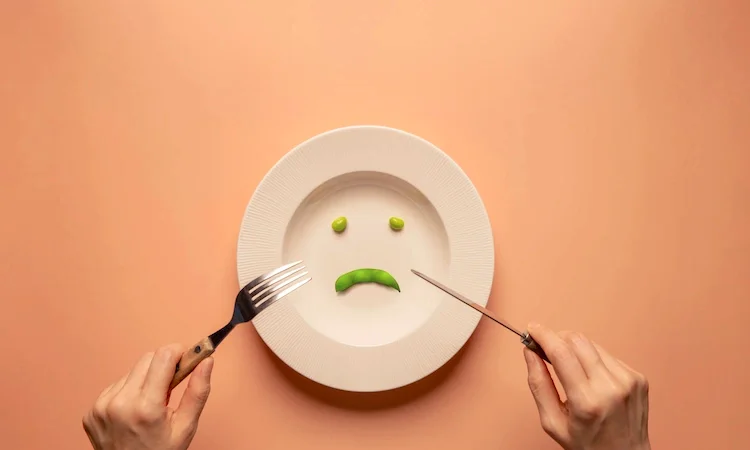
You start a diet with a clear plan. The first few days feel fine, maybe even motivating. Then something shifts. You’re thinking about food more often. Your stomach growls sooner. A normal lunch doesn’t feel like it “counts” anymore, and by mid-afternoon you’re scanning the kitchen like it’s calling your name.
If that sounds familiar, it’s not because you’re weak or “bad at dieting.” A big reason is ghrelin hormone, often called the hunger hormone. When you cut calories or lose weight, ghrelin can rise and make hunger feel more urgent. It’s one of your body’s built-in tools for keeping you alive.
Ghrelin isn’t the only player, though. Sleep, stress, the type of foods you eat, and how fast you lose weight all shape appetite. Here’s what ghrelin does, why diets can turn it up, and how to work with your biology so your plan doesn’t feel like a daily fight.
Meet ghrelin, the hunger hormone that pushes you to eat
Ghrelin is a hormone that helps regulate appetite. Think of it like a text message your body sends to your brain that says, “Food soon would be a good idea.” It’s made mostly in the stomach (with smaller amounts from other tissues), and it’s designed to keep you from drifting too far into energy shortage.
In a typical pattern, ghrelin levels rise before meals and fall after eating. That rise doesn’t just create a stomach growl. It can also change how you think and feel. Food looks more appealing, cravings get louder, and it’s harder to feel satisfied with small portions. Ghrelin interacts with brain areas involved in hunger and reward, which is one reason “just ignore it” can feel impossible.
If you want a plain-language medical overview, Cleveland Clinic’s explainer on what ghrelin is and what it does is a helpful reference.
Ghrelin also has a counterpart that gets a lot of attention: leptin. Leptin is often described as a fullness hormone, because it reflects longer-term energy stores (your body fat) and can reduce appetite over time. These two signals don’t work like a simple on and off switch, but the contrast is useful: ghrelin tends to nudge eating up, leptin tends to nudge it down.
Daily life can move ghrelin around more than people expect. Short sleep can make hunger feel stronger the next day. Stress can make appetite harder to read. Even your usual meal schedule matters, because your body learns patterns and prepares you to eat.
How ghrelin levels rise and fall during a normal day
Ghrelin often climbs in the hours leading up to a meal, then drops after you eat. That drop tends to be stronger after a filling, balanced meal than after a small snack.
Your body also learns timing. If you always eat lunch at noon, you might feel hungry around 11:30 even if breakfast was big. It’s like your stomach and brain run a “calendar reminder” for food. This is one reason meal timing can matter more than willpower.
Hunger cues can show up as stomach sensations, but also as:
- thinking about food more often
- irritability or low patience
- low energy and trouble focusing
- feeling like you can’t get “full”
Those cues can be real signals, not a character flaw. Sometimes they reflect habit, but often they reflect biology and routine working together.
Why ghrelin is not “bad,” it is doing its job
It’s tempting to treat ghrelin like an enemy, but it’s more like a smoke alarm. When energy is low, ghrelin helps motivate you to eat, which can support steady blood sugar and overall function. It also links with growth hormone release and other processes tied to maintenance and repair.
Here’s the catch: dieting often creates the same “energy shortage” signal your body evolved to fear. If you slash calories on Monday, ghrelin may rise on Tuesday and Wednesday, pushing back hard. That pushback can feel dramatic, because it’s meant to be effective.
For a broader look at ghrelin’s roles beyond appetite, this review article, Ghrelin: much more than a hunger hormone, gives useful context.
Why diets often increase hunger, even when you are “eating enough”
A frustrating part of weight loss is that hunger doesn’t always match the amount of food on your plate. You can be eating “reasonable” meals and still feel like your appetite is on high volume. That’s because your body doesn’t judge intake by social norms. It judges it by energy balance and stored fuel.
When you cut calories, your body reads it as a potential threat. One common response is to increase appetite signals, including ghrelin. This can happen in the short term (during the first weeks of a diet), and it can also show up after you’ve lost weight, when your body is trying to prevent further loss.
This helps explain why “I should be used to eating less by now” doesn’t always pan out. Habits matter, but appetite after weight loss can remain higher than expected, even when you’re following a plan carefully.
Different diet styles can change this experience. The same calorie target can feel easier or harder depending on protein, fiber, and food volume. A 500-calorie meal of chicken, beans, and vegetables tends to quiet hunger longer than a 500-calorie pastry and sweet coffee drink.
Calorie cuts can raise ghrelin, making hunger feel urgent
When energy intake drops, ghrelin can climb, and hunger can feel sharper. People often describe it as “I’m hungry, and I need food now,” instead of a mild cue that can wait.
Two things make this worse for many dieters:
First, meals that digest fast can leave you hungry sooner. Liquid calories are a classic example. Smoothies and shakes can fit into a plan, but they may not satisfy like a solid meal with chew time and volume.
Second, highly processed foods can be easy to eat quickly and may not keep you full for long. Even if they fit your calorie budget, you might feel like you’re constantly grazing, because hunger comes back fast.
A practical way to think about it is this: ghrelin responds not only to calories, but also to the experience of eating, including how filling the meal feels and how long it lasts.
After weight loss, your body may push back with more appetite
Many people notice the hardest part isn’t losing the first few pounds, it’s maintaining the loss. One reason is that the body can defend its previous weight. You’ll often hear this described as a “set point” or “settling point.” In plain language, your brain and body may act like your higher weight was normal, and they may push you to regain.
That pushback can include stronger hunger signals and a lower sense of satisfaction from meals. In some people, it can last for months. Research also suggests that increases in fasting ghrelin after weight loss can be linked with regain risk. The DiRECT analysis, weight loss-induced increase in fasting ghrelin and weight regain, is one example of this relationship being studied.
This doesn’t mean regain is inevitable. It means maintenance often requires a different strategy than the initial diet phase, with more attention to fullness, routine, and realistic expectations.
Other reasons hunger spikes on a diet (and how ghrelin fits in)
Ghrelin matters, but hunger is rarely just one hormone. Diet hunger is usually a stack of small problems that add up. Fixing even one or two can make the whole plan feel calmer.
A few common drivers:
Low protein can leave meals feeling “unfinished.” Protein tends to slow digestion and increase satiety signals, so low-protein diets often feel harder.
Low fiber and low food volume can make portions look and feel tiny, even when calories add up. Your stomach and brain care about stretch and time, not just numbers.
Poor sleep can make hunger louder the next day, and it can also make cravings more intense. When you’re tired, the brain pushes for fast energy.
Stress can shift eating from stomach hunger to “wanting,” where food sounds soothing even if you ate recently. Ghrelin can interact with stress and reward pathways, which is one reason stress eating can feel so sticky.
Fast weight loss and very hard training can also raise hunger. If you’re in a big deficit and doing intense workouts, your body has multiple reasons to demand more food.
For a patient-friendly explanation of appetite hormones after weight loss, Obesity Action has a readable article on ghrelin as the “go” hormone.
Protein, fiber, and food volume: the easiest way to improve satiety
If you want the simplest upgrade that helps most people, start here: build meals around protein, then add fiber and volume.
Protein examples that work for many diets include Greek yogurt, eggs, beans, chicken, fish, cottage cheese, tofu, and tempeh. You don’t need perfection. You need a “protein anchor” at most meals.
Fiber and volume often come from foods that take up space for fewer calories: vegetables, fruit, soups, lentils, oats, and whole grains. A big salad can help, but so can a warm bowl of vegetable-heavy soup, which tends to slow eating and feel more filling.
These choices don’t “turn off” ghrelin forever. They help you stay satisfied longer so rising ghrelin doesn’t dominate your day.
Sleep, stress, and tough workouts can turn hunger up fast
One short night of sleep can change the next day’s appetite. You might feel snacky even after normal meals, and sweets can look extra tempting. If your diet already includes a calorie cut, poor sleep can feel like gasoline on the fire.
Stress can work the same way. Sometimes you’re not hungry in your stomach, but your mind keeps circling food. That’s not fake hunger, it’s a different kind of hunger cue, tied to comfort and reward.
Hard training adds another layer. Some people feel less hungry right after intense exercise, then get very hungry later. Others feel hungrier all day. Both patterns are normal. If your workouts are tough and your diet is strict, it may be smart to adjust either your training load or your calorie deficit so your appetite doesn’t become unmanageable.
How to diet with less hunger: realistic steps that work with your hormones
If dieting constantly feels like you’re holding your breath, the plan is probably too aggressive, or too rigid, or both. Hunger management is mostly about reducing extremes: extreme deficits, extreme meal gaps, and extreme “diet foods” that don’t satisfy.
Before getting practical, one safety note: not everyone should diet. If you have a history of eating disorders, you’re pregnant, you take diabetes medications (or any meds that affect appetite or blood sugar), or you have other medical conditions, get personal guidance from a clinician or registered dietitian.
For everyone else, a calmer approach usually looks like:
- a smaller calorie deficit you can repeat week after week
- regular meals that prevent the “too hungry” zone
- protein and fiber at most meals
- sleep protection and stress outlets that aren’t food
You can’t control every hormone swing, but you can control the conditions that make those swings feel unbearable.
Use meal timing to prevent “too hungry” moments
Meal timing isn’t magic, but long gaps can backfire. When you go from “fine” to “starving,” you’re more likely to eat fast, overshoot your plan, and still feel unsatisfied.
A simple structure many people can adapt:
Breakfast, lunch, dinner, plus one planned snack if needed. If mornings aren’t your thing, you can shift the same idea later. The goal is steady fuel, not forcing meals you hate.
Here’s a sample day structure (not a meal plan):
Breakfast with protein and fiber, lunch with protein plus a high-volume side (like fruit or vegetables), mid-afternoon snack if dinner is far away, dinner with protein plus a filling carb and vegetables.
If you notice the same daily hunger crash, don’t moralize it. Adjust timing first.
Choose a smaller deficit, slower loss, and breaks when needed
Aggressive diets often raise hunger, drain energy, and increase food focus. That combo can lead to rebound eating, then guilt, then another aggressive restart.
A more moderate deficit tends to be boring, and that’s the point. It gives your appetite signals a chance to settle. It also makes it easier to keep training, sleeping, and functioning like a normal person.
Some people also do well with planned maintenance phases (often called diet breaks), where calories come up for a week or two before returning to a deficit. This isn’t a free-for-all. It’s a controlled pause that can improve adherence and reduce the feeling that you’re trapped.
The real win is fewer “white-knuckle” days, fewer binge episodes, and a plan you can live with.
Conclusion
When diets increase hunger, ghrelin hormone is often a big reason. Ghrelin rises when you cut calories, and it can stay higher after weight loss, which helps explain why appetite after weight loss can feel surprisingly intense. That’s biology doing its job, not a personal failure.
If you want a calmer path forward, remember three basics: prioritize protein and fiber at most meals, protect sleep and manage stress like it matters (because it does), and choose a moderate plan with steady meal timing instead of extreme cuts. If your hunger feels out of control, or dieting starts to fuel obsessive thoughts or slipping control, reach out to a clinician or a registered dietitian. They can help you find support that fits your needs, including how weight biology may be affecting what you’re feeling.

Gas S. is a health writer who covers metabolic health, longevity science, and functional physiology. He breaks down research into clear, usable takeaways for long-term health and recovery. His work focuses on how the body works, progress tracking, and changes you can stick with. Every article is reviewed independently for accuracy and readability.
- Medical Disclaimer: This content is for education only. It doesn’t diagnose, treat, or replace medical care from a licensed professional. Read our full Medical Disclaimer here.