

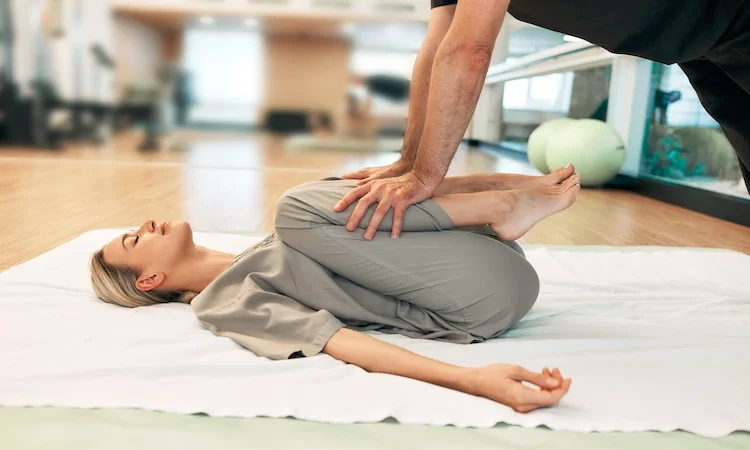
Somatic exercises are slow, mindful movements (often paired with gentle attention to breath and sensation) that help you notice tension, soften it, and feel more at home in your body. They can be as simple as a tiny shoulder roll you do on purpose, while tracking what changes inside.
This guide is about somatic exercises safety, not diagnosis or treatment. It isn’t medical advice, and it can’t replace care from a qualified clinician. The point is to help you spot red flags early, so practice stays steady and supportive.
Strong emotions and new sensations can show up, especially if you’re stressed, in pain, or healing from a hard season. A good rule is to stay inside a safe “window,” where you can breathe, think clearly, and choose to stop at any time.
Start safe: quick checks before you try somatic exercises
Somatic work often looks gentle from the outside, but it can stir up a lot on the inside. That’s why your safest move is to prevent problems before they start. Think of it like warming up your nervous system the way you’d warm up your muscles: slowly, with options.
First, decide what “success” means today. In somatic practice, success is not the biggest stretch or the deepest release. It’s staying present, noticing small shifts, and finishing feeling at least as okay as when you started. If you tend to be goal-driven, set a soft limit before you begin, like “I’ll stop while I still feel steady.”
Next, pick one focus. Mixing intense stretching, long breath sessions, big emotional processing, and deep fatigue is where many people get into trouble. Early on, keep it simple: one gentle movement pattern, or one body area, for a short time. If you want examples of pacing and how these exercises are typically taught, the maximum benefit guide for somatic exercises is a helpful reference for “less is more” practice.
Finally, give yourself real permission to stop. Not “stop if it’s unbearable,” but stop if it’s getting fuzzy, tense, or too intense. Stopping is a skill, and it’s part of the practice.
Who should check with a professional first?
Getting guidance first isn’t about being fragile. It’s about being smart with your body and your history. Consider checking with a professional before doing somatic exercises on your own if any of these fit:
- Recent surgery or a procedure where movement limits still apply
- New or worsening pain, especially if it’s unexplained
- Fainting history, unexplained dizziness, or frequent falls
- Seizures or seizure-like episodes
- Heart conditions, chest symptoms, or significant breathing conditions
- Pregnancy complications or high-risk pregnancy concerns
- Severe osteoporosis or known bone fragility
- Uncontrolled high blood pressure
- Concussion symptoms (recent head injury, ongoing headaches, light sensitivity, brain fog)
- Active trauma symptoms that feel unmanageable day-to-day
Mental health also matters here. Get support first if you’ve had a recent psychiatric hospitalization, panic that feels out of control, frequent dissociation, or any self-harm thoughts.
Helpful pros can include a primary care clinician (to rule out medical issues), a physical therapist (for movement safety and injury modifications), and a licensed therapist or trauma-informed practitioner (for nervous system support).
Simple setup that lowers risk
Small choices in setup can prevent the most common “I didn’t see that coming” moments.
Choose a quiet space where you won’t be interrupted. If you’re prone to lightheadedness, start sitting or lying down, and keep your transitions slow. Have water nearby. If you need food, eat lightly so you’re not doing movement on an empty stomach or right after a heavy meal.
Avoid intense breathwork while driving, standing in the shower, or sitting in a bath. If you explore breath at all, keep it gentle. For a plain-language look at common side effects and safer pacing, see breathwork safety basics.
Plan 10 to 15 minutes for your first session, then stop. Start small and build across days, not within one session.
If you have old injuries or tight joints, choose comfort over form. Use pillows, reduce range of motion, slow down, and skip any position that pinches, strains, or makes you hold your breath. Good injury modifications look boring, and that’s the point.
Red flags during somatic practice: when to stop right away
Somatic practice should feel like turning the volume down, not blasting it up. Some intensity can happen, but it should be workable. The moment your system starts yelling, treat it like a smoke alarm: stop, return to neutral, and reassess.
Here’s a simple sequence you can rely on, even if you feel flustered: stop the exercise, come back to a neutral position (sitting or lying comfortably), breathe normally, and check what’s changed. If you’re unsure, end the session. You can always come back later.
The goal is learning when to stop before you push into symptoms that take hours or days to settle.
Body warning signs that are not just normal sensation
A key skill is learning pain vs sensation. Some sensations are normal when tension shifts: warmth, mild stretching, a sense of release, subtle trembling, or muscles feeling “awake.” Sharp pain is different. It has an edge to it, and your body often braces or pulls away.
Stop right away if you notice:
- Sharp, stabbing, or tearing pain
- Numbness or tingling that spreads (especially into a hand, arm, foot, or down a leg)
- Sudden weakness or a limb that won’t “do what you tell it”
- A joint that feels like it’s slipping, catching, or unstable
- New swelling, heat, or visible inflammation around a joint
- Chest pain or pressure
- Shortness of breath that isn’t just mild exertion
- Severe headache, especially if it comes on fast
- Vision changes (blur, spots, flashing, loss of vision)
- Feeling like you might faint, or your hearing gets muffled and distant
A special note on dizziness during breathwork: lightheadedness can happen when you over-breathe (too fast, too deep, or too long). It can also happen if you stand up quickly after lying down. Either way, stop, breathe normally, and sit or lie down. If symptoms don’t settle quickly, end your session.
If you have chest pain, trouble breathing, or one-sided weakness, seek urgent care. For readers who want a more technical overview of how high-ventilation breathing can affect the body, this paper on high-ventilation breathwork considerations explains mechanisms and cautions.
Nervous system red flags: panic, shutdown, and feeling unreal
Somatic work affects your nervous system, not just your muscles. In trauma-informed movement, the direction you want over time is more presence, not less. That doesn’t mean you never feel emotion. It means you can stay connected to the room you’re in and the choices you have.
Pause or stop if you notice:
- Rising panic or dread that builds instead of softens
- A racing heart that doesn’t settle when you slow your breathing
- Feeling frozen, stuck, or unable to move naturally
- Feeling spacey, far away, detached, or unreal (dissociation)
- Intense shaking that feels scary, not relieving
- Nausea that spikes fast, especially with a “get me out of here” feeling
- A clear internal message of “I cannot handle this”
If that happens, shift from “practice” to “stabilize.” Open your eyes. Name five things you see. Feel your feet press into the floor. Hold a pillow against your chest. Take a sip of water. If you can, look around the room slowly and remind yourself what day it is and where you are.
It can also help to understand that some stress responses are common, even outside somatic work. This overview of signs your body may be releasing trauma can help you put experiences into context, while still respecting your limits.
If you’re repeatedly getting pulled into shutdown or panic, that’s a sign to slow way down, or practice with support.
After-effects that mean you should change your approach (or get help)
Sometimes the clearest feedback shows up later, when your body has had time to process. Pay attention to the rest of your day and the next morning. You’re looking for a simple pattern: do you feel slightly more regulated, or do you feel wrung out and reactive?
Here’s a quick way to sort normal “I did something new” responses from signs you overdid it.
What is normal after practice, and what is a sign you overdid it?
Mild after-effects can happen, especially in the first few weeks. That can include a little soreness, feeling sleepy, or an emotional release that passes. Some people notice odd sensations as tension changes, and that’s not automatically dangerous. This list of sensations you may notice when beginning somatic practice can help you normalize the milder end of that range.
Use this table as a quick check:
| After-effect | Often normal | More concerning |
|---|---|---|
| Body feel | Mild soreness, gentle warmth, looser muscles | Pain that lasts 24 to 48 hours, new swelling, worsening joint pain |
| Energy | Sleepy, relaxed, needing a nap | Fatigue that wipes you out for days, feeling “wired and tired” nightly |
| Mood | A good cry, then steadier | Anxiety spikes for several nights, irritability ramps up each day |
| Mind state | Clearer, calmer, more grounded | More numb, detached, unreal, or spaced out after sessions |
| Old issues | Brief awareness of a tender area | Flare-ups of old injuries that keep intensifying |
A simple rule of thumb: symptoms should settle, not stack up each day.
How to adjust next time, and when to seek support
If you think you overdid it, treat the next session like turning the dial down, not starting over from scratch. Cut your time in half. Pick easier positions. Keep movements smaller, slower, and more comfortable. Skip breath holds, fast breathing, or anything that makes you lightheaded. Add short grounding breaks during practice, not just at the end.
Afterward, jot one or two notes: what you did, what you felt, and what helped. This isn’t homework, it’s a way to spot patterns like “twisting + long exhale = dizzy” or “hands-on-belly breathing = calming.”
If symptoms keep returning, or you feel stuck in a loop, it’s time to seek professional help. Reach out when pain increases, dizziness keeps happening, trauma memories feel overwhelming, or you keep slipping into shutdown. A physical therapist can help with injury modifications. A trauma-informed therapist can help you pace and stay present. A reputable somatic educator should also be clear about their scope and willing to refer you out.
Conclusion
Somatic work is supposed to feel supportive, not scary or harmful. A little discomfort can be part of learning, but sharp pain, worsening symptoms, or a drifting sense of unreality are signals to stop and reset.
The most important skill isn’t pushing through. It’s stopping early, with respect for your body’s no. That’s not a setback, it’s good practice.
Move at an easy pace, keep clear body-based consent, and reach out for help if red flags appear. In your next somatic flow session, pick one gentle exercise, set a short timer, and use the stop signs in this guide to stay calm and safe.

Gas S. is a health writer who covers metabolic health, longevity science, and functional physiology. He breaks down research into clear, usable takeaways for long-term health and recovery. His work focuses on how the body works, progress tracking, and changes you can stick with. Every article is reviewed independently for accuracy and readability.
- Medical Disclaimer: This content is for education only. It doesn’t diagnose, treat, or replace medical care from a licensed professional. Read our full Medical Disclaimer here.