

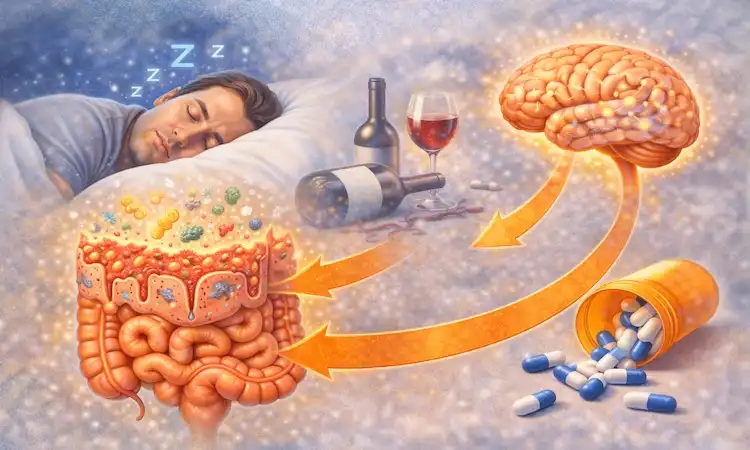
Ever notice how a rough week can hit your stomach and your mindset at the same time? You’re not imagining it. Your gut and brain are in constant contact, sending messages through nerves, hormones, and immune signals. When that conversation gets noisy, you might feel it as bloating, stressy thoughts, low mood, brain fog, or intense cravings.
This post breaks down three hidden gut-brain triggers: sleep, alcohol, and antibiotics. They’re common, they’re often overlooked, and they can change how you feel fast. The tricky part is that they tend to stack. A week of poor sleep, a couple drinks on the weekend, then antibiotics for a sinus infection, and suddenly your digestion and mood feel “off” in a way that’s hard to explain.
This is educational, not a diagnosis. If you have severe symptoms, ongoing diarrhea, blood in stool, panic, or major mood changes, talk with a clinician.
Why your gut and brain react so fast to everyday habits
Your gut isn’t just a food tube. It’s more like a busy neighborhood with trillions of microbes, plus a huge part of your immune system, and a direct phone line to your brain.
When that neighborhood gets out of balance, it’s often called dysbiosis. In plain language, it means the mix of microbes has shifted. You may have fewer helpful species, more irritating ones, or less variety overall. Dysbiosis causes aren’t always dramatic. It can start with a few late nights, travel food, stress, or a medication course that was needed.
The gut-brain link travels through a few main routes:
- The vagus nerve, which carries quick signals between gut and brain (think “instant updates”).
- Inflammation and immune signals, which can make your body feel on edge and more reactive.
- Gut-made chemicals, including short-chain fatty acids (made when microbes break down fiber) and signaling related to serotonin. You don’t need the biochemistry to get the point: what happens in the gut can change how your brain feels.
Sleep research keeps reinforcing that this connection works both ways. If you want a deeper look at how microbes and sleep interact, see this review on microbiota and sleep mechanisms.
One more accelerant: ultra processed foods gut issues can amplify the problem. When most meals are low in fiber and high in additives and refined carbs, microbes have less of what they like to eat. That can mean fewer fiber-loving bacteria and less of the calming byproducts they make.
Common signs that can be related (and also have many other causes) include:
- Bloating, gas, or abdominal discomfort
- Constipation, diarrhea, or “swinging” between both
- Brain fog or trouble focusing
- Anxious feelings or irritability
- Low mood or low motivation
- Strong sugar cravings, especially late day
If any of these are new, intense, or persistent, it’s worth getting checked. Gut symptoms can overlap with many conditions.
The stack effect, when small triggers add up
Imagine a simple chain. You sleep badly for five nights, so your stress runs higher and you reach for quick carbs. Friday hits, you have drinks to “take the edge off.” Sunday night, sleep is lighter and broken. Monday, you start antibiotics for a sinus infection.
None of those choices is automatically a disaster. The stack is the issue. Each trigger nudges the gut-brain system, and combined, they can tip you into a flare: more bloating, looser stools, sharper anxiety, or that wired-but-tired feeling that makes cravings louder.
Stress is the background trigger that makes everything louder
Stress is like turning up the volume on your whole body. The stress gut microbiome connection is real: stress can change how fast food moves through you, alter stomach acid, and shift immune activity. That creates conditions where dysbiosis causes become more likely, especially if sleep and diet are already shaky.
Animal and human research also links stressful events with longer-term microbiome shifts. For context, here’s an open-access paper on stressful events and gut dysbiosis. The takeaway isn’t “stress ruins your gut forever.” It’s that stress makes your system more reactive, so small inputs can feel bigger.
Sleep: the gut-brain reset you cannot replace with supplements
If there’s one habit that quietly runs the show, it’s sleep. People often search for probiotics, enzymes, or “gut calming” teas, while their sleep schedule is shredding their gut rhythms.
Poor sleep gut health shows up through a few pathways. Short or broken sleep can increase inflammation, make the gut barrier less sturdy, and reduce microbial diversity over time. It can also shift hunger hormones, so you feel hungrier, less satisfied, and more drawn to high-sugar or high-fat foods. Those choices then feed back into the microbiome.
Late nights matter too, even if you get “enough hours.” An irregular schedule can push meal timing later, shorten your overnight fasting window, and throw off the gut’s normal daily rhythm. Your gut likes patterns. When eating and sleeping times bounce around, digestion often follows.
Researchers continue to map these links, including the role of microbial byproducts that may affect sleep behavior. If you’re curious, this paper covers how microbes may influence insomnia-like behaviors through metabolic signaling: gut microbiota and insomnia-like behaviors.
Realistic fixes that help without perfection:
- Keep a steady wake time most days, even if bedtime varies a bit.
- Get outdoor light early, even 5 to 10 minutes helps your clock.
- Set a caffeine cutoff that protects your sleep (many people do best stopping by late morning or early afternoon).
- Move dinner earlier when you can, and keep late snacks small.
- Aim for a cooler, darker room, and protect the last 30 minutes from stress scrolls.
How poor sleep can change your microbiome and your mood
This is a two-way loop, and it can feel unfair. Gut discomfort can wake you up, and sleep loss can make gut symptoms worse the next day.
When you’re sleep deprived, your stress response runs hotter. That can make your gut more sensitive, so normal sensations feel painful or urgent. It can also make your brain interpret body signals as threats, which is a fast path to anxious thoughts.
On the flip side, when your gut is irritated, your body may stay in a lighter sleep stage, waking more easily. You might still “sleep” eight hours but wake up feeling un-rested, then chase energy with caffeine and quick carbs, and the loop repeats.
If your main symptom is insomnia plus gut issues, it’s worth discussing with a clinician. Sleep apnea, reflux, thyroid issues, and anxiety disorders can look like “just stress,” and they deserve real care.
A simple 7-day sleep plan that also supports digestion
Try this for one week, not forever. Think of it as resetting a clock, not forcing a perfect routine.
- Pick a consistent wake time you can keep for 7 days.
- Get morning light within 60 minutes of waking (outside if possible).
- Set a caffeine stop time, then stick to it for the week.
- Move your last big meal 3 hours before bed when you can (earlier is fine).
- Do a 10-minute wind-down at the same time each night (dim lights, phone away).
- Add one calming habit: slow breathing or gentle stretching.
If you miss a day, don’t restart. Continue. Your gut and brain respond best to “mostly steady,” not “all or nothing.”
Alcohol: why it can feel calming first, then wreck your gut later
Alcohol can act like a shortcut to relaxation, at least at first. It takes the edge off, loosens social tension, and can even make you sleepy. Then the bill comes due.
From a gut standpoint, alcohol microbiome effects include shifts in which bacteria thrive, more gut irritation, and changes to the gut barrier. When the barrier is irritated, more inflammatory compounds can pass into the bloodstream. People call this “leaky gut,” and while the phrase is often overhyped online, the basic idea is simple: an irritated lining is a less selective filter.
A helpful overview is available in how alcohol affects the microbiome. You don’t need to drink heavily to notice effects, especially if your sleep is already poor or your diet is low in fiber.
Alcohol also worsens sleep quality for many people. You might fall asleep faster, but you tend to get lighter, more fragmented sleep later in the night. That can lead to next-day cravings, more anxiety, and more gut sensitivity, even if you don’t feel “hungover.”
The gut-brain reasons alcohol can spike anxiety the next day
That next-day dread has a real physical base. Alcohol can leave you dehydrated, disrupt blood sugar, and degrade sleep quality. All three can make your body feel unsafe, even when nothing is wrong. Your brain often labels that body alarm as anxiety.
If you wake up with a racing mind, irritability, or brain fog after drinking, it doesn’t mean you’re “weak.” It means your nervous system is responding to a rough internal morning.
There’s also growing interest in how gut changes may interact with reward and cravings. For background, Tufts has a readable summary on microbiome links to alcohol preference.
If you drink, make it gentler on your gut
Some people choose not to drink at all, and that’s a solid option for gut health. If you do drink, “lower risk” usually looks like less often, fewer drinks when you do, and more alcohol-free days.
A few practical moves that help many adults:
- Set a limit before you start, then stop when you hit it.
- Alternate water and alcohol, especially if you’re prone to loose stools.
- Eat a fiber-forward meal earlier (beans, oats, vegetables, berries) to support gut microbes.
- Avoid pairing alcohol with ultra processed foods late at night, that combo often hits digestion hard.
- Choose lower-sugar options when possible, sugary mixers can worsen gut upset.
- Stop 3 hours before bed to protect sleep quality.
- Plan a next-day “recovery base”: protein, plants, and a walk outside.
If alcohol regularly triggers anxiety, sleep problems, or GI symptoms, that’s useful data. Your body is giving you a clear signal.
Antibiotics: how to recover your gut without guessing
Antibiotics can be necessary and life-saving. They can also disrupt gut microbes, because they don’t only hit the target bacteria. Many people notice looser stools, more gas, new food sensitivities, or mood changes during or after a course.
For antibiotics gut recovery, the timeline varies. Some people bounce back in days to weeks. Others take longer, especially after repeated courses, broad-spectrum antibiotics, or if diet and sleep are already strained. Your starting point matters, and so does what you do during recovery.
For a practical, food-based overview, this article explains foods that may help after antibiotics.
If symptoms are severe or getting worse, don’t self-treat at home. Call your clinician. Antibiotic-related diarrhea can sometimes signal infections that need medical care.
What to do during a course, so your gut has a better chance later
Start with the basics, because basics work.
Take antibiotics exactly as directed. Don’t save leftovers for later. Ask your pharmacist about interactions, including antacids, minerals, and alcohol.
Then support your gut with steady inputs:
Hydrate, especially if stools are loose. Prioritize sleep as much as you can, because your immune system and gut barrier do repair work at night.
Add gentle fiber if tolerated, like oats, bananas, cooked carrots, or rice plus cooled potatoes. If you do well with fermented foods, small servings of yogurt or kefir can be reasonable, but don’t force it if it worsens symptoms.
Probiotics are a “maybe.” Some strains help some people, others don’t, and timing matters. If you want to try one, ask a clinician or pharmacist which type fits your situation, and how to space it from your dose.
Get urgent medical advice if you have fever, blood in stool, severe abdominal pain, signs of dehydration, or diarrhea that is intense or persistent.
A 4-week gut rebuild framework after antibiotics
Recovery goes better when you stop guessing and start running a simple plan. Use this as a flexible template, not a rigid rulebook. For a more detailed discussion of antibiotic effects and recovery approaches, see how to recover after antibiotics.
| Week | Focus | What it looks like in real life |
|---|---|---|
| Week 1 | Calm the gut, rebuild routine | Easy-to-digest fiber (oats, cooked veg, berries), steady meals, lots of fluids, earlier bedtime |
| Week 2 | Add variety slowly | Add 1 to 2 new plant foods every few days, rotate breakfast options, aim for color on the plate |
| Week 3 | Feed beneficial microbes | If tolerated, add beans or lentils in small portions, include nuts, seeds, and whole grains |
| Week 4 | Support resilience | Try to reach 20 to 30 different plant foods across the week, add fermented foods slowly if tolerated, reduce alcohol to protect sleep and the gut barrier |
If you have IBS symptoms, a history of antibiotic sensitivity, or ongoing loose stools, you may need a slower pace. That’s still progress. Your gut isn’t a project to rush.
Conclusion
Sleep, alcohol, and antibiotics don’t just affect digestion. They can shift how your brain feels, too. The biggest “aha” for many people is stacking: each trigger might be manageable alone, but together they can push your gut-brain link into a louder, more reactive state.
Pick one small change for 7 days. Keep a short note on 2 to 3 symptoms, like sleep quality, stool regularity, bloating, and anxiety. Patterns show up fast when you track them.
If symptoms keep going, feel intense, or start after antibiotics, talk with a healthcare professional. The gut-brain axis works as a two-way partnership, and slow, steady changes often beat quick, extreme resets.

Gas S. is a health writer who covers metabolic health, longevity science, and functional physiology. He breaks down research into clear, usable takeaways for long-term health and recovery. His work focuses on how the body works, progress tracking, and changes you can stick with. Every article is reviewed independently for accuracy and readability.
- Medical Disclaimer: This content is for education only. It doesn’t diagnose, treat, or replace medical care from a licensed professional. Read our full Medical Disclaimer here.