

If your life feels like one long to-do list, you’re not alone. Work pressure, caregiving, money worries, and poor sleep can pile up until your body starts acting like it’s on permanent alert. One of the first things many people notice is a flattening of sexual desire. Not just “less in the mood,” but a quieter, harder-to-access spark, even with a partner you care about.
A helpful way to picture this is Pregnenolone Steal. It’s a simple model that suggests your body may shift hormone building blocks toward stress hormones (like cortisol) and away from sex hormones when stress stays high for too long. The goal isn’t to scare you. It’s to give you a plain-language explanation that makes your symptoms feel less mysterious.
You’ll learn what the pathway is, why libido often drops during long stress seasons, what clues point to stress as a major driver, and what habits can support recovery.
Pregnenolone Steal in plain English: the hormone “budget” that stress can change
Think of your hormones like a household budget. You have a finite amount of time, energy, and raw materials to “spend” each day. When life is steady, your body can fund lots of projects at once, including reproduction, pleasure, and connection. When life feels unsafe or unpredictable, your body shifts spending toward short-term survival.
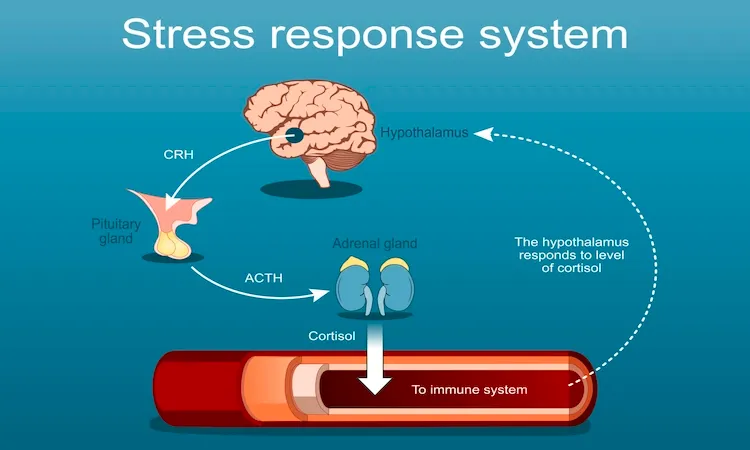
Pregnenolone is one of the early “raw materials” your body uses to make multiple hormones. The idea behind Pregnenolone Steal is that, under chronic stress, the body routes more of those building blocks toward cortisol production, leaving less available for sex hormones like testosterone, estrogen, and progesterone.
It’s also fair to say this concept can be oversimplified. Hormones don’t move in one straight line, and low libido isn’t always explained by a single pathway. Still, the model is useful because it captures something real: long-term stress can change hormone signaling and nervous system function in ways that make desire harder to access.
If you want a longer, consumer-friendly explanation of the concept, see this overview of the pregnenolone steal idea, then come back here for practical, grounded next steps.
From cholesterol to pregnenolone to cortisol, estrogen, and testosterone: a quick roadmap
Here’s the simple version of the hormone precursor pathway.
Your body uses cholesterol as a basic building block. From there, it creates pregnenolone. Pregnenolone can then be converted down different “branches,” including:
- Cortisol, a major stress hormone
- Progesterone, important for cycles, pregnancy support, and brain effects
- DHEA, a hormone that can convert into sex hormones
- Testosterone and estrogen, which influence libido, arousal, mood, energy, and more
Cortisol isn’t the villain. It helps you wake up, keep blood sugar steady, respond to challenges, and mobilize energy. In an emergency, cortisol is like the helpful friend who shows up with a flashlight, jumper cables, and a plan.
The problem is when the emergency response becomes your normal.
Why your body prioritizes cortisol during chronic stress
Chronic stress trains your body to stay “on.” That can come from emotional strain, deadlines, conflict, grief, financial pressure, chronic illness, intense training, or even social media doomscrolling before bed. Poor sleep and under-eating add fuel to the same fire because your brain reads both as threat signals.
In that state, your body prioritizes what keeps you upright today: stable energy, vigilance, and fast reactions. Libido often drops because it’s not essential for short-term survival. Your system starts choosing “get through the day” over “seek pleasure and connection.”
Two myths are worth clearing up:
- It’s not all in your head. Thoughts matter, but so do nervous system state, sleep debt, and hormone signaling.
- It’s not always fixed by more testosterone. Desire is affected by relationship context, stress load, blood flow, mood, medication effects, and how safe your body feels.
This is the heart of “adrenal vs sex hormones” as a practical concept. When stress is high, your body tends to lean into stress chemistry and downshift reproductive signals.
How chronic stress lowers libido, even when labs look “normal”
Many people go looking for a single lab result that explains everything. Sometimes labs do show low testosterone, low estrogen, thyroid issues, or iron deficiency. But it’s also common to have results that look “fine” on paper while you still feel flat, tired, and uninterested in sex.
That’s because libido is built from layers, not one number. Your brain has to register safety and interest. Your nervous system has to shift out of fight-or-flight. Blood flow has to cooperate. Sleep has to support appetite, mood, and energy. And your relationship has to have enough emotional space that intimacy doesn’t feel like another task.
Stress can press on every layer at once.
For a broad medical overview of common contributors, including stress and mood, Cleveland Clinic’s guide to low libido causes and treatment is a helpful starting point.
Your nervous system sets the mood: fight-or-flight vs rest-and-connection
Sex usually works best in a “safe and present” state. That’s your parasympathetic nervous system, the part that supports rest, digestion, bonding, and arousal. Chronic stress pushes you toward the opposite setting: fight-or-flight.
In fight-or-flight, your body is preparing to act, not to melt into sensation. Touch can feel distracting instead of pleasurable. Your mind may race. You might notice less natural lubrication, more discomfort, or erections that are less reliable. Orgasm can feel farther away, or less satisfying, because your attention keeps snapping back to worries.
This is where Pregnenolone Steal can be a useful mental model again. When stress stays high, your body leans toward cortisol and alertness, and away from the hormonal and nervous system signals that support reproduction and pleasure.
Research also supports the stress-sex link. For a deeper look at mechanisms studied in women, including cortisol and arousal, see chronic stress and sexual function in women.
Sleep loss, blood sugar swings, and inflammation can quietly push libido down
Sleep is one of the fastest ways stress shows up in the bedroom. When you’re short on sleep, morning energy drops, cravings rise, mood gets thinner, and your body often runs “hotter” with stress chemistry. Even if you want intimacy emotionally, your body may not have the fuel.
Blood sugar swings can add another layer. Skipping meals, crash dieting, or relying on caffeine until mid-afternoon can create a jittery, anxious feeling that looks like “stress,” because your body experiences it as stress. You might feel wired, then suddenly tired, then snacky, then irritable. That roller coaster is not a great setup for desire.
Inflammation matters too. Chronic illness, pain, and ongoing infections are stressors. They can affect energy, mood, body image, and hormone signaling. Even when inflammation is mild, it can subtly reduce interest in sex by raising fatigue and lowering resilience.
If you want a clear, accessible read on the emotional side, Verywell Mind explains how stress can cause low libido without turning it into a blame story.
Clues it might be stress and not “you”: symptoms and simple self-checks
When libido drops, it’s easy to make it personal. People often jump to “What’s wrong with me?” or “What’s wrong with my relationship?” Sometimes relationship issues are real, but chronic stress can mimic many other problems.
A useful self-check is pattern tracking for two weeks. Note your sleep hours, caffeine, alcohol, meals, movement, mood, and the moments you feel most relaxed. Then ask one simple question: do you ever feel desire on days you feel rested and safe, even a little? If yes, stress load may be a major driver.
Also remember that “low libido causes stress” can run both directions. Low desire can create tension, worry, and avoidance, which then adds more stress. That loop is common, and it’s fixable.
Common signs of high stress hormone load that show up in the bedroom
People experience stress biology differently, but these clues often travel together:
- Feeling wired but tired, or needing caffeine to feel normal
- Trouble falling asleep, or waking around 3 a.m. and ruminating
- More cravings for sugar, salty snacks, or alcohol to “take the edge off”
- Irritability, low motivation, anxious thoughts, or feeling emotionally flat
- Lower libido, less genital sensitivity, or slower arousal
- Changes in orgasm (harder to reach, or less pleasurable)
- More PMS symptoms, cycle changes, or worse mood shifts across the month
- Erectile issues, reduced morning erections, or performance anxiety
Life stage changes can amplify this, including postpartum recovery, perimenopause, aging, grief, and periods of intense training.
Stress can also raise worries about stress induced infertility. If you’re trying to conceive and stress feels constant, it’s worth discussing both lifestyle support and medical evaluation with a clinician, rather than carrying it alone.
When low libido deserves a medical checkup
Stress is common, but it shouldn’t become a catch-all explanation. Get medical support if you notice:
- A sudden, severe change in desire that doesn’t ease
- Pain with sex, bleeding, or recurring infections
- Persistent erectile dysfunction that is new for you
- Signs of depression, panic, or feeling hopeless
- Infertility worries, very irregular cycles, or hot flashes with sleep disruption
- Major fatigue that doesn’t improve with rest
- Use of medications known to affect libido (SSRIs, hormonal birth control, opioids)
You can ask about thyroid labs, iron and ferritin, B12, vitamin D, A1C, and sex hormone testing when appropriate. It can also be worth screening for sleep apnea if you snore or wake unrefreshed.
Balancing hormones naturally: steps that support libido by lowering the stress load
If you’re looking up “increasing pregnenolone naturally,” the most reliable path is boring in the best way: support the basics that help your body make and regulate hormones. That includes sleep, steady meals, movement, and daily downshifts that tell your nervous system it’s safe.
This matters because libido isn’t just a mood. It’s a whole-body signal. When your body has enough rest and fuel, it’s more willing to invest in pleasure.
The big 4 that move the needle: sleep, steady meals, movement, and decompression
Start with changes that feel doable, not perfect.
Sleep: Pick a consistent sleep window most nights. Get outdoor light in the morning if you can. Set a caffeine cutoff (many people do best stopping after late morning). Keep the room cool and dark.
Food: Eat within a couple hours of waking if mornings are stressful for you. Aim for protein at breakfast, then balanced meals with carbs, fat, and fiber so you’re not running on adrenaline. Hydrate earlier in the day, not only at night.
Movement: Do a mix of strength work and easy cardio. A few short strength sessions per week can support mood and confidence. Daily walks help lower stress activation without pushing your body harder.
Decompression: Take 5 to 10 minutes a day to downshift on purpose. Slow breathing, a warm shower, stretching, prayer, journaling, or sitting outside all count. The point is to practice “off,” not just collapse at the end of the day.
For readers who want a male-focused perspective on stress and performance, Obsidian Mens Health has a clear explainer on stress and sexual performance.
Support desire with connection and smarter stress boundaries
Libido often returns when pressure drops. That includes pressure you put on yourself, and pressure you feel from the pace of life.
Try making intimacy feel lighter for a while. Schedule time that’s about closeness, not outcomes. A massage, showering together, kissing, or cuddling can rebuild safety and pleasure without the “we have to have sex” weight.
Stress boundaries matter just as much:
- Protect a small daily block of quiet time, even 15 minutes.
- Say no to one draining commitment this month.
- Reduce multitasking during connection, put the phone in another room.
- Create a simple pre-bed off-ramp, dim lights, stretch, read, or talk.
Therapy can help too, especially if stress is tied to anxiety, trauma, resentment, or burnout. Couples counseling and sex therapy can be practical, skills-based support, not a last resort.
A quick word on supplements: magnesium, omega-3s, and some adaptogens are often discussed for stress support, but quality varies and interactions are real. Avoid many herbs if you’re pregnant or trying to conceive unless your clinician approves.
Pregnenolone supplements are also sold over the counter in the US. Some people report benefits, others notice side effects like sleep changes, anxiety, acne, or mood shifts. Because pregnenolone sits upstream in hormone pathways, it’s worth discussing with a clinician, especially if you have hormone-sensitive conditions or take other hormones.
Conclusion
Pregnenolone Steal is a simple way to picture what chronic stress can do: it nudges your body toward cortisol and survival mode, and away from the signals that support sex hormones, arousal, and desire. Libido isn’t a character flaw, it’s feedback. When your system doesn’t feel safe, it often powers down pleasure first.
Over the next 2 weeks, pick one sleep habit, one food habit, and one stress habit, then stick with them until they feel natural. Keep notes on what shifts, even small wins matter. If your symptoms feel intense, don’t go away, or show up with pain, mood changes, fertility worries, or a cortisol lab result that seems off, get medical help and keep pushing for clear answers.

Gas S. is a health writer who covers metabolic health, longevity science, and functional physiology. He breaks down research into clear, usable takeaways for long-term health and recovery. His work focuses on how the body works, progress tracking, and changes you can stick with. Every article is reviewed independently for accuracy and readability.
- Medical Disclaimer: This content is for education only. It doesn’t diagnose, treat, or replace medical care from a licensed professional. Read our full Medical Disclaimer here.