

Your alarm goes off, you open one eye, and it feels like someone swapped your brain for wet sand. You slept “enough,” but you’re still waking up exhausted. Coffee sounds like the only lifeline, and the day hasn’t even started.
One possible reason is the Cortisol Awakening Response (CAR), your body’s normal morning “start-up signal.” Cortisol rises soon after you wake, helping you feel alert, steady, and ready to move. When that rise is too low (blunted) you can feel groggy and flat. When it’s too strong or poorly timed, you might wake up anxious, shaky, or wired.
This article explains what CAR is in plain English, why it gets off track, how to spot patterns without spiraling, and practical steps that can support a healthier morning rhythm over the next few weeks.
The Cortisol Awakening Response, explained in plain English
Cortisol is a hormone your body makes to help you function. It’s involved in alertness, blood sugar balance, blood pressure, and how your body responds to stress. It’s not “bad.” Think of it like electricity. Useful when it turns on at the right time, annoying when it flickers at the wrong time.
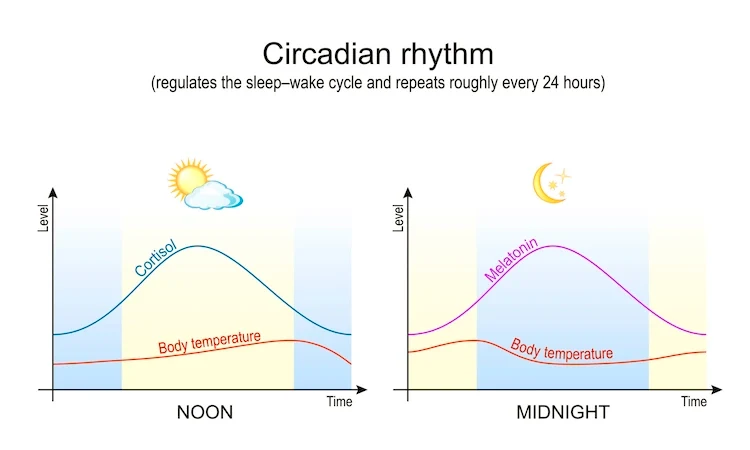
The Cortisol Awakening Response is a normal rise in cortisol that happens during the first 30 to 60 minutes after waking. This is separate from your overall daily cortisol pattern. Your body is basically flipping from sleep mode to daytime mode, and cortisol is one of the signals that helps make that switch smooth.
This is where the morning cortisol spike importance shows up in real life. A well-timed rise can support:
- clearer thinking and faster “mental warm-up”
- steadier mood in the first part of the day
- more stable energy, instead of a slow crawl to lunchtime
- better tolerance for normal morning demands (commute, kids, meetings)
CAR is closely tied to your circadian rhythm, your internal clock that helps coordinate sleep, hormones, hunger, and body temperature. Light is one of the strongest cues. Morning light tells your brain, “It’s day,” which supports the timing of cortisol and other signals. Night light does the opposite.
It also helps to separate CAR from the idea of “high cortisol all day.” Some people have a rough morning because the rise after waking is off. Others feel tired because sleep quality is poor, or because something else is going on medically. CAR is one piece of the puzzle, not the whole picture. For a deeper scientific explanation, see the Endocrine Society’s review on the Cortisol Awakening Response.
What a healthy morning cortisol rise tends to feel like
Most people don’t feel amazing the second they wake up. A healthier CAR tends to feel like you “come online” within about an hour.
You may notice you can think more clearly, your mood steadies, and your body feels less heavy. Hunger cues also feel more normal, not extreme (ravenous or nauseated). You can still enjoy coffee, but you don’t feel like you need it just to form sentences.
Normal varies a lot. One rough morning after a late night doesn’t mean anything is broken. What matters is the pattern.
When CAR is off, the day can start with a crash
When CAR timing or intensity is off, mornings can feel like stepping onto a moving treadmill. You’re upright, but your body isn’t cooperating.
Common experiences include blunted CAR symptoms like persistent grogginess, brain fog, dizziness when you stand, or feeling weak and slow. Some people get nausea, low appetite, or a shaky “I need something now” feeling that improves after food.
Others have the opposite problem: they wake with a jolt. Heart racing, tense body, busy mind. That can happen when the surge is too strong, or when you’re already under pressure and your system hits the gas hard.
Either way, the result is often the same: an energy crash morning around mid-morning, followed by chasing energy with caffeine, sugar, or sheer willpower. Research reviews discuss how CAR relates to regulation and function across health contexts, summarized in sources like PubMed’s CAR regulation review.
Why you might wake up tired, common causes that disrupt CAR
CAR doesn’t usually break for one dramatic reason. More often, it gets nudged off track by small, everyday stressors that stack up. Think of it like a band trying to start a song. If the drummer is late (sleep debt), the lights are wrong (screen time), and the stage is chaotic (stress), the opening is messy.
Here are the most common drivers.
Sleep debt and irregular schedules confuse your internal clock
Your circadian rhythm likes consistency. If bedtime and wake time bounce around, your morning cortisol pattern can shift too. You might wake before you’re truly ready to be alert, or wake after your internal clock already tried to start the day.
This often happens with “social jet lag,” sleeping in on weekends, then forcing an early Monday. Shift work and jet lag can do the same thing, just more intensely.
Even if your schedule is stable, fragmented sleep can still cause problems. Hitting snooze repeatedly, waking up several times, or waking too early and dozing lightly can leave you feeling like the day never truly starts. You got hours in bed, but the quality and timing didn’t support a clean morning ramp-up.
Chronic stress can flatten your morning response over time
Stress isn’t only a bad boss or a scary event. It’s also caregiving, financial pressure, constant notifications, and never having a true off switch. Over time, that load can change how your stress system behaves, including how your morning alertness signal shows up.
A common pattern looks like this: you wake already behind, you rush, you don’t eat, you rely on caffeine, and you stay tense until bedtime. Then you fall asleep late, wake tired, and repeat. CAR can be affected by anticipated stress too, like waking up to a day you’re dreading.
There’s also overlap with mood and mental health. CAR differences have been studied in depression, although it’s not a simple cause-and-effect story. If you want a research summary, this review on CAR and major depression evidence explains what’s known and what’s still debated.
Light, screens, and late nights can delay your morning ramp up
Your body clock is set by light. Morning light tells your brain it’s daytime. Bright light at night (especially overhead LEDs and phone screens close to your face) pushes your rhythm later.
If you scroll in bed, fall asleep with the TV on, or keep lights blazing until midnight, your “morning settings” may be delayed. Then you wake early for work while your body still thinks it’s night.
Winter can make this worse. Dark mornings, blackout curtains, and never stepping outside early can reduce strong daytime cues. A circadian rhythm reset often starts with light timing, not supplements or extreme hacks.
Blood sugar swings can make mornings feel weak or shaky
Some morning exhaustion feels more like low fuel than low sleep. Blood sugar changes overnight can affect sleep depth and early-morning awakenings, which can feed right into how you feel at wake-up.
Skipping dinner after a long day, drinking alcohol, or having a big sugary snack late can all set you up for a rough night. You might wake at 3:00 a.m. and struggle to fall back asleep, or wake feeling sweaty, anxious, or shaky.
When your body senses low or unstable fuel, it can respond with stress signals to keep blood sugar steady. That can feel like nervous energy without real energy. You’re tired, but your body is buzzing.
Caffeine, alcohol, and hard training can change the way mornings feel
Caffeine helps, until it backfires. Afternoon coffee can push bedtime later and reduce sleep quality, even if you fall asleep “fine.” Then CAR has to try to do its job on top of poor recovery.
Alcohol is similar. It can make you sleepy at first, but it often disrupts sleep later in the night. Many people wake up tired after eight hours because the body didn’t get the same restorative sleep.
Training load matters too. Hard workouts are stress your body adapts to, but only with enough recovery. If you stack intense training, short sleep, and work stress, it’s common to wake tired and sore, even on days you technically slept long enough. Research in athletes shows stress can blunt CAR, discussed in studies like Frontiers on CAR blunting in rowers.
How to tell if CAR might be the issue, without overthinking it
The trap is trying to diagnose yourself from one bad morning. CAR patterns are about trends. If you’ve had two rough weeks and you can’t remember the last time you woke up feeling decent, that’s more useful data than a single miserable Monday.
Start with a simple question: do you feel meaningfully better about 45 to 60 minutes after waking, or do you stay stuck in fog for hours? A CAR issue is more likely when the “wake-up ramp” is consistently broken, not just when life is busy.
It also helps to remember that many issues can mimic CAR problems, including sleep apnea, insomnia, anemia, thyroid disease, depression, medication effects, and blood sugar problems. CAR can be part of the story, but it shouldn’t be the only story.
Testing exists, but it’s optional. CAR is often measured using multiple saliva samples right after waking (for example at waking, then 30 minutes later, sometimes again). If you explore this, it’s best done with a clinician who can interpret results in context. A basic description of sampling as a clinical tool is outlined on pages like Doctors Data’s CAR saliva test.
A quick 2 week tracking plan that gives you real clues
Use a notes app and track for 14 days. Keep it simple:
- Wake time and bedtime
- Estimated sleep quality (poor, okay, good)
- First light exposure time (outside, window only, none)
- Caffeine timing (first cup time, total cups)
- Morning energy 0 to 10 at wake, and again at 60 minutes
- Any energy crash morning (time and severity)
- Alcohol (none, 1 to 2 drinks, more)
- Workout (type, intensity, time)
- Stress level (low, medium, high)
At the end, look for patterns, not perfection. Many people see clear links to late nights, weekend sleep-ins, late caffeine, alcohol, or zero morning light.
When to talk to a professional and what “biomarkers” can mean
If symptoms are intense, persistent, or scary, get help. Red flags include loud snoring or gasping (possible sleep apnea), severe insomnia, fainting, major unexplained weight change, persistent low mood, strong thyroid symptoms, pregnancy or postpartum concerns, and steroid medication use.
If a clinician orders testing, “adrenal health biomarkers” can mean several things, not just cortisol. Depending on symptoms, they might look at thyroid labs, iron and ferritin, B12, glucose markers, inflammation, and sometimes cortisol patterns.
Be cautious with internet labels like “adrenal fatigue.” Many people are truly exhausted, but that phrase can push you toward panic and expensive protocols. A better approach is to focus on measurable basics and rule out medical causes.
Simple steps that support a healthier morning cortisol rhythm
If mornings are rough, aim for a two to four week experiment. You’re trying to give your body clearer signals: consistent timing, strong light cues, steadier fuel, and less late-night interference. Small changes can add up fast when they target the same system.
Reset your circadian rhythm with light, timing, and a steady wake-up
Pick a wake time you can keep most days, including weekends (within about an hour). This is the anchor. A steady wake-up time often helps more than chasing an early bedtime you can’t maintain.
Within 30 minutes of waking, get bright light. The best option is outdoor light, even on cloudy days. If you can’t go outside, stand near a bright window while you drink water or get dressed.
At night, make the opposite move. Dim lights two hours before bed, reduce overhead brightness, and keep your phone farther from your face. Keep the room cool and dark. Avoid long sleep-ins that feel good in the moment but drag Monday mornings back into chaos.
If your schedule is currently all over the place, shift gradually. Move bedtime and wake time by 15 to 30 minutes every few days, not all at once.
Build a calmer morning routine that improves energy without more caffeine
If you wake up tired, it’s tempting to hit caffeine immediately. For some people, delaying caffeine 60 to 90 minutes supports a smoother natural ramp-up, especially if anxiety is part of the picture. If that feels impossible, start by delaying just 15 minutes and build from there.
A solid morning routine doesn’t need to be long. Aim for a few basics:
Hydrate first. Your body loses water overnight, and mild dehydration can feel like fatigue. Add breakfast if it helps, especially protein-forward if you tend to feel shaky or crash later. Add gentle movement, like a short walk, light stretching, or a few minutes of mobility.
If stress is high, add a five-minute downshift. Slow breathing, a quick journal brain-dump, or a calm playlist can signal safety to your nervous system.
If you have zero time, do the “minimum effective morning”: step into outdoor light or a bright window for one minute, drink water, then do two minutes of easy stretching. It sounds small because it is small, and it can still help when done consistently.
Conclusion
The Cortisol Awakening Response is your body’s normal morning rise in cortisol, meant to help you wake up, focus, and feel steady. When it’s blunted or poorly timed, it can show up as waking up exhausted, jittery mornings, or a mid-morning crash that pushes you toward caffeine and sugar.
The good news is that CAR is often sensitive to basics: sleep timing, morning light, nighttime screens, stress load, blood sugar swings, alcohol, and recovery from training. Pick two changes, run them for two weeks, and track what shifts.
If your symptoms feel intense, don’t go away, or come with red flags like loud snoring, fainting, or big mood shifts, reach out to a clinician. They may suggest a sleep check or a cortisol lab test, depending on what’s going on. Better mornings are possible, and a steady routine is usually the quickest way to get there.

Gas S. is a health writer who covers metabolic health, longevity science, and functional physiology. He breaks down research into clear, usable takeaways for long-term health and recovery. His work focuses on how the body works, progress tracking, and changes you can stick with. Every article is reviewed independently for accuracy and readability.
- Medical Disclaimer: This content is for education only. It doesn’t diagnose, treat, or replace medical care from a licensed professional. Read our full Medical Disclaimer here.