

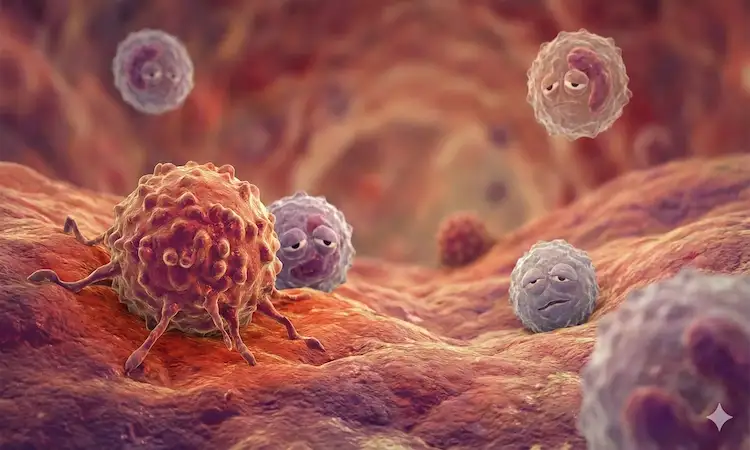
Ever feel like your body is carrying a low hum of “not quite well,” even when you aren’t truly sick? You might blame age, a busy schedule, or poor sleep, but there’s another possibility worth understanding: inflammaging.
Inflammaging is long-term, low-level inflammation that tends to rise with age. In plain terms, it can look like your immune system staying partly switched on, while getting worse at smart defense. That mix can make you feel worn down, achy, foggy, or slow to bounce back, and the signs can be subtle enough to seem like normal aging.
Symptoms can have many causes, and no single sign proves anything. The goal here is to help you spot patterns and know what to ask your clinician. It also helps to think in terms of an Epigenetics Lifestyle, meaning daily habits that can nudge gene activity up or down over time.
What inflammaging is, and why your immune system starts acting older
Inflammation isn’t the enemy. It’s the body’s short-term “repair crew.” You sprain an ankle, catch a virus, or get a cut, and inflammation helps clear damage, fight germs, and start healing.
Trouble starts when the repair crew never fully clocks out.
With age, many people develop a steady, low-grade “smoldering” inflammation that doesn’t reach the dramatic level of a true infection, but also doesn’t fully shut off. A helpful way to think about it is a smoke alarm that keeps chirping. It’s not blaring, but the constant noise still wears you down, and it makes it harder to notice a real emergency.
This ties closely to immune aging, also called immunosenescence. Here’s immune senescence explained without the jargon: over time, you tend to make fewer “fresh” immune cells, your response is slower, and the system has more misfires (more inflammation when you don’t need it, and less precision when you do). Reviews describing how immune aging and inflammaging feed each other are summarized in sources like Immune Aging, Immunosenescence, and Inflammaging.
Recent population research discussed in early 2025 also suggests inflammaging isn’t identical everywhere. In some industrialized settings, inflammatory signals rise more with age, while in some non-industrialized groups, inflammation may stay steadier and be driven more by infections than aging itself. That’s a useful reminder that lifestyle, environment, and ongoing exposures can matter.
Common drivers that push the body toward chronic inflammation include poor sleep, long-term stress, belly fat, high-sugar diets, smoking, heavy alcohol use, low activity, and ongoing infections (including gum disease). Lab markers such as hs-CRP can reflect this background inflammation, but symptoms and context matter too.
Inflammation vs. infection: why you can feel worn down without being sick
Acute inflammation is loud and short. Think a sprained ankle that swells, or a stomach bug that knocks you out for two days. Chronic low-grade inflammation is quieter. It can linger for months or years, and it doesn’t always come with fever, chills, or a clear “I’m sick” moment.
Everyday examples often look like:
- Feeling tired even after a normal day, and sleep doesn’t fix it.
- Mild joint or muscle aches that come and go, without a clear injury.
- Brain fog that shows up in the afternoon, even when you’re eating and sleeping “okay.”
If you develop new, severe, or fast-worsening symptoms, don’t try to self-label it as inflammaging. Get medical care, especially if you have chest pain, trouble breathing, or a high fever.
The stress link: cortisol and aging connection in plain English
Stress isn’t only emotional. It’s also workload, caregiving, financial worry, grief, and poor sleep stacking up. Cortisol is one of your main stress hormones. In short bursts, it’s useful, it helps you wake up, focus, and respond to threats. With constant stress, the system can drift out of rhythm, which can disrupt sleep, blood sugar, appetite cues, and immune balance. Over time, that can add to inflammation, which is part of the cortisol and aging connection many people feel in real life.
Two signs people often notice:
- You feel tired all day, then wired at night.
- You crash mid-afternoon, then crave sugar or snacks, and belly weight is easier to gain.
For more context on how stress and inflammation relate over time, see Stress, Inflammation and Aging.
Inflammaging symptoms: the common clues people miss
Inflammaging rarely announces itself with one dramatic symptom. It’s more like a “stack” of mild issues that hang around, flare up, calm down, then return. People often dismiss the pattern because each piece seems small on its own.
It also helps to remember that chronic inflammation can show up in different body systems at once. You might notice sleep changes plus aches, or gut changes plus skin flare-ups. That clustering is often what gets missed.
These chronic inflammation symptoms are not proof of inflammaging. They’re simply reasons to look deeper, especially when they’re persistent, out of proportion to your day, or getting slowly worse.
Some symptoms are less typical for low-grade inflammaging and need prompt evaluation: unexplained weight loss, chest pain, blood in stool, high fever, or severe shortness of breath. Those can signal conditions that shouldn’t wait.
A 2025 review also highlights that skin can reflect body-wide inflammatory shifts, which is one reason some people see new or worsening flare-ups as they age. If you want a deeper clinical discussion, the review Inflammaging: triggers, molecular mechanisms, immunological consequences, sex differences, and cutaneous manifestations gives a sense of how broad the effects can be.
Body-wide signs: tiredness, aches, slower recovery, and frequent “almost sick” days
One of the most common complaints is fatigue that doesn’t match your effort. You do the same workout, yard work, or errands you used to do, and it wipes you out longer than expected. Some people describe it as “my battery doesn’t hold a charge.”
Aches can also shift. You might feel muscle soreness after normal activity, joint stiffness in the morning that takes longer to loosen, or headaches that show up more often. Recovery time matters here. If you’re still sore two or three days after a basic workout, that’s a useful data point.
Immune aging can also show up as more frequent “almost sick” days. You aren’t fully down with the flu, but minor colds linger, a cough hangs on, or you feel run down after infections that used to pass quickly. Slow wound healing can fit this picture too, not as a diagnosis, but as a sign your repair system may be less efficient than it was.
Brain, mood, and gut clues: brain fog, low mood, and digestive changes
Inflammation can affect the brain and gut in ways that feel personal, not medical. Brain fog may look like slower word-finding, poor focus, or a short fuse in the late day. Sleep can become lighter and more broken, which then feeds the cycle.
Mood can shift too. Irritability and low mood sometimes track with poor sleep and higher inflammation, even in people who’ve never struggled with depression. This is another place where patterns matter more than one bad week.
Digestive changes are also common. Bloating after meals, constipation, loose stools, or more “sensitive stomach” days can signal a gut that’s irritated or out of balance. It doesn’t mean something is seriously wrong, but it’s worth tracking.
Skin can be a visible clue. Eczema, acne, rosacea, and unexplained rashes can flare when the immune system is more reactive. If skin changes are sudden, severe, or come with swelling of the lips or eyes, treat that as urgent.
How to check your inflammation load (without guessing)
If you suspect inflammaging, the best next step isn’t a supplement stack. It’s getting clearer information.
Start with three layers: track symptoms, talk with a clinician, and consider basic labs based on your history. A clinician may discuss markers like hs-CRP, which can reflect inflammation in the body. The Mayo Clinic’s CRP test overview explains how CRP rises with inflammation and why it’s not specific to one disease.
It also helps to understand High hs-CRP causes so you don’t over-interpret one number. hs-CRP can rise from a recent infection, injury, hard workout, or dental work. It can also rise with gum disease, excess body fat (especially belly fat), smoking, uncontrolled blood sugar, and autoimmune disease. That’s why many clinicians repeat hs-CRP at least once (often about two weeks apart) when they’re trying to understand baseline inflammation.
Depending on symptoms, your clinician may also look at other common checks such as lipids, A1C, CBC, ferritin, and thyroid tests. The point is to rule out other causes of fatigue, aches, or brain fog, and to see if inflammation is part of the story. For a clinical overview of interpretation, C-Reactive Protein: Clinical Relevance and Interpretation is a solid reference.
One more practical note: medications and supplements can shift labs. NSAIDs, statins, steroids, and even high-dose biotin can change results or confuse interpretation. Be direct about what you take, including “natural” products, so your clinician isn’t guessing.
A simple 2-week symptom and habit log that makes doctor visits easier
A short log can turn a vague complaint into a useful clinical picture. Keep it simple enough that you’ll actually do it.
Each day, jot:
- Energy (1 to 10) and a one-line note (what drained you, what helped).
- Sleep (hours, quality, wake-ups).
- Stress level (1 to 10).
- Movement (steps or minutes).
- Alcohol (none, 1 drink, 2+).
- Ultra-processed foods (low, medium, high).
- Gut symptoms (bloating, constipation, loose stools).
- Pain points (where, how bad, what triggered it).
- Any infections or flare triggers (colds, allergies, intense workouts).
If you track wearables, add morning resting heart rate. A sustained bump can be a clue your body’s under strain.
When “cytokine storm symptoms” matter, and when they don’t
Cytokine storms are rare and acute. They are not the same as inflammaging. Inflammaging is usually low-grade and long-term.
Cytokine storm symptoms that need urgent care include high fever, confusion, trouble breathing, bluish lips, severe chest pain, fainting, or signs of low oxygen. If those show up, treat it as an emergency, not a self-check moment.
A realistic anti-inflammatory daily routine that supports immunity as you age
If inflammaging is the smoke alarm chirping, your goal is to lower the background “smoke,” not to tape the alarm to the ceiling. A realistic anti-inflammatory daily routine focuses on the basics that consistently affect inflammation: sleep, movement, strength, food quality, stress downshifts, and oral health.
This is also where the idea of an Epigenetics Lifestyle becomes practical. Small choices, repeated daily, can change your body’s tone over time. You don’t need perfection, you need repetition.
Oral health deserves a call-out. Gum inflammation is common, often painless, and strongly tied to whole-body inflammation. If you bleed when you brush or floss, that’s not “normal,” it’s information.
A simple start-small plan:
- Easy tier (10 minutes): 10-minute walk after one meal, plus a consistent wake time.
- Medium tier (20 to 30 minutes): 20-minute brisk walk most days, plus 2 short strength sessions weekly.
- Strong tier (40 minutes): Daily walk plus structured strength training 2 to 3 days a week, and a planned wind-down routine at night.
For readers interested in how lifestyle patterns can influence gene activity and health, Epigenetic modulation by life–style gives a research-focused view without turning it into a trend.
Food and movement basics that calm inflammation without extreme rules
Start with what you can build, not what you have to ban. Many people do well when they build meals around fiber, protein, and healthy fats.
Fiber could be beans, lentils, veggies, berries, oats, or whole grains. Protein could be fish, chicken, tofu, eggs, or Greek yogurt. Healthy fats could be olive oil, nuts, seeds, or avocado. This mix supports steadier blood sugar, and that often helps energy and cravings.
Then reduce the obvious drivers: sugary drinks and ultra-processed snacks. You don’t have to quit them forever, but cutting frequency usually helps.
Movement matters because it trains your immune system to be calmer at baseline. Brisk walking is underrated. Add short mobility breaks during the day, and aim for strength work about two days a week (body weight counts). Belly fat is strongly tied to inflammation, so consistency beats intensity.
Sleep, stress, and social connection: the overlooked immune supports
Sleep is where your immune system resets. A simple plan works better than a fancy one: keep the same wake time most days, dim lights in the last hour, keep the bedroom cool and dark, and set a caffeine cutoff that fits your body (often early afternoon).
For stress, use tools you can repeat when life is busy:
- Two minutes of slow breathing (longer exhales).
- A short outdoor light break, even on cloudy days.
- Write a quick worry list, then circle one next step.
Connection counts too. Regular time with supportive people, volunteering, faith communities, or hobby groups can protect health in ways that don’t show up on a supplement label. This support also helps regulate stress, tying back to the cortisol and aging connection.
Conclusion
Inflammaging can feel like “normal aging,” but patterns of chronic inflammation symptoms plus lifestyle factors can be a clue that your immune system is aging faster than you’d like. The goal isn’t to diagnose yourself at home, it’s to notice what’s persistent, what clusters together, and what improves when you support recovery.
Choose one or two simple habits to change over the next 14 days. Keep notes on your symptoms each day, then bring that log to your clinician if you’re still worried. If it makes sense for you, ask about tests like hs-CRP and what could be raising it in your body.
Getting older is part of life, but living with constant inflammation doesn’t have to be. Start with small steps, stick with them, and build daily habits that support immune health and bio longevity over time.

Gas S. is a health writer who covers metabolic health, longevity science, and functional physiology. He breaks down research into clear, usable takeaways for long-term health and recovery. His work focuses on how the body works, progress tracking, and changes you can stick with. Every article is reviewed independently for accuracy and readability.
- Medical Disclaimer: This content is for education only. It doesn’t diagnose, treat, or replace medical care from a licensed professional. Read our full Medical Disclaimer here.