

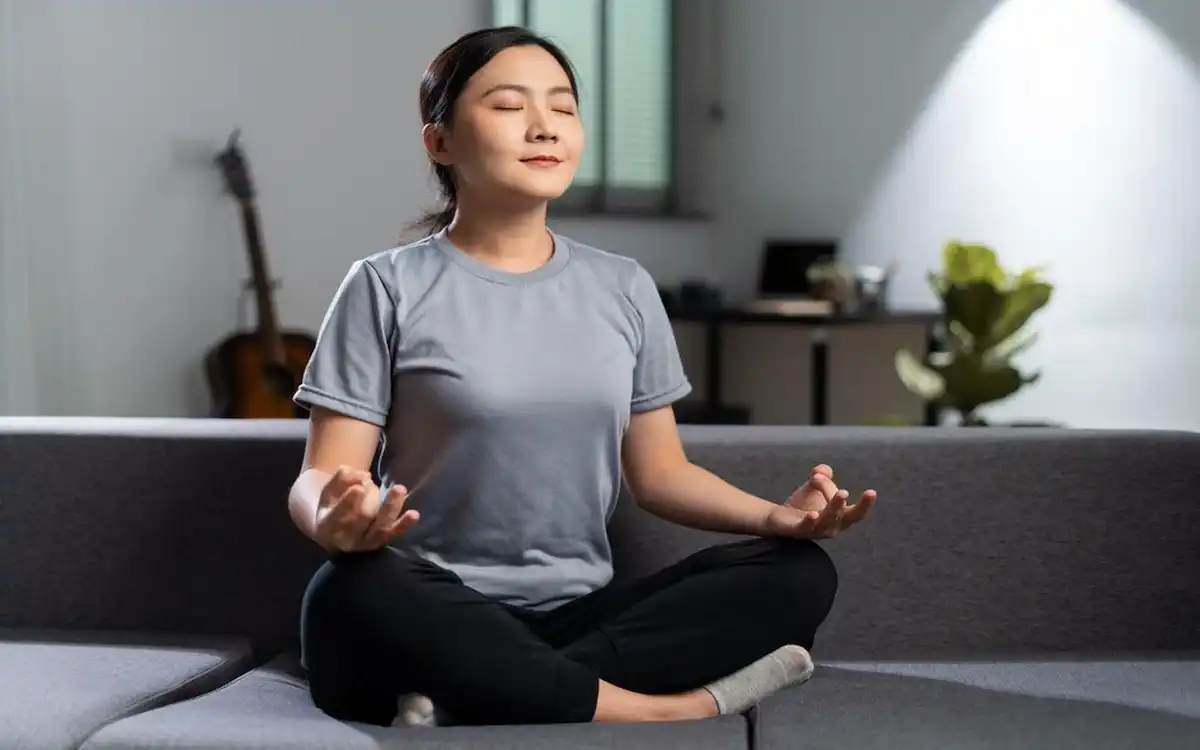
In our fast-paced world, stress and anxiety are becoming more common problems that affect millions of people around the world. These feelings, like stress at work or problems in personal life, can be too much for the mind and body to handle, which can guide to a number of mental and physical health problems. Because of this, many people are trying different methods to deal with their stress and anxiety. One practice that has gotten a lot of attention is meditation.
Understanding Stress And Anxiety
Stress is the body’s normal response to situations that are hard or demanding. Outside things like stress can bring it on at work, worries about money, or problems in personal relationships. Short-term stress can push people to get things done and meet deadlines, but long-term stress can be harmful for your health and cause issues like heart disease, high blood pressure, and a weak immune system.
Anxiety is a feeling of having too much worry, fear, or nervousness, and it usually doesn’t have a clear cause. It can show up as long-lasting unease or fear about what will happen in the future. Anxiety can be too much to handle and make you unable to move. It can cause physical signs like a fast heart rate, shallow breathing, or feeling dizzy.
The “fight-or-flight” response, which gets us ready to act when we think we are in danger, is set off by both stress and anxiety. This response is necessary for survival, but it can cause long-term health problems if it happens all the time or in too large of a way.
The Science Behind Meditation
Meditation has been around for a very long time, but scientists have only recently started to understand it better. Focusing your mind and relaxing your body are both parts of meditation. This can help you feel calm and at ease. But how exactly does meditation change the way your body reacts to stress and anxiety?
According to research, meditation has a big effect on the brain, especially in areas that control emotions, deal with stress, and pay attention. Brain scans have shown that regular meditation can make the prefrontal cortex (the brain’s decision-making center) more active, while the amygdala (the brain’s “fear center”) becomes less active. This change in brain activity makes it easier for people to control their emotions, which lowers stress and anxiety.
Meditation can help keep brain waves in check. When you meditate, your brain relaxes and makes alpha and theta waves, which are attached to feelings of calmness and creativity. Lower stress levels and better ability to focus and handle anxiety are linked to this change in brain wave activity.
How Meditation Reduces Stress
Meditation makes the body’s relaxation response happen, which is one of the most important ways it lowers stress. The “fight-or-flight” response that happens when you’re stressed is the opposite of the relaxation response. The relaxation response lowers blood pressure, slows down the heart rate, and lowers the amount of the stress hormone cortisol in the body.
When you’re stressed, your adrenal glands release cortisol, which is sometimes called the “stress hormone.” Cortisol is an important part of the body’s response to stress, but too much of it can be harmful to your health problems like weight gain, trouble sleeping, and a weaker immune system. Research has displayed that meditation can lower cortisol levels, making it a natural and effective way to fight the bad effects of long-term stress.
Deep breathing, progressive muscle relaxation, and guided visualization are all types of meditation that can help you relax. The body goes into a state of rest and renewal when you focus on your breath or picture images that make you feel good. This lessens the mental and physical effects of stress, making people feel calmer and more in control.
How Meditation Alleviates Anxiety
Anxiety is an inside feeling that usually comes from worrying too much about the future, while things outside of oneself usually cause stress. Mindfulness, the practice of paying attention to the present moment without judging it, is a benefit of meditation that helps people deal with anxiety.
Mindfulness meditation, in particular, has been shown to help people feel less anxious by teaching them to notice their feelings and thoughts without getting caught up in them. Lets people fully experience the present moment instead of worrying about what might happen in the future or going over things that happened in the past. This change in focus helps break the cycle of worrying thoughts and makes you feel calm.
Types Of Meditation That Can Help
People who do different kinds of meditation have been shown to feel less stressed and anxious. Here are some of the most common types:
- Mindfulness Meditation: Focuses on paying attention to the present moment, allowing people to become more aware of their thoughts and emotions without judgment.
- Loving-kindness Meditation: This practice can improve emotional health and lessen negative thought patterns by helping one develop feelings of love and compassion for both oneself and other people.
- Transcendental Meditation: A mantra-based meditation technique that encourages profound relaxation to help soothe the mind and lower stress.
- Guided meditation: Voiced instructions lead people through visualizations or relaxation exercises, usually focusing on peaceful or calming images.
Conclusion
Meditation is a strong and effective way to ease stress and anxiety, and it has benefits that last for a long time. Meditation makes it easier to deal with the problems that come up in daily life by calming the mind, balancing the nervous system, and encouraging mindfulness. Whether you’re new to meditation or have been doing it for years, making it a regular part of your life can make a big difference in your mental and emotional health.

Gas S. is a health writer who covers metabolic health, longevity science, and functional physiology. He breaks down research into clear, usable takeaways for long-term health and recovery. His work focuses on how the body works, progress tracking, and changes you can stick with. Every article is reviewed independently for accuracy and readability.
- Medical Disclaimer: This content is for education only. It doesn’t diagnose, treat, or replace medical care from a licensed professional. Read our full Medical Disclaimer here.