

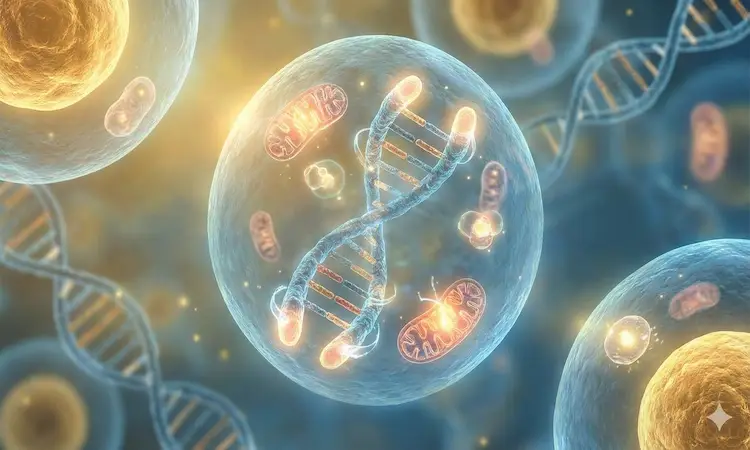
Aging isn’t just about years passing, it’s biology at work. The good news is you can slow parts of it by changing what drives wear and repair in your cells. This guide breaks down how to slow aging using clear biology, plus practical steps rooted in bio longevity habits you can stick with.
Epigenetics vs. Genetics: Why You Are Not Your DNA
Your genes are the set of instructions you inherit. They can raise your risk for certain traits and diseases, but they don’t run your life like a fixed script. Epigenetics explains why. It describes how your cells control Gene Expression, meaning which genes are turned up, turned down, or kept quiet. The DNA code stays the same, but the way it’s read can change.
One of the best-known epigenetic marks is DNA Methylation. Think of it as small chemical tags that sit on DNA and affect how easily a gene is used. Over time, methylation patterns can shift with age, stress, sleep, diet, exercise, alcohol use, and exposure to toxins. These changes don’t rewrite your DNA, but they can influence how your body handles inflammation, repairs damage, and manages blood sugar.
This is also why Biological Age can differ from your birthday. Two people can be 45 on the calendar, yet have bodies that act older or younger. Researchers study methylation patterns because they can reflect wear and tear across the body. It’s not magic, and it’s not destiny, but it helps explain why lifestyle and environment can leave a measurable mark.
A common pushback is that genetics still matters, and that’s true. Some conditions are strongly tied to inherited variants. Family history can’t be ignored. But even with higher risk, epigenetic control can shape how that risk shows up. For many complex problems like heart disease, type 2 diabetes, and depression, genes set a range, and daily inputs often influence where you land within it.
Epigenetics also doesn’t mean you can “hack” your way out of any illness. Biology has limits, and some changes may be hard to reverse. Still, the main takeaway stands. You’re not your DNA alone. You’re the ongoing result of your genes interacting with your life, day after day, cell by cell. DNA doesn’t lock in your future, your lifestyle can tip the scales; epigenetics shows how daily choices can shift gene expression and support bio longevity.
Inflammaging: The Silent Driver of Rapid Aging
Aging doesn’t only show up as gray hair or fine lines. For many people, a quieter process is running in the background: long-term, low-grade inflammation that slowly wears the body down. Researchers often call this “inflammaging,” and it’s linked to faster physical decline and a higher risk of chronic disease.
Inflammaging is different from the short burst of inflammation you get with a cut or a cold. That kind of response is useful and usually fades once healing starts. Inflammaging sticks around. It can simmer for years, nudging the immune system into an always-on state. Over time, that constant signal can damage tissues, disrupt hormone balance, and strain the heart, brain, joints, and blood vessels.
Several everyday factors can feed this cycle. Excess body fat, especially around the waist, releases inflammatory signals. Poor sleep can raise stress hormones and inflammatory markers. A diet heavy in ultra-processed foods can also keep the immune system activated, while low fiber intake may harm gut bacteria that help regulate inflammation. Chronic stress adds another layer, since stress chemicals can push the body toward a more inflammatory state.
Some people dismiss inflammaging as just another wellness buzzword. The idea, though, has strong scientific roots. Chronic inflammation is tied to conditions that become more common with age, including type 2 diabetes, atherosclerosis, and cognitive decline. The National Institute on Aging highlights inflammation as a key theme in age-related disease research: https://www.nia.nih.gov/health/inflammation-and-aging
The goal isn’t to erase inflammation, since it’s part of normal defense. It’s to lower the background noise. Small, steady habits tend to help most: regular movement, strength training a few days a week, consistent sleep, more whole foods (especially plants, fish, and olive oil), less added sugar, and better stress control. If you have ongoing pain, gum disease, or untreated sleep apnea, addressing those can matter more than any supplement. Once you understand inflammaging, it’s easier to spot the early signs that your immune system is starting to age.
Mitochondrial Density: The Real Source of Youthful Energy
Feeling energetic isn’t only about sleep, caffeine, or willpower. A big part of day-to-day stamina comes down to mitochondrial density, how many mitochondria your cells can put to work. Mitochondria are tiny power plants that turn food and oxygen into usable fuel. When you have more of them, and they run well, your body can make energy with less strain.
That energy shows up as ATP Production. ATP is the basic unit your muscles and organs spend every second. Higher mitochondrial density often means you can produce ATP faster, recover quicker after effort, and handle long days with fewer crashes. It also supports steady brain energy, which can affect focus and mood.
Mitochondrial Biogenesis is the process your body uses to build new mitochondria. It tends to rise when your cells get a clear signal that they need more power. Hard exercise is a classic trigger, especially aerobic training and short bursts of intense work. Consistent movement matters because mitochondria respond to repeated demand, not one heroic workout. Adequate protein, key micronutrients (like iron and B vitamins), and enough total calories also support the building process.
Some people argue energy is mostly about hormones, stress, or aging alone. Those factors matter, but they often change how mitochondria perform. Chronic stress, poor sleep, and long periods of inactivity can lower mitochondrial function and reduce Metabolic Efficiency, meaning you burn more resources to get the same output. The result is fatigue that feels “normal” but isn’t inevitable.
The goal isn’t endless stimulation. It’s a body that makes ATP smoothly, clears byproducts well, and keeps energy stable from morning to night. If higher mitochondrial density is what powers youthful energy, the next move is to boost it naturally.
Glycation and Skin: Why Sugar is the Primary Aging Toxin
Glycation is a chemical reaction between sugar and proteins or fats in your body. In the skin, it targets long-lived proteins such as collagen and elastin. When sugar binds to these fibers, it forms sticky compounds called advanced glycation end products (AGEs). Over time, AGEs build up and change how skin looks and behaves.
The most visible problem is Collagen Cross-linking. Collagen fibers are meant to slide and flex. Cross-linking ties them together like stiff knots in a rope. That stiffness makes fine lines look deeper and creases harder to smooth. It also slows repair after sun exposure, irritation, or breakouts, because damaged collagen doesn’t remodel as well when it’s bound up.
Glycation also drives Oxidative Stress. AGEs can trigger inflammation and increase free radical activity, which weakens the skin’s natural defenses. This isn’t just about wrinkles. Oxidative stress can worsen uneven tone, dullness, and a rough surface texture. It can also impair the barrier, so skin loses water faster and feels tight or easily irritated.
As glycation rises, Skin Elasticity drops. Elastin fibers lose their spring, and collagen loses its supportive structure. Skin can start to look less firm along the cheeks and jawline. Pores may appear more noticeable as the tissue around them loses strength. Under makeup, glycated skin often looks dry or crepey, even with heavy moisturizer.
Some people argue that sugar isn’t the main issue, since sun exposure ages skin faster. UV damage is real, but it works well with glycation, not against it. Sunlight increases free radicals, which can speed AGE formation, and glycated collagen is more vulnerable to UV-related breakdown. Others point out that genetics matter, and they do, but genetics can’t cancel out constant high sugar intake and frequent blood sugar spikes.
You don’t need to cut all sugar to reduce glycation pressure. Focus on steady blood sugar: build meals around protein, fiber, and healthy fats, and keep sweets as occasional, not daily. Choose lower-heat cooking methods more often (stewing, steaming), since browning and charring can increase dietary AGEs. Pair that with sunscreen, sleep, and a simple routine that supports the barrier. If you’re serious about skin aging, keeping sugar in check is a practical place to start. Most of sugar’s harm comes from glycation, a process where AGEs build up and make collagen stiffer and weaker, as explained in Glycation and Skin Aging: How AGEs Damage Collagen.
Autophagy Activation Without Extreme Starvation
Autophagy is your cells’ clean-up system. It breaks down worn proteins and damaged cell parts, then reuses the raw material. This supports Cellular Repair and helps cells run with less clutter. Many people link autophagy only to long fasts, but you can nudge it with milder habits.
Start with a sensible overnight fast. A 12 to 14-hour break from calories is enough for many adults. Finish dinner earlier, keep late snacks rare, and stick to water, plain tea, or black coffee. This approach respects energy needs while still giving cells quiet time to recycle.
Food choices matter, not just timing. Keep protein moderate at most meals, since constant high protein can keep the mTOR Pathway switched on. mTOR signals growth and building, which is useful, but nonstop growth leaves less room for clean-up. Build plates around vegetables, beans, berries, olive oil, and fiber-rich carbs. Add protein in portions that fit your body size and goals.
Exercise is another strong signal. Brisk walking, cycling, and strength training raise energy demand and can promote recycling inside muscle. Aim for regular sessions, not punishment workouts. Recovery sleep also supports this process, since poor sleep pushes stress hormones and appetite up.
Some people worry that “mild” steps won’t do anything. They may not match the surge from extended fasting, but they’re easier to repeat. Consistency often beats intensity, especially if long fasts trigger binges, headaches, or poor training.
Spacing meals during the day can help, too. Constant grazing keeps insulin and amino acids elevated. Try three solid meals, with a planned snack only if needed. Manage stress with short breaks, breathing, or time outdoors, since chronic stress can blunt recovery. If weight loss is a goal, aim for a small calorie deficit, not severe restriction, to protect mood and muscle.
It also helps to lower the burden of Senescent Cells, the older cells that don’t work well and can stir inflammation. You can’t erase them overnight, but exercise, weight control, and a plant-forward diet can reduce the signals that make them pile up.
If you take diabetes meds, have a history of eating disorders, are pregnant, or are underweight, skip fasting plans unless your clinician approves. For everyone else, keep it simple, track how you feel, and adjust slowly.
The Glymphatic System: How Your Brain “Cleans Itself” at Night
Your brain stays busy all day, and that work creates metabolic waste. When you fall asleep, a built-in cleaning network called the glymphatic system switches on to clear it out. It works like a rinse cycle, helping remove what builds up during waking hours.
The main mover in this process is cerebrospinal fluid (CSF), a clear liquid that cushions and protects the brain. During sleep, CSF flows through channels alongside blood vessels, guided by support cells called glia. As it moves through brain tissue, it blends with interstitial fluid, picks up waste, and pushes it out toward the bloodstream so your body can get rid of it.
Why deep sleep matters
This cleanup runs best during deep sleep. In that stage, brain cells shrink by as much as 60%, which opens more space for fluid to move. When you cut sleep short or sleep lightly, you reduce the time and room this system needs to do its job.
The beta-amyloid link
One of the most important substances cleared during sleep is beta-amyloid. This sticky protein builds up while you’re awake. Higher beta-amyloid levels are tied to memory problems, cognitive decline, and Alzheimer’s disease. Sleep isn’t a cure, but it’s one of your strongest defenses against this toxic buildup.
How to support brain detox during sleep
You can’t control the glymphatic system directly, but you can set up the right conditions for better brain waste clearance:
- Prioritize deep sleep: Treat snoring and sleep apnea as soon as possible, since breathing issues can disrupt the sleep cycles that support brain cleanup.
- Stop eating early: Late meals keep digestion active and may make deep, repair-focused sleep harder to reach.
- Keep your room cool: A cooler sleeping environment supports deeper sleep and steadier sleep cycles.
The Glymphatic System: How Your Brain Cleans Itself at Night, How to Activate Autophagy Without Extreme Fasting
Hormetic Stress: Using “Good Stress” to Build Resilience
Hormetic stress is a small, controlled challenge that nudges your body to adapt. When the dose is right, you bounce back stronger. When it’s too much, it turns into plain stress and can wear you down.
Your body answers mild stress with an Adaptive Response. Cells switch on repair and defense systems, clear damaged parts, and improve energy use. A well-known example is exercise. Short bouts of hard effort raise heart rate and create tiny muscle tears. With rest, you rebuild muscle and improve endurance.
Some hormetic stress comes from food. Bitter greens, berries, coffee, and spices contain plant chemicals that act as mild irritants. In response, the body boosts its own antioxidant enzymes. This doesn’t mean more supplements are better. Whole foods in normal portions give the signal without overwhelming digestion or turning meals into stress tests.
Heat and cold can work the same way. A sauna session raises core temperature and triggers Heat Shock Proteins, which help protect other proteins from breaking down. Cold exposure can sharpen alertness and may improve how you handle sudden stress. Start small, because a long, intense session can backfire and leave you drained.
Fasting, when done carefully, is another hormetic tool. Going without food for a set window pushes the body to use stored fuel and can support cell cleanup processes. It’s not for everyone, and it’s easy to turn a helpful practice into under-eating. If your sleep tanks, mood drops, or training suffers, the dose is too high.
Skeptics point out that “stress is stress,” and they’re right about one thing, context matters. People with chronic illness, eating disorders, heart issues, or pregnancy should get medical guidance before trying heat, cold, or fasting. Even healthy people can overdo it. More isn’t better.
To use hormetic stress well, keep the challenge brief and planned. Pair it with recovery, sleep, protein, and easy movement. Track simple signals like resting heart rate, soreness, appetite, and focus. If those slide for days, pull back.
Pick one method, start at the lowest effective dose, and add time or intensity slowly. Two to four short sessions a week is often plenty. The goal isn’t to punish your body. It’s to practice manageable discomfort, then let adaptation do the work. Hormetic Stress: How Small Doses of Stress Help the Body Get Stronger.
The Gut-Longevity Connection: Protecting Your Internal Barrier
Your gut does more than break down food. It also works as your body’s main filter between what you eat and your bloodstream. This barrier is only one cell layer thick. It’s covered by a mucus coating and backed up by immune cells. When it’s strong, it lets nutrients in and keeps harmful stuff out. When it breaks down, it can speed up whole-body aging.
The risk of a “leaky gut”
A big part of this barrier is made up of tight junctions, the tiny seals that hold gut cells together. Picture grout between bathroom tiles. When those seals loosen, intestinal permeability goes up. That means bits of bacteria, toxins, and other irritants can slip through and enter the blood.
Your immune system reacts fast. The problem is when this happens day after day. That constant immune alarm can lead to chronic inflammation, which can age tissues across the body, including the skin, joints, and brain.
Why gut bacteria matter
To help keep tight junctions closed, you need strong microbiome diversity. A mix of many bacterial species acts like a steady defense team. It helps crowd out harmful bugs and supports the gut lining so it stays firm.
How to feed and support the barrier
Food is one of the best tools for strengthening your gut wall. When helpful bacteria ferment dietary fiber, they make short-chain fatty acids, including butyrate. Butyrate is a key fuel source for gut cells. It helps them stay healthy, repair damage, and tighten up weak spots in the lining.
Protocol for gut strength
- Fiber variety: Don’t rely on one or two veggies. Aim for about 30 different plant foods per week to support microbiome diversity.
- Fermented foods: Kimchi, sauerkraut, and kefir can add support for your gut bacteria.
- Limit “gut strippers”: Alcohol and ultra-processed food additives, like some emulsifiers, can thin the mucus layer that protects the gut lining.
To see how gut barrier health connects to aging and long-term health, read How Gut Health Influences Longevity and Aging for a clearer look at the science and simple daily habits.
Cnclusion
Slowing aging comes down to daily biology, protect sleep, train for strength, eat for steady blood sugar, and keep stress from running your life. Track a few simple markers, like waist size, resting heart rate, and fasting glucose, and adjust as you go. If you want a clear next step, pick one habit to lock in for 14 days and write it down. Make consistency your strategy for bio longevity.

Gas S. is a health writer who covers metabolic health, longevity science, and functional physiology. He breaks down research into clear, usable takeaways for long-term health and recovery. His work focuses on how the body works, progress tracking, and changes you can stick with. Every article is reviewed independently for accuracy and readability.
- Medical Disclaimer: This content is for education only. It doesn’t diagnose, treat, or replace medical care from a licensed professional. Read our full Medical Disclaimer here.