

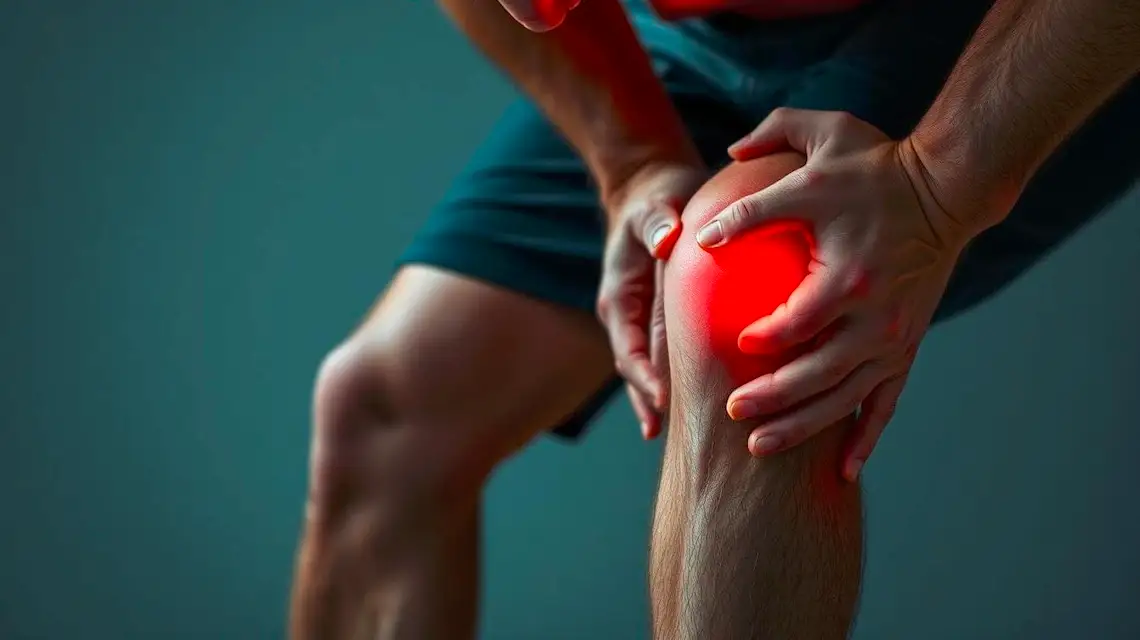
Keeping knees healthy is easier when you know what strains them, what protects them, and how small choices add up. This guide maps out 5 ways to avoid permanent knee damage types, using simple steps that fit daily life. You will see how weight, strength, movement form, footwear, and activity choices work together. The goal is steady progress, fewer flare-ups, and better joint longevity.
The sections below use short, clear pointers to make each step simple to follow. Skim the numbered headings, then dig into the parts that matter most to you.
1. Maintain a Healthy Weight
Explanation of weight’s impact on knees
Excess body weight increases force across the knee joint with each step. Over time, that extra load can speed up cartilage wear and stress the meniscus and ligaments. Less load means less pressure on joint surfaces, which supports smoother motion and less irritation.
Benefits of weight management
- Less knee stress during walking and stairs
- Lower baseline inflammation signals
- Better balance and movement control
- Easier joint nutrition through improved circulation
Practical tips for weight control
Many people find structure helpful. Common approaches include:
- Set a simple calorie balance plan, then adjust slowly.
- Focus meals on lean protein, fiber, and colorful produce.
- Use portions that fit your palm, plate, or bowl size.
- Keep snack foods out of sight, keep fruit or yogurt handy.
- Track meals a few days per week, then review patterns.
Monitoring progress
Track a few markers and look for trends, not perfection.
- Use weight, waist size, or how clothes fit.
- Note knee comfort during stairs or longer walks.
- [Chart placeholder: Weekly trend of steps and knee comfort rating]
- [Before and after photo placeholder: Optional, for personal reference]
Common mistakes to avoid
- Crash diets that slow metabolism and cause rebound gain
- All-or-nothing plans that trigger burnout
- Skipping protein, which can reduce muscle support around the knee
2. Strengthen Supporting Muscles
Role of muscles in knee support
Balanced strength in the quadriceps, hamstrings, glutes, and calves helps align the knee during motion. Weakness can shift load to a smaller area of cartilage or the meniscus, which increases wear and discomfort. Strong hips also keep the knee from collapsing inward during squats, stairs, and runs.
Recommended exercises
Try low-impact moves that build stability and control. Many people start with:
- Sit-to-stand from a chair, feet hip width, control the lowering.
- Wall sits, 20 to 45 seconds, knees in line with toes.
- Step-ups to a low box, smooth up and down, no knee collapse.
- Glute bridges, squeeze at the top, keep ribs down.
- Calf raises, slow up and down, add support if needed.
Beginners can shorten the range, reduce reps, or add support from a wall or rail.
Exercise frequency and duration
- Aim for 2 to 3 strength sessions per week.
- Leave at least one rest day between sessions for the same muscle group.
- Start with 1 to 2 sets per move, then build to 3 sets over time.
- Keep reps smooth, stop a set when form breaks.
Equipment needs
Minimal gear works well.
- Resistance bands, portable and low cost
- Light dumbbells or a weighted backpack
- A stable step or box
- A yoga mat for floor work
Signs of overdoing it
Watch your signals and adjust the next session if needed.
- Pain that sharpens or persists after 24 to 48 hours
- Swelling or warmth that was not there before
- Joint clicking with pain, not just harmless noise
- Limping or lost range of motion
Need a simple ways to ease discomfort in your knees? Try Ageless Knees
3. Use Proper Form During Activities
Importance of technique in daily movements
Good alignment spreads load across the joint. Poor form can twist or overload tissue, which adds up over time. In daily movements like walking, squatting, or lifting, small changes in knee and hip position matter.
Common activities to focus on
- Walking, aim for a smooth stride and steady cadence.
- Stairs, place the whole foot on the step, drive through the hip.
- Squats, keep knees tracking with toes, chest tall, heels grounded.
- Lifting, hinge at the hips, brace your core, keep load close.
- Running, pick a cadence that feels light, avoid overstriding.
Learning resources
- Free instructional apps that show form cues and basic drills
- Reputable video libraries on bodyweight training
- Public health sites with joint health sections
- Printed handouts from community fitness programs
Professional guidance options
Some people use short skill sessions for faster progress.
- A few visits with a trainer for form checks
- A movement screen with a physical therapist for past injuries
- Group classes that teach basics with close supervision
Self-assessment techniques
Use simple tools to check your form.
- Place a mirror to see your knees and hips during squats or step-ups.
- Record a short clip from the front and side.
- Watch for knee drift inward or foot collapse.
- Compare to your earlier clip, then make one change at a time.
4. Choose Supportive Footwear and Orthotics
How footwear affects knee alignment
Shoes influence how your feet contact the ground. Cushioning reduces impact peaks, and arch support limits foot collapse that can pull the knee inward. Good alignment lowers strain on cartilage and ligaments.
Selecting the right shoes
Look for features that match your activity and foot type.
- Fit, snug at the heel with room for toes
- Cushioning, enough for comfort without feeling unstable
- Support, stable midfoot if your arches tend to drop
- Activity match, walking, running, or court-specific designs
- Replacement signs, worn tread, tilted heels, compressed midsoles
Orthotics basics
Inserts can fine-tune support.
- Pros, improved alignment, reduced pressure hot spots, better comfort
- Cons, cost, break-in time, may require shoe volume
- Consider a professional fit if you have flat feet, bunions, or repeated overuse issues
Maintenance and replacement
- Let shoes dry fully between uses, avoid direct high heat
- Clean dirt from tread for better grip
- Check for creases or compressed foam that no longer rebounds
- Replace pairs that feel flat or unstable, even if the upper looks fine
Alternatives for high-risk users
When daily load is high, extra support may help in short periods.
- Soft knee sleeves for warmth and light feedback during activity
- Hinged braces for past ligament injuries during higher-risk moves
- Taping methods that cue alignment for short-term tasks
5. Incorporate Low-Impact Activities
Defining low-impact vs. high-impact
Low-impact activities keep at least one foot on the ground, or use water or wheels to reduce pounding. High-impact activities include jumping and hard landings that add sharp spikes of force at the knee. Mixing both types can work, many people lean toward low-impact for joint longevity.
Suggested activities
- Walking on varied terrain for steady conditioning
- Cycling, outdoor or stationary, adjust resistance for smooth spinning
- Swimming or water aerobics for full-body work with minimal load
- Elliptical sessions for cardio with guided motion
- Rowing for legs and back with knee-friendly flexion
- Yoga or Pilates styles that avoid deep loaded knee bends
Building a routine
A simple weekly structure grows results without spikes in strain.
- Pick 3 cardio days with low-impact choices.
- Add 2 strength days from section 2.
- Keep one full rest day, use light mobility if you like.
- Nudge time or intensity up every one to two weeks.
- Track how your knees feel after each change.
Combining with other ways
- Pair cardio with short strength circuits for the legs and hips.
- Use good form cues from section 3 during every activity.
- Rotate shoes based on the session, cycling shoes for the bike, cushioned trainers for walking.
- Adjust total volume if joint soreness climbs.
Tracking activity impact
Use simple notes.
- Date, activity, time, and surface
- Knee comfort during and 24 hours after
- Any changes in shoes or terrain
- [Log template placeholder: Columns for date, activity, duration, RPE, knee feel]
Types of Permanent Knee Damage, Integrated Context
Overview of common damage types
- Osteoarthritis, gradual cartilage wear with joint changes over time
- Meniscus tears, damage to the shock-absorbing cartilage pads
- Ligament injuries, such as ACL or PCL tears that alter stability
- Patellofemoral cartilage wear, damage behind the kneecap
- Post-traumatic changes, long-term effects after fractures or major sprains
Risk factors for each type
- Osteoarthritis
- Age and long-term joint load
- Prior knee injuries
- Family history
- Meniscus tears
- Twisting under load
- Deep squats with heavy weight
- Ligament injuries
- Sudden pivots, cuts, or awkward landings
- Weak hip control or poor landing mechanics
- Patellofemoral wear
- Muscle imbalances around the hip and knee
- Repetitive stairs or hills without adequate strength
Early warning signs
- Morning stiffness that eases with gentle movement
- Swelling after activity that repeats week after week
- Clicking with pain or catching during bends or twists
- Pain behind the kneecap during stairs or long sitting
- Giving way, buckling, or feeling unstable on turns
General Prevention Enhancements
Nutrition for joint health
Food choices can support a steady inflammation profile and muscle recovery.
- Fatty fish, walnuts, chia, flax for omega-3s
- Colorful fruits and vegetables for antioxidants
- Beans and lentils for fiber and plant protein
- Yogurt or fortified options for calcium and vitamin D
- Spices like ginger and turmeric in meals
Hydration’s role
Synovial fluid needs water to lubricate joints.
- Sip water through the day, not only during workouts
- Add a glass with each meal and snack
- Use an easy-carry bottle during commutes and walks
Rest and recovery practices
- Gentle mobility or stretching after warm showers
- Elevation and compression if you notice mild swelling
- Short icing sessions after higher-load days if soreness lingers
- Sleep routines that help your body rebuild tissue
Ergonomic adjustments at home and work
- Set chair height so knees bend near 90 degrees with feet flat.
- Keep hips and knees level when sitting for long periods.
- Use a footrest if your feet dangle at your desk.
- Break up sitting with brief walks and calf pumps.
- Store heavy items at waist height to reduce deep knee bends.
Conclusion
Knee health builds from consistent habits, not one-time fixes. These 5 ways to avoid permanent knee damage types work best as a team, weight management to ease load, strength to guide motion, form to spread forces, footwear to align, and low-impact activity for steady conditioning. Layer in smart nutrition, hydration, and recovery, then watch your progress notes for patterns.
Keep the plan simple, adjust gradually, and focus on how your knees feel across weeks. Small, steady changes protect the joint structures that carry you every day.
Related post:
- Workouts for People with Knee Pain
- Exercises For Rheumatoid Arthritis In Knees
- How Do You Fix Knee Pain At An Older Age?
5 Ways to Avoid Permanent Knee Damage Types FAQ:
What are the main types of permanent knee damage I should know about?
Common types include osteoarthritis, meniscus tears, ligament tears (like ACL), cartilage loss, and chronic tendinopathy. These can lead to pain, swelling, weakness, or joint instability. Some need surgery, many can be managed or prevented with smart habits.
How does strength training protect my knees long term?
Strong muscles reduce joint load and improve alignment. Focus on quads, hamstrings, glutes, and calves. Add hip work too, like clamshells and lateral band walks. Use a mix of squats, deadlifts, step-ups, and hamstring bridges. Train 2 to 3 days per week, leave a rest day between sessions, and progress weight slowly.
What form fixes help prevent meniscus and ligament injuries?
Keep knees tracking over the second or third toe during squats and lunges. Avoid knee cave, called valgus. Land softly with bent knees when jumping. For runners, a slightly higher cadence, about 5 to 10 percent, can reduce knee load. If your knees dive inward, strengthen hips and practice single-leg control.
How much should I increase activity to avoid overuse injuries?
Follow the 10 percent rule for weekly volume or intensity. Do not add distance, speed, hills, and plyometrics in the same week. Rotate hard and easy days. If pain lasts more than 24 hours after a session, scale back. Sudden spikes lead to tendon and cartilage stress.
Does body weight affect knee wear and tear?
Yes. Every extra pound adds several pounds of force across the knee when you walk. Even modest fat loss reduces pain and slows osteoarthritis. Pair balanced nutrition with strength and low-impact cardio, like cycling or swimming.
Which shoes help protect knees?
Choose shoes that match your foot shape and activity. Runners may benefit from a slight heel drop if they have tight calves. Replace shoes every 300 to 500 miles. Avoid long periods in high heels. For court or field sports, use activity-specific shoes with good lateral support.
Do braces or sleeves prevent damage?
A compression sleeve can help with comfort and swelling. Functional braces can help after ligament injury, or during return to sport. They do not replace strength or technique. Use them as a tool, not a crutch, and get fit guidance if you have instability.
What warm-up should I do before workouts to protect my knees?
Use 5 to 10 minutes of light cardio, then dynamic moves. Try leg swings, walking lunges, hip circles, and ankle mobility. Add a few rehearsal sets of your main exercise. Save long static stretches for after training, or keep them brief before lifting.
Which moves are safest if my knees are sensitive?
Try cycling, elliptical, swimming, sled pushes, and step-ups to a low box. Use partial range squats at first, then deepen as comfort allows. Prioritize single-leg stability drills, like split squats and single-leg RDLs, to improve control without heavy loads.
How do I protect my knees during daily life?
Do not sit for hours without moving. Change positions often. When lifting, keep loads close to your body. Take stairs with your whole foot on the step and use the handrail if needed. Avoid deep, twisting pivots while bearing weight.
Can nutrition support knee health?
Eat enough protein to support muscle repair. Include omega-3 sources, like salmon or walnuts, for joint-friendly fats. Get calcium and vitamin D for bone health. Hydrate well, since cartilage needs fluid. Supplements like glucosamine have mixed evidence, so focus on diet first.
When should I stop and see a clinician?
Get checked if you feel a pop with swelling, if your knee locks or gives way, if pain wakes you at night, or if swelling lasts more than 48 hours. Early care can prevent small issues from becoming permanent damage.
Are there red flags during exercise that mean I should modify?
Sharp, localized pain, buckling, or catching are warnings. Pain that changes your form is also a sign. Reduce load, shorten range, or switch to a low-impact option. If symptoms persist, seek an evaluation.
What surface should I train or run on to reduce knee stress?
Choose even, forgiving surfaces. Rubber tracks, trails without camber, or turf are better than slanted roads or concrete. Vary your routes to avoid the same side slope every run. Indoors, use mats for plyometrics.
How do balance and mobility work help my knees?
Better ankle and hip mobility improves knee tracking. Balance drills reduce risky missteps. Add calf stretches, ankle dorsiflexion work, hip flexor and glute stretches, and single-leg balance with reach. Two or three short sessions per week make a difference.
What are the 5 most effective habits to avoid permanent knee damage?
- Build strength in quads, hamstrings, glutes, and calves, 2 to 3 times per week.
- Use clean movement mechanics, knees over toes, soft landings, single-leg control.
- Progress training gradually, follow the 10 percent rule, rotate hard and easy days.
- Maintain a healthy body weight and choose joint-friendly cardio.
- Warm up well, wear activity-appropriate shoes, and address pain early.

Gas S. is a health writer who covers metabolic health, longevity science, and functional physiology. He breaks down research into clear, usable takeaways for long-term health and recovery. His work focuses on how the body works, progress tracking, and changes you can stick with. Every article is reviewed independently for accuracy and readability.
- Medical Disclaimer: This content is for education only. It doesn’t diagnose, treat, or replace medical care from a licensed professional. Read our full Medical Disclaimer here.