

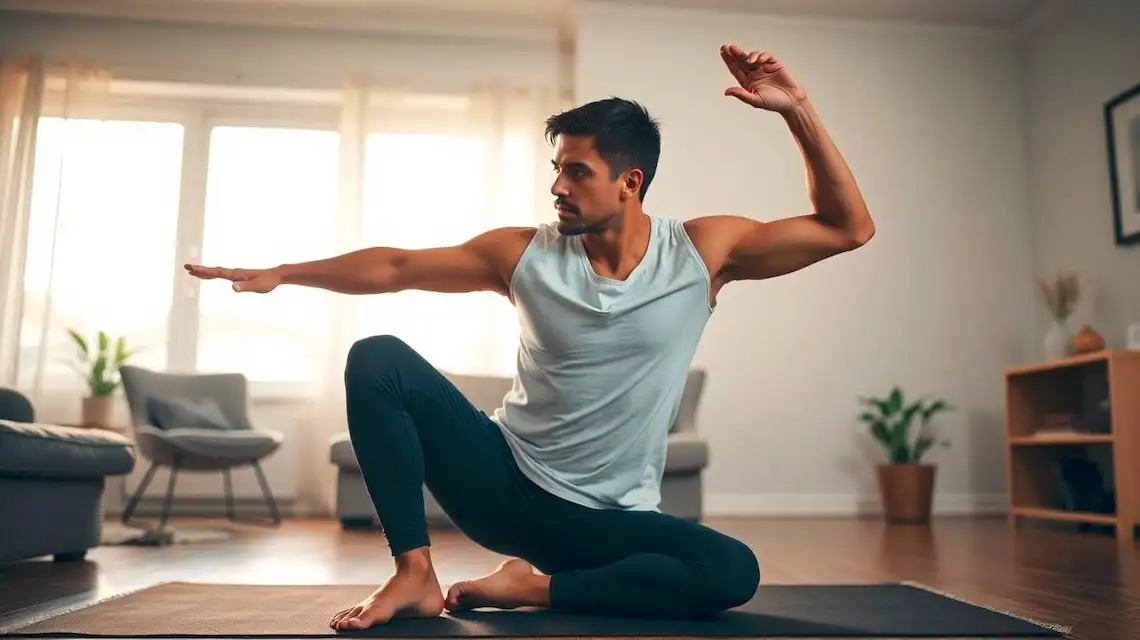
Looking taller is often about how you carry your body. These 10 stretching exercises to increase height focus on mobility, flexibility, and posture, so your spine and hips sit in better alignment. The result is a longer, more confident silhouette and a body that moves with ease.
Understanding Height and Stretching
Height depends on genetics, bone growth plates, nutrition, and overall health. After puberty, bone length does not change, but you can still gain visual height by improving posture, easing tight muscles, and training your core to support a neutral spine. Better posture reduces slouching, which can trim a surprising amount from your standing height.
Common myths:
- Stretching does not lengthen bones after growth plates close.
- One workout will not make you permanently taller.
- Hanging is not a miracle method, it offers short-term spinal decompression only.
- Only back stretches matter is false, the hips, hamstrings, chest, and core are just as important.
- More intensity is not better, consistency and control work best.
Who can benefit:
- Teens, gentle mobility and posture training supports healthy movement as you grow.
- Adults, desk workers and active folks both improve spinal alignment with regular stretching.
- Anyone with rounded shoulders or tight hips, daily mobility practice can restore a taller stance.
For more on posture training that supports a taller appearance, see Healthline’s guide to posture exercises, which explains how strengthening and stretching improve alignment: 12 Exercises to Improve Your Posture.
Preparation Before Starting
Warm up for 5 to 10 minutes to increase circulation and reduce stiffness:
- March in place or walk briskly.
- Do arm circles, shoulder rolls, and gentle torso twists.
- Practice ankle circles and light hip hinges.
Equipment needed:
- Yoga mat or carpeted floor.
- A wall, a door frame, or a stable chair.
- Pull-up bar or sturdy overhead surface for hangs, optional.
Safety tips:
- Move through a comfortable range, no sharp pain.
- Breathe steadily, avoid holding your breath.
- Keep movements slow and controlled.
General Benefits of These Exercises
Posture improvement:
- Mobility and core control help stack the head over the ribcage and pelvis.
- A neutral spine reduces slouching, so you appear taller and more balanced.
Flexibility gains:
- Longer, more responsive muscles in the back line, hips, and chest allow upright posture.
- Increased joint range makes daily movement easier and more natural.
Overall health perks:
- Better circulation from rhythmic movement.
- Less back and neck tension.
- Lower stress and deeper breathing.
For a helpful overview of how stretching and strength work together to support posture, this physical therapy primer covers practical moves and body awareness: Posture Perfect: Effective Exercises and Stretches to Stand Tall.
How to Incorporate into Routine
Frequency:
- Practice daily or 3 to 5 times per week for 20 to 30 minutes.
Progression:
- Start with shorter holds, then add time as control improves.
- Focus on smooth breathing and clean form before increasing intensity.
Tracking progress:
- Take weekly side-profile photos in the same spot.
- Note how your shoulders, ribcage, and pelvis stack over your feet.
- Track comfort in standing and walking, plus any reduction in stiffness.
1. Cobra Stretch
Description: A gentle backbend that opens the chest and front body, with a focus on length across the abdominals and mobility through the spine.
Step-by-step:
- Lie face down, legs long, tops of feet on the floor.
- Place hands under shoulders, elbows close to ribs.
- Press lightly into hands, lift chest, and draw shoulders down.
- Keep hips grounded, lengthen through the crown of your head.
- Lower slowly with control.
Hold time and reps:
- 20 to 30 seconds, 3 reps.
Height benefits:
- Encourages spinal decompression and counters rounded posture.
Common mistakes:
- Straining the neck or shrugging shoulders, keep the gaze soft and shoulders low.
- Clenching glutes hard, keep them lightly engaged instead of gripping.
- Forcing the lower back, distribute the curve along the whole spine.
Variations:
- Low Cobra with minimal arm push if you are stiff.
- Place a folded towel under ribs for support.
Take a Step Towards Wellness: Incorporate Stretching into Your Daily Routine
2. Cat-Cow Pose
Description: A flowing spinal mobilizer that alternates flexion and extension, improving fluidity along the entire back.
Step-by-step:
- Start on hands and knees, wrists under shoulders, knees under hips.
- Inhale into Cow, arch back gently, lift chest, draw shoulders back.
- Exhale into Cat, round back, press floor away, tuck chin.
- Continue with smooth, even breaths.
Hold time and reps:
- 5 to 10 breaths per cycle, 5 to 10 cycles.
Height benefits:
- Enhances spinal flexibility and positions the vertebrae for better alignment.
Common mistakes:
- Rushing the movement, match the tempo to your breath.
- Dumping weight into wrists, spread fingers and engage the core.
- Overarching the lower back, keep the ribs knitted in.
Variations:
- Seated or chair Cat-Cow if kneeling is uncomfortable.
3. Forward Bend
Description: A hinge at the hips that lengthens hamstrings and the back line, reducing posterior chain tightness that pulls you down.
Step-by-step:
- Stand with feet hip width, knees soft.
- Hinge at hips, fold forward, reach toward the floor or shins.
- Relax head and neck, breathe into the back ribs.
- Roll up slowly, vertebra by vertebra.
Hold time and reps:
- 20 to 30 seconds, 3 reps.
Height benefits:
- Frees hamstrings and decompresses the spine, creating space for a taller stance.
Common mistakes:
- Locking knees, keep a micro-bend.
- Rounding from the upper back only, hinge at the hips first.
- Yanking on the toes, let gravity assist instead.
Variations:
- Wall-supported hinge with hips back and hands on the wall.
4. Child’s Pose
Description: A restorative pose that lengthens the back, hips, and lats while encouraging deep, calm breathing.
Step-by-step:
- Kneel, sit back on heels, knees together or wide.
- Fold forward, arms long in front, forehead on mat.
- Soften shoulders and jaw, breathe into the sides of your ribcage.
Hold time and reps:
- 30 to 60 seconds, 3 to 5 reps.
Height benefits:
- Releases lower back tension and teaches a neutral spine that stands taller.
Common mistakes:
- Hunching shoulders, slide them away from ears.
- Holding the breath, keep it slow and steady.
- Forcing hips to heels, use a cushion if needed.
Variations:
- Wide-knee Child’s Pose for more hip room.
5. Downward Dog
Description: An inverted V shape that stretches calves, hamstrings, back, and shoulders, while building light upper body strength.
Step-by-step:
- From hands and knees, tuck toes and lift hips up and back.
- Press hands evenly, lengthen through arms and spine.
- Keep knees soft if hamstrings are tight, aim for a long back first.
Hold time and reps:
- 20 to 30 seconds, 3 reps.
Height benefits:
- Decompresses the spine and trains the core to support length.
Common mistakes:
- Rounding the back, think hips high and chest toward thighs.
- Locking knees, keep a small bend.
- Collapsing into shoulders, press the floor away.
Variations:
- Pedal the feet to target calves and hamstrings.
6. Cobra to Upward Dog Transition
Description: A flowing chest opener that progresses from Cobra into a more active Upward Dog, training strength and mobility together.
Step-by-step:
- Begin in Cobra, chest lifted, shoulders down.
- Press into hands, lift thighs and knees, move into Upward Dog.
- Keep shoulders stacked over wrists, chest open, legs active.
- Lower with control back to the mat, reset.
Hold time and reps:
- 15 to 20 seconds in each shape, 4 reps.
Height benefits:
- Opens the front body that often tightens from sitting, which helps counter slouching.
Common mistakes:
- Hyperextending elbows, keep a gentle bend as needed.
- Shrugging shoulders toward ears, pull them down and back.
- Sinking into the lower back, engage core and legs.
Variations:
- Sphinx on forearms if wrists or lower back are sensitive.
7. Seated Spinal Twist
Description: A rotational stretch that improves spinal mobility and balances right and left sides.
Step-by-step:
- Sit tall with legs extended.
- Bend the right knee, place the foot outside the left thigh.
- Lengthen the spine, then twist to the right, left elbow outside the right knee.
- Repeat on the other side.
Hold time and reps:
- 20 to 30 seconds per side, 2 to 3 reps.
Height benefits:
- Promotes even posture by restoring rotation and segmental movement.
Common mistakes:
- Forcing the twist, lengthen first, rotate second.
- Holding the breath, keep it smooth.
- Rounding the lower back, sit on a folded towel if needed.
Variations:
- Supine twist on your back for a gentler option.
8. Wall Stretch
Description: A chest and shoulder opener that unties forward shoulders from long hours of sitting.
Step-by-step:
- Face a wall, place hands at shoulder height.
- Step back, hinge at hips, keep back flat, arms long.
- Sink chest toward the floor while keeping ribs drawn in.
Hold time and reps:
- 20 to 30 seconds, 3 reps.
Height benefits:
- Corrects rounded shoulders, giving a taller, open-chest posture.
Common mistakes:
- Arching the lower back, maintain light core engagement.
- Overreaching with locked elbows, keep soft joints and even pressure.
- Letting head drop, keep the neck long.
Variations:
- Doorway pec stretch, forearm vertical on the frame.
9. Leg Hangs
Description: A passive hang that gently unloads the spine. This offers short-term decompression and teaches shoulder stability.
Step-by-step:
- Grip a pull-up bar with hands shoulder width.
- Engage shoulders slightly, then let legs hang relaxed.
- Keep ribs stacked over pelvis, breathe steadily.
- Step down with control.
Hold time and reps:
- 10 to 20 seconds, 3 to 5 reps.
Height benefits:
- Temporary spinal elongation and relief from compressive forces.
Common mistakes:
- Swinging the body, maintain a quiet hang.
- Shrugging into ears, pack the shoulders slightly.
- Holding the breath, exhale slowly.
Variations:
- Assisted hang with toes on the floor or a box.
10. Pilates Roll-Up
Description: A core control move that articulates the spine and improves segmental mobility.
Step-by-step:
- Lie on your back, legs long, arms overhead.
- Inhale to prepare, exhale and roll up one vertebra at a time.
- Reach toward toes without yanking, then roll down slowly with control.
Hold time and reps:
- Pause 5 to 10 seconds at the top, 5 reps.
Height benefits:
- Stronger abs support neutral posture, which makes you look taller.
Common mistakes:
- Using momentum, slow down and move with breath.
- Heels lifting, anchor them lightly.
- Shoulders creeping up, keep them relaxed.
Variations:
- Bend knees or loop a strap around feet for assistance.
Post-Exercise Cool-Down
Gentle stretches:
- Neck side bends and slow half circles.
- Figure-4 stretch for hips.
- Chest opener with fingers interlaced behind back.
- Calf stretch against the wall.
Hydration and recovery:
- Sip water and take a few minutes of easy breathing while lying on your back with knees bent.
- Note how your posture feels when you stand up.
Measuring Results
Methods:
- Weekly photos from the side and front in the same lighting.
- Wall posture self-check with head, shoulders, and glutes touching.
- Note changes in comfort during walking, standing, and sitting.
Timeline:
- Early posture changes often show in 4 to 6 weeks with steady practice.
A simple visual guide to stretching routines can help you stay consistent. See this step-based overview for ideas you can adapt: 5 Ways to Get Taller by Stretching.
Nutrition Tie-Ins
Supportive foods:
- Protein sources for muscle repair, poultry, fish, legumes, tofu.
- Calcium and vitamin D for bone health, dairy, fortified alternatives, fatty fish.
- Magnesium and potassium for muscle function, leafy greens, bananas, beans.
- Hydration for tissue elasticity, water and mineral-rich fluids.
Common Challenges and Solutions
- Tight hamstrings: Bend your knees during forward folds, gradually straighten as mobility improves.
- Wrist discomfort: Use fists or forearms in weight-bearing positions.
- Limited time: Do a short circuit, Cat-Cow, Forward Bend, Wall Stretch, Child’s Pose.
- Inconsistency: Anchor practice to a daily habit, like after brushing teeth.
- Stiff lower back: Emphasize hip mobility and hamstring length first.
Expert Tips
- From a yoga perspective, let breath set the tempo, smoother breathing leads to better range.
- From a Pilates perspective, move from your center, a strong core supports a longer spine.
- From a mobility perspective, quality beats quantity, a few precise reps change posture faster than many rushed ones.
Conclusion
These 10 stretching exercises to increase height target the real drivers of a taller look, clean posture, mobile hips, supple hamstrings, and an active core. Practice them consistently, breathe with control, and track how your stance changes over the coming weeks. A long spine and open chest do not just look taller, they feel better in daily life.
Related post:
- How many times a day should you do stretching exercises?
- Health Benefits Of Regular Physical Activity
- How Do You Do Yoga At Home Properly
- How To Correct Bow Legs In Adults
FAQs: 10 Stretching Exercises to Increase Height
Can stretching actually increase my height?
Stretching does not change your bone length after your growth plates close. It improves posture and spinal alignment, which can make you look taller. You may gain a small, temporary boost from spinal decompression, especially after sleep.
Which 10 stretches help me look taller?
Good options include: hanging from a bar, cobra stretch, cat-cow, child’s pose, downward dog, hip flexor stretch, hamstring stretch, spinal twist, pelvic tilt or bridge, and doorway chest stretch. These target the spine, hips, and shoulders to improve posture.
How often should I do these stretches?
Aim for 5 to 6 days per week. Spend 10 to 20 minutes per session. Consistency matters more than intensity.
Will these stretches make me taller if I’m still growing?
They do not change your genetic height. They can help you stand straighter, reduce muscle tightness, and support healthy movement. Teens may reach their natural potential better with good sleep, protein, calcium, vitamin D, and regular activity.
How long do results last?
Posture benefits can last all day if you also sit and stand well. Spinal decompression is temporary, and height can drop slightly by evening. Keep stretching to maintain posture gains.
When is the best time to stretch for height benefits?
Morning helps reinforce tall posture after sleep. Evening helps undo daily stiffness. Pick the time you can stick with, or do short sessions both times.
How long should I hold each stretch?
Hold static stretches for 20 to 30 seconds, 2 to 4 rounds. Move slowly and breathe. For dynamic moves like cat-cow, do 8 to 12 controlled reps.
Do I need equipment?
No equipment is required for most stretches. A pull-up bar for hanging and a mat for comfort help. A yoga strap or towel can assist tight hamstrings.
Can I overdo it?
Yes. Sharp pain, numbness, or joint pain is a red flag. Ease off if you feel pinching or tingling. Keep your neck neutral, avoid bouncing, and progress gradually.
Are these stretches safe if I have back pain or scoliosis?
Many people benefit from gentle mobility, but some conditions need tailored guidance. If you have disc issues, recent injury, or scoliosis, talk with a clinician or physical therapist before starting.
How can I tell if my posture is improving?
Take front and side photos weekly, wear the same shoes, and stand relaxed. Track shoulder level, head position, and pelvic tilt. You can also measure your morning and evening height to see daily changes.
What else should I do besides stretching?
Strengthen your core, glutes, upper back, and deep neck flexors. Sit with feet flat, keep screens at eye level, and stand up every 30 to 60 minutes. Sleep 7 to 9 hours and eat enough protein and calcium.
How soon will I notice a difference?
Posture can feel better in days. Visible changes often show in 2 to 6 weeks with steady practice. Long-term habits keep the gains.
Can posture exercises replace medical treatments for short stature?
No. Stretching and posture work do not replace medical care. If you suspect delayed growth, hormonal issues, or bone problems, see a healthcare professional.

Gas S. is a health writer who covers metabolic health, longevity science, and functional physiology. He breaks down research into clear, usable takeaways for long-term health and recovery. His work focuses on how the body works, progress tracking, and changes you can stick with. Every article is reviewed independently for accuracy and readability.
- Medical Disclaimer: This content is for education only. It doesn’t diagnose, treat, or replace medical care from a licensed professional. Read our full Medical Disclaimer here.