

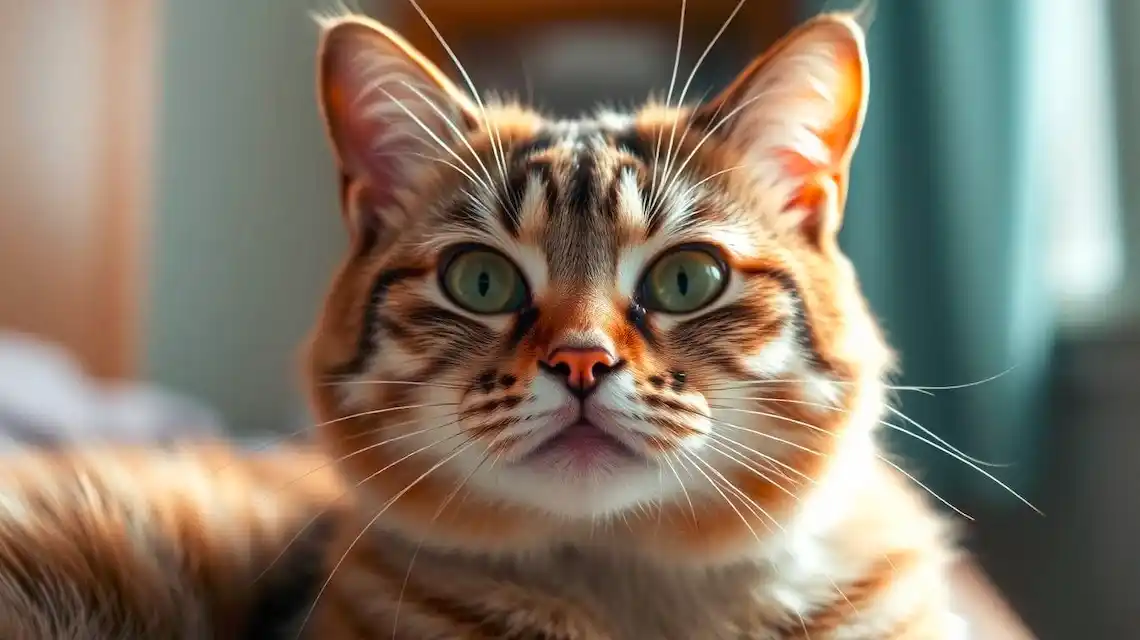
Building trust with a cat takes time, patience, and consistency. When it clicks, you start seeing small, steady signals that say, you are safe, I feel good with you. This guide breaks down 10 signs your cat really does trust yourself, with plain descriptions and everyday examples that help you read your cat’s body language and behavior with confidence. The goal is simple, spot the cues, understand what they mean, and appreciate the bond you share.
1) Your Cat Sleeps Near or On You
Sleep is when a cat is most vulnerable. If your cat naps near you, or piles onto your lap or chest, it shows a clear sense of safety. Many cats choose places that let them relax while keeping you in sight. The closer they settle, the more secure they feel.
Trust shows here because cats pick rest spots with care. When they use your body heat and heartbeat as background comfort, they are placing faith in you. Some cats prefer your bed at night, others curl up for short sofa naps near your legs. Each version points to comfort.
Common sleeping spots and what they can mean:
- On your chest, strong bond and comfort with your scent and heartbeat
- At your feet, relaxed but still wanting space
- Beside your head on the pillow, strong attachment and routine comfort
- Curled on your lap during TV, trust in a calm, shared moment
Some cats sleep alone by choice. Aloof sleeping is not a sign of distrust, it can be about temperature, texture, or noise. Watch for patterns over time, not a single night.
2) Your Cat Shows Its Belly
Belly exposure is a classic trust signal. A cat might flop on its side, roll onto its back, and stretch with paws up. Sometimes it looks like an open invite. Sometimes it is a relaxed pose during sunbathing or floor lounging.
This indicates trust because the belly protects vital organs. Exposing it says, I do not feel threatened here. It can appear during play or between nap cycles, and it often pairs with loose muscles and soft eyes.
Belly show scenarios:
- Playful roll with side kicks, a buoyant mood and comfort
- Slow stretch with paws curled, pure relaxation
- Partial belly flash while twisting, content and curious
Watch for added cues during belly shows, like gentle purrs, slow blinks, or a softly swaying tail tip. These add to the trust picture. Not all belly shows are an ask for touch. The pose itself is the message.
3) Slow Blinking at You
The slow blink is a warm, social cue, often called a cat kiss. It looks like a steady eye close that takes about one to two seconds, followed by a calm reopening. The face stays soft. The body stays loose.
This means trust because a hard stare can feel tense to a cat. The slow blink, instead, signals calm and safety. It says, I am at ease with you. You might see it during a quiet afternoon, at the end of a meal, or when your cat is perched and watching you move.
Common slow blink contexts:
- While lounging on a windowsill
- During a calm evening on the sofa
- After a meal, during quiet grooming
- During gentle, familiar routines
Faster blinks, darting looks, or head turns away can signal less comfort. The slow blink stands out because it looks unhurried and sure.
Learn to Understand Your Cat: Try The Cat Language Bible
4) Your Cat Grooms You
Licking, gentle nibbling, or pawing at your hair or skin falls under social grooming. Cats do this with family members they accept. It can show up during cuddles, after greeting rituals, or when a cat is curled into your arm or neck.
Grooming signals trust because it merges scents and marks you as part of the group. A cat that licks your hand after you pet them is finishing a shared ritual. You clean me, I clean you, we are good.
Typical grooming moments:
- A few licks on your hand after petting
- Nose and whisker touches near your cheek
- Light nibbles at your sleeve or hair during a cuddle
- Occasional sandpaper kisses after play
If grooming gets intense or frequent, it can sometimes relate to stress or itch issues. Context matters. Most of the time, light grooming is a sweet, steady sign of closeness.
5) Following You Around the House
Shadowing you from room to room says a lot. Your cat might trail behind, pause at doorways, or sit under the table during work time. Some cats add small chirps or meows to keep in touch.
This often reflects trust because cats choose to be near those who make them feel safe. It is not always about food. Many cats follow during daily routines, then settle nearby once they know where you are.
Common following patterns:
- Tailgating during morning routines, like coffee or bathroom prep
- Escorting you to bed, then hopping to a favorite spot
- Sitting outside the shower or bathroom, curious and calm
- Looping the hallway or stairs with you during evening wind down
If the behavior happens only before meals, hunger might drive it. When it shows up at random times, especially after eating, it points more to comfort and social interest.
6) Rubbing Against Your Legs
Cats rub to exchange scent. You will see cheek bumps, body swipes, and tail wraps as greeting or claim behavior. This does not mean control, it means shared smell and familiarity.
Rubbing signals trust because your cat is comfortable mixing scents with you. It says, you are part of my space. Short, brisk rubs can mean excited greetings. Long, full-body rubs suggest soft affection.
Rub variations:
- Quick shin bump with a cheek swipe, happy hello
- Full-body pass with tail wrap, deep comfort
- Figure-eight weaving through legs, social excitement
- Double bump on ankles and knees, you smell like home
Frequency tends to grow as trust grows. A cat that starts with rare rubs may move to daily greetings once the bond feels solid.
7) Purring While in Your Presence
Purring is a low, rhythmic sound you can often feel as well as hear. Many cats purr during petting or when they settle near you. It can mean pleasure, but context is key.
In a calm setting, a steady purr shows contentment and trust. When paired with relaxed posture, slow blinks, and soft paws, it is a strong green light. The cat feels safe enough to rest and vibrate into comfort.
Common purring contexts:
- At your side during a nap
- On your lap during a show or book
- After a meal while loafing on a blanket
- During light chin or cheek strokes
Not all purrs are equal. Differences you might notice:
- Soft, steady purr in calm scenes, content trust
- Louder, urgent purr when seeking attention, social cue with energy
- Purr with tense body or wide eyes, self-soothing and not pure comfort
When the body is loose and the eyes are soft, the purr is about trust.
8) Kneading with Paws
Kneading is the rhythmic press of paws, often with claws peeking out. It comes from kitten nursing behavior. Many adult cats knead when they feel safe and cozy.
This signals trust because kneading carries early-life comfort. Your cat treats your lap, blanket, or chest as a warm, secure spot. You may notice far-off eyes, drooling, or a slow purr along with it.
Where kneading shows up:
- On a fleecy blanket next to you
- Right on your lap before settling
- On a favorite pillow near your shoulder
- On soft clothing when you sit still
If claws make contact, a thick blanket helps protect skin. Over weeks or months, increased kneading can reflect a deepening bond and a strong habit of comfort near you.
9) Eating Comfortably in Your Presence
Many cats orefer to eat without stress or sudden movement. When a cat eats near you without tension, or keeps eating while you move in the room, that points to trust. Some cats even glance up at you, then return to the bowl with ease.
This behavior matters because in the wild, eating can make animals wary. A relaxed meal says your presence lowers the guard, not raises it. Over time, you may see your cat stroll to the bowl, tail level or softly up, and start crunching with calm focus.
Mealtime trust behaviors:
- Steady chewing with no freeze or flinch
- Calm glances in your direction, then back to food
- Light purring or soft tail sways between bites
- Willingness to drink water near you after eating
Hesitant eaters can warm up as routines become predictable. The shift from quick grabs to slow, complete meals near you is a strong trust sign.
10) Bringing You “Gifts” Like Toys or Prey
Gift giving looks like dropping a toy mouse, sock, or even caught insect at your feet. Some cats make a proud chirp. Others parade the item and place it in a doorway or on the bed.
This indicates trust because sharing is social currency for cats. It can be a teaching move or a show of value. You are in the inner circle, so you get the prize.
Common gift types:
- Plush toys from a favorite stash
- Crinkly balls carried room to room
- Socks taken from a laundry pile
- Insects discovered inside, rare but possible
A warm, calm response keeps the social bond smooth. For indoor cats with strong hunt drive, toys that satisfy chasing and pouncing can help redirect that urge in a safe way.
Putting It All Together: Reading the Whole Picture
Trust shows up as a pattern, not a single moment. One cat might never show its belly, but follows you, slow blinks often, and kneads every night. Another cat might sleep apart but rubs your legs, grooms your hand, and eats calmly at your side. The mix is unique, and it shifts with age, health, and routine.
For search clarity and for anyone scanning for key phrases, the theme here is simple: if you are seeing several of these 10 signs your cat really does trust yourself, your bond is in a good place. Keep noticing the small behaviors, since cats communicate with quiet, steady signals more than big gestures.
Conclusion
Cats speak through comfort, routine, and small choices. Sleeping near you, showing the belly, slow blinking, grooming, following, rubbing, purring, kneading, eating calmly, and gifting toys all add up to a clear message. You are safe. You are part of the family.
Every cat writes its own trust story. Look for patterns, match them with context, and appreciate the signals you see each day. When these signs show up across your week, you can feel sure your cat trusts you, feels at ease with you, and enjoys life by your side.
Related post: How Important Is Rabies Vaccine for Cats?
10 Signs Your Cat Really Does Trust Yourself: FAQ
What does a slow blink from my cat mean?
A slow blink signals calm and trust. Your cat feels safe around you. Try blinking slowly back, it can deepen your bond.
Why does my cat show me its belly?
An exposed belly shows your cat feels secure. It is a vulnerable spot. It does not always mean an invite to pet. Offer a gentle chin or chest rub instead, watch their body language.
Is sleeping on me a sign of trust?
Yes. Cats sleep where they feel safe. If your cat naps on you or near you, it trusts your warmth, scent, and predictability.
Why does my cat knead me with its paws?
Kneading shows comfort, not dominance. It often comes from kitten behavior linked to nursing. Provide a blanket to protect your skin, let them knead if they seem relaxed.
What does head bunting or cheek rubbing mean?
Bunting and cheek rubs mark you with friendly scent. It is social bonding. Your cat claims you as safe and familiar.
Why does my cat follow me from room to room?
Shadowing you shows attachment and interest in your routine. Your cat wants proximity, not constant attention. Talk softly, offer a perch nearby.
Are purrs and soft trills a sign of trust?
Often, yes. Purring with loose muscles, half-closed eyes, and normal breathing means ease. Trills and chirps are friendly greetings. Watch for context, pain purrs come with tense bodies.
What does a relaxed tail and posture look like?
Look for a gently upright tail with a soft curve at the tip, ears forward or neutral, slow blinks, and loose whiskers. The body looks loose, not crouched. This signals trust and comfort.
Why does my cat groom me or my hair?
Allogrooming is social care. Licking your skin or hair means you are part of the group. It is a strong trust sign. Redirect if it becomes rough; offer a grooming brush.
Why does my cat bring me toys or prey?
Gifts show social sharing and attention to you. It is not about training you to hunt. Praise calmly, then store toys or dispose of prey safely.
 Dog Trick Training for Beginners
  Gingivitis Cats Symptoms Every Pet Parent Should Know
  How to Make Dog Cookies at Home
  Wet Food or Dry Food for Cats?
  What Is the Healthiest Hamster Breed for Your Home?
  Cat Food Intolerance Symptoms: How To Spot Them Early